


Morning Meal Magic
Mornings often present a challenge, tempting us to bypass breakfast or opt for something convenient yet nutritionally lacking. This is where the brilliance
of make-ahead meals shines, offering a harmonious blend of ease and robust health. For those who appreciate the distinct flavor of matcha, envision transforming your daily cup into a luscious, nutrient-dense pudding. This innovative approach not only streamlines your morning routine but also serves as an exceptional gut-friendly and liver-supporting breakfast, ensuring sustained energy and satisfaction throughout your day. It’s a creative way to integrate beneficial ingredients into your diet without sacrificing precious time.
Gastroenterologist's Choice
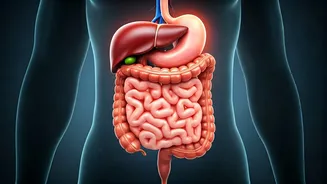
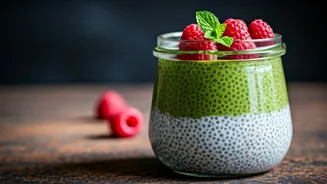
Dr. Joseph Salhab, a practicing gastroenterologist based in Florida and a prominent health communicator focused on digestive, liver, pancreatic, and nutritional health, has put forth a remarkably wholesome recipe for matcha chia seed pudding. This delightful creation is specifically formulated to be rich in antioxidants, an excellent source of fiber, and replete with nutrients that promote gut health, all with the primary aim of bolstering liver function. In a recent Instagram demonstration on April 12, Dr. Salhab articulated the recipe's appeal, stating, “If you cherish your liver, you absolutely must try this matcha chia pudding. It masterfully combines the potent benefits of green tea with the exceptional qualities of chia seeds, crafting the ultimate breakfast for liver wellness. It’s an uncomplicated, gut-friendly meal or snack, delivering essential fiber, beneficial healthy fats, and a gentle caffeine lift from the matcha.”
Crafting the Pudding
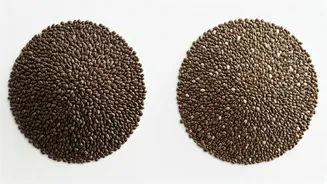
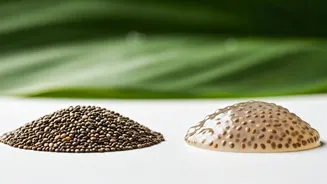
To create this nourishing treat, begin with 6 tablespoons of chia seeds in a suitable bowl. Next, meticulously sift your ceremonial matcha powder to ensure a smooth consistency, completely free of any lumps. In a separate vessel, gently whisk the sifted matcha with a small amount of warm water or your preferred non-dairy milk until it forms a smooth, homogenous paste. This vibrant green mixture should then be poured over the chia seeds. Stir this combination thoroughly, allowing the chia seeds to commence their absorption of the liquid. Following this, introduce 3 tablespoons of maple syrup for sweetness and 1 teaspoon of vanilla extract for aroma and depth of flavor, stirring again to ensure these elements are evenly distributed. Transfer this chia seed mixture into a glass container, creating distinct layers by adding 1/4 cup of Greek or non-dairy yogurt. Allow the mixture to rest for approximately five minutes, enabling the chia seeds to begin swelling and thickening slightly before refrigeration. Finally, cover the container securely and refrigerate overnight. This crucial resting period allows the pudding to fully set, developing its characteristic creamy texture and ensuring the chia seeds have absorbed all the liquid, resulting in a thick, satisfying, and beneficial breakfast ready for enjoyment.
Antioxidant Powerhouses
Matcha, derived from finely ground green tea leaves, is a nutritional powerhouse brimming with antioxidants. These compounds play a crucial role in safeguarding your body's cells from damage caused by free radicals and are instrumental in reducing inflammation. Beyond its antioxidant properties, matcha provides a steady release of caffeine, offering a sustained energy boost. Research indicates that matcha actively supports liver health by mitigating oxidative stress and inflammation, thereby contributing to the prevention of liver diseases and potentially lowering elevated liver enzyme levels. Specifically, its rich concentration of catechin antioxidants, most notably EGCG (epigallocatechin gallate), is adept at combating non-alcoholic fatty liver disease (NAFLD) by enhancing lipid metabolism and curbing the excessive accumulation of fat within the liver. Complementing matcha, chia seeds also contribute significantly to liver well-being. Studies suggest they can help reduce fat deposits, combat inflammation, and assist in weight management, largely owing to their substantial fiber, omega-3 fatty acid, and antioxidant content. Consuming approximately 25 grams of milled chia seeds daily has been shown in certain studies to be beneficial in managing NAFLD by improving how the liver processes fats and diminishing liver fat levels.