





The Flash-Heating Method
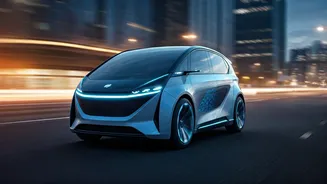
Scientists at Rice University have unveiled a groundbreaking method for recycling lithium-ion batteries, commonly found in electric vehicles. This innovative
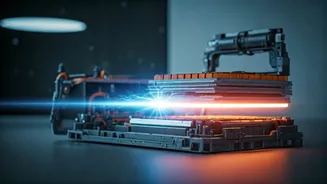
process involves subjecting spent batteries to extremely high temperatures, over 4,040 degrees Fahrenheit, for mere seconds. This rapid thermal treatment, dubbed flash-heating, dramatically alters the battery's internal structure. Notably, it transforms the valuable cobalt-based cathodes into magnetic materials, a crucial development for efficient separation. The research indicates that this technique could bypass the need for hazardous chemical solvents and energy-intensive processes traditionally used in battery recycling. By simplifying and accelerating the recovery of essential battery components, this method offers a more sustainable and environmentally friendly approach to managing the growing volume of EV waste.
Recovering Precious Metals
The core achievement of this flash-heating technique lies in its remarkable efficiency at reclaiming valuable battery metals. The study reports that an impressive 98% of these costly materials can be recovered. This high recovery rate is largely due to the magnetic properties imparted to the cobalt-based cathodes after the rapid heating process. This magnetic characteristic makes them significantly easier to isolate from other battery components. Furthermore, the researchers highlight that this method effectively reduces metal impurities while crucially preserving the structural integrity and functionality of the recovered materials. This means the reclaimed metals are not only abundant but also suitable for reuse, potentially lowering manufacturing costs and reducing the reliance on new mining operations for these vital resources.
Sustainable EV Future
The implications of this recycling breakthrough for the electric vehicle industry are substantial. Lithium-ion batteries, while powering cleaner transportation compared to traditional gasoline cars, rely on expensive and challenging-to-mine metals. Efficiently recovering and reusing these metals can directly translate into lower battery costs, making EVs more accessible. The U.S. government's commitment of $62 million to battery recycling projects underscores the perceived importance of this field. With industry projections estimating the battery sector to grow by 30% annually through 2030, reaching a value of $3 trillion, effective recycling becomes paramount. This Rice University initiative, by providing recycled materials at a minimal cost and through an eco-friendlier process, could significantly support the continued expansion of the EV market, ensuring a more sustainable path forward.