




Pre-Roast Before Boiling
Kickstart the dal-cooking process with a simple pre-roasting step. Before boiling, gently roast the dal. This technique not only speeds up the cooking time
but also introduces a delightful depth of flavor. In a pan, lightly toast the dal until it emits a fragrant aroma, before using it to cook. This crucial first step helps the lentils cook faster by opening up their structure and allowing them to absorb water more efficiently during boiling. This method is particularly effective for larger dals, ensuring quicker softening. This step is a flavor booster and time-saver.
Use Smaller Dals
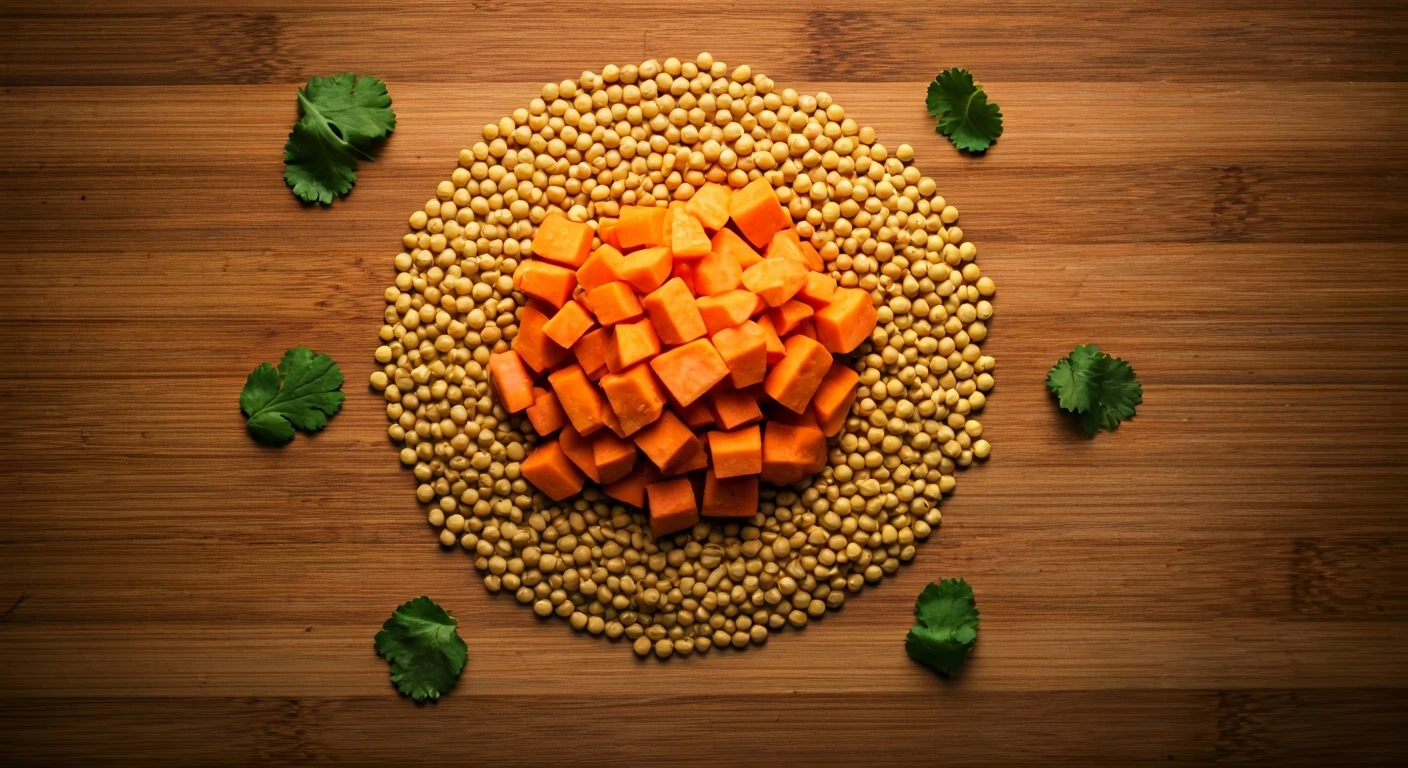
Selecting the right type of dal can significantly cut down cooking time. Opting for smaller varieties is a simple yet effective trick. Smaller dals, such as masoor dal (red lentils) and moong dal (split green gram), naturally cook faster compared to larger varieties like chana dal (split chickpeas) or urad dal (black lentils). The smaller size means less time is needed for the lentil to absorb water and soften. This approach is perfect for those busy days when you crave a quick, satisfying meal. This simple swap will shave precious minutes off your cooking time and get your dal to the table faster.
Blend Halfway Through
For a creamier texture and faster cooking, consider blending the dal halfway through the cooking process. After simmering for about half the estimated cooking time, use an immersion blender or a regular blender (carefully) to lightly blend a portion of the dal. This technique breaks down some of the lentils, thickening the base and speeding up the overall cooking time. Be cautious not to over-blend; a slightly textured consistency is the goal. This approach enhances the overall mouthfeel while accelerating the cooking process. This is particularly useful for dishes where a smooth, velvety texture is desired.
Add Salt Strategically
The timing of adding salt can also influence the dal's cooking speed. It’s best to add salt during the later stages of cooking. Adding salt too early can sometimes toughen the lentils, slowing down the softening process. Instead, incorporate the salt towards the end of cooking or once the dal has already begun to soften. This method ensures that the dal cooks at a quicker pace while retaining its tender texture. This also helps in seasoning the dal more evenly and preventing it from becoming overly firm, contributing to a better overall taste and consistency.
Tomato Addition Timing
The addition of tomatoes during dal preparation has a crucial impact on the cook time. To cook dal faster, add the tomatoes later in the cooking process. Tomatoes contain acids, which can sometimes slow down the cooking of lentils if added too early. By adding them after the dal has softened, you ensure the lentils cook quickly. This approach will result in a faster cooking time, while still allowing the tomatoes to impart their rich flavor and tang. Adjusting the tomato timing is a simple hack that ensures your dal is ready quickly.
Use Baking Soda Lightly
A pinch of baking soda can surprisingly accelerate the dal cooking process. Just a tiny amount, typically around ¼ teaspoon per cup of dal, can help soften the lentils faster. Baking soda creates an alkaline environment that aids in breaking down the lentils' structure, thereby shortening the cooking time. However, it's essential to use it sparingly, as too much baking soda can impact the flavor. This smart addition can be a secret weapon for faster dal, but moderation is key to preserving the desired taste and texture. It is a useful method that combines ease and efficiency for busy cooks.