


What Is Skin Flooding?
Imagine your skin is like a parched sponge; applying a thick cream directly to it is like dabbing lotion on a dry sponge – it just sits on top. The skin flooding
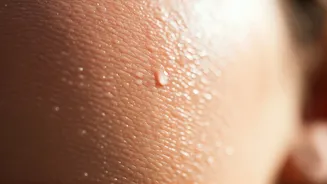
technique, however, mimics what happens when you first dampen that sponge. It becomes receptive and absorbs moisture deeply. At its core, skin flooding is about saturating your skin with water-based humectants while it's still damp from cleansing, allowing it to draw in significant hydration. This process essentially makes your skin porous and ready to absorb maximum moisture. Once your skin is thoroughly hydrated from this initial step, the next crucial phase involves sealing all that beneficial water in with a richer, emollient-based moisturizer. This strategic layering ensures that the hydration penetrates effectively and remains locked in, preventing it from evaporating throughout the day. The brilliance of this viral method lies in its simplicity and effectiveness, utilizing products you likely already own to achieve a profound level of skin nourishment and a coveted dewy appearance.
The Four-Step Glow-Up
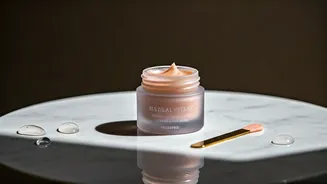
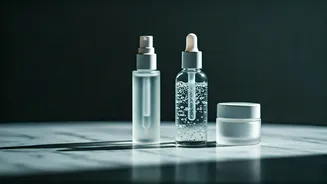
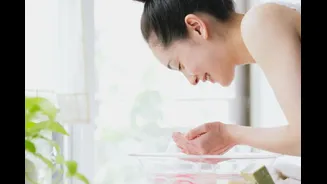
Mastering the skin flooding routine is remarkably straightforward, primarily relying on the textural differences of your existing skincare products. The fundamental principle is to always progress from the thinnest, most liquid formulas to the thickest and creamiest. Begin by performing a gentle cleanse, ensuring you use a non-stripping cleanser that effectively removes impurities without compromising your skin's natural moisture barrier. Following this, the absolute key is to retain moisture; avoid drying your face completely with a towel. Instead, either leave your skin noticeably damp or, if you prefer to towel dry, liberally spritz your face with a hydrating mist or a water-based essence to re-establish that essential dampness. While your skin is still wet, immediately apply a lightweight, water-based serum rich in humectant ingredients like hyaluronic acid and glycerin, which act as magnets, drawing moisture into the skin's deeper layers. The final, indispensable step is to seal in all this newly absorbed hydration. This is achieved by applying a more substantial emollient or occlusive moisturizer. Opt for creams formulated with ingredients such as ceramides, squalane, or shea butter. These create an invisible protective shield on your skin's surface, effectively preventing trans-epidermal water loss and keeping your complexion plump and hydrated for hours.
Benefits and Suitability
The immense popularity of skin flooding stems from its ability to deliver immediate and sustained relief from dryness, resulting in a complexion that appears naturally radiant and feels wonderfully plump. Beyond its aesthetic appeal, this technique significantly bolsters a compromised skin barrier. A stronger barrier means a reduction in redness, less inflammation, and overall diminished skin sensitivity. By plumping the skin with sheer hydration, fine lines become less noticeable, contributing to a smoother, more refined skin texture. This transformation also creates an ideal canvas for makeup application, allowing foundation and other products to glide on effortlessly without clinging to dry patches. While this hydration-focused approach seems universally beneficial, individual skin types require careful consideration. It is a true game-changer for dry or dehydrated skin, particularly during colder months when environmental factors exacerbate moisture loss, leading to flakiness and dullness. Those with sensitive skin will also find this gentle, hydration-centric routine incredibly soothing. However, individuals with oily or acne-prone skin must exercise caution. Layering multiple hydrating products and finishing with a thick occlusive cream can potentially trap excess sebum, sweat, and bacteria, leading to clogged pores and breakouts. For such skin types, it's advisable to substitute heavy sealing creams with lighter, oil-free, and non-comedogenic gel moisturizers to achieve the desired glow without the risk of congestion.