





Resourceful Rod Cooking
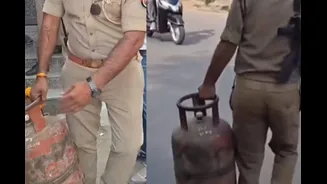
The escalating scarcity of Liquefied Petroleum Gas (LPG) across India is prompting households to devise unconventional methods for preparing meals. A recent
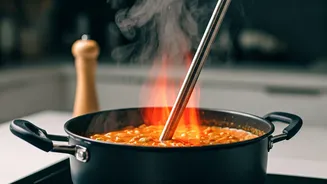
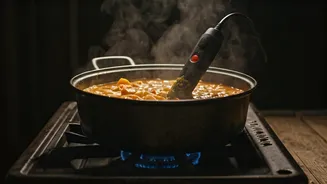
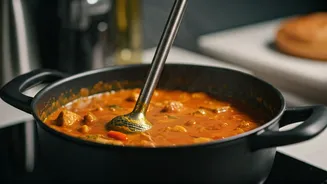
viral video vividly illustrates the lengths to which individuals are going to manage daily cooking. Shared on Instagram, the clip captures a man in his kitchen, seemingly unfazed by the lack of gas. Instead of conventional cooking methods, he introduces an immersion rod directly into a pot of curry simmering on the stove, accompanied by the text "Gas gone, heat rod on." The accompanying caption, a single word, "Technologia," hints at the innovative, albeit unusual, approach to the problem. Immersion rods, typically designed for heating water for bathing or cleaning, are not intended for direct food preparation. However, the prevailing necessity seems to be driving culinary experimentation, pushing the boundaries of standard kitchen practices and highlighting the ingenuity born out of challenging circumstances.
Social Media Frenzy
As expected, the unconventional cooking technique quickly ignited a lively debate across social media platforms, eliciting a spectrum of reactions from amusement to serious concern. Users chimed in with lighthearted quips, with one person humorously remarking, "Minto ka kaam ghanto mai," a Hindi idiom implying completing work in minutes that usually takes hours. However, the amusement was tempered by practical warnings. Several users pointed out the potential health hazards, with one commenter cautioning, "Immersion rods are designed for heating water for bathing or cleaning, not for direct food preparation. This can cause severe stomach infections." Another user added a more direct admonition: "Don’t eat food cooked in this style; this heater leaves residue after using for a while, so think before you act and always cook food on gas or with our primary Indian style by burning wood." On a lighter note, some users reminisced about simpler times, with one comment suggesting, "People before the induction stove was invented," drawing parallels to pre-modern kitchen technologies.
Household Adaptations
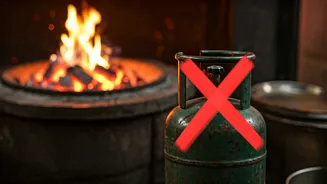
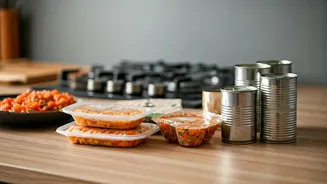
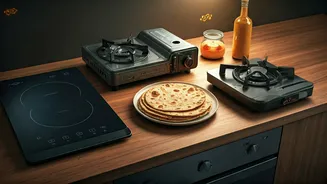
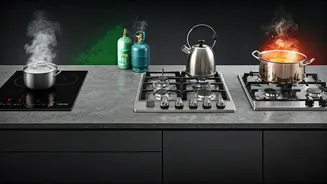
This widely shared video offers a small window into the broader adaptive strategies being employed by Indian households grappling with the ongoing LPG deficit. Faced with dwindling gas cylinder supplies, families are exploring and reverting to a variety of alternative cooking solutions. These include the traditional use of wood-fired stoves, often found in rural or semi-urban areas, which provide a reliable heat source independent of gas cylinders. Furthermore, an increasing reliance is placed on electric appliances, such as induction cooktops, electric kettles, and other powered heating devices that can serve as substitutes for gas. For those seeking even simpler solutions, the trend also encompasses the preparation of 'no-cook' meals, which require minimal or no heat application, thereby conserving fuel entirely and reducing the overall reliance on traditional cooking methods.
Shifting Meal Habits
Beyond merely changing the tools used for cooking, the pervasive LPG shortage is also influencing the very nature of meals being prepared and consumed. Families are actively prioritizing dishes that demand less cooking time and energy expenditure. This strategic selection of recipes aims to maximize the efficiency of available fuel resources. Even everyday beverages are subject to adaptation; for instance, traditional hot tea is sometimes replaced with quicker alternatives like hot lemon water, which requires less time to prepare and uses less fuel. This shift reflects a conscious effort by households to conserve energy and adapt their dietary habits in response to the prevailing scarcity, demonstrating a broader societal adjustment to a challenging resource situation.