


The Dosa's Dramatic Hue
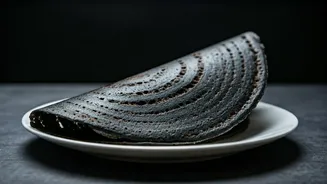
A unique culinary creation has emerged from Yello Cafe in Nagpur, presenting a familiar dish – the dosa – in an entirely unexpected colour. This jet-black
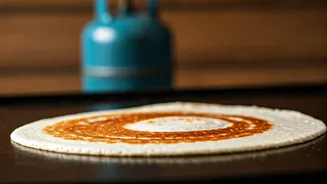
rendition has captivated and divided social media users. The preparation itself adheres to traditional methods; the batter is expertly spread on a hot griddle, sizzles as it cooks, and is eventually filled with the classic aloo masala. It's then folded and served with the customary accompaniments of sambar and coconut chutney. However, the deep black colour transforms the entire visual experience, moving away from the comforting golden-brown of a typical dosa and presenting a dramatic, almost experimental aesthetic that immediately grabs attention in the digital space. This stark visual departure is the primary reason for its viral spread, prompting widespread discussion and curiosity about its origins and composition. The cafe itself highlighted this dish, promoting it as a crispy, uniquely presented South Indian experience available during morning hours, encouraging adventurous eaters to try it.
Online Reactions Emerge
The unveiling of the black dosa online has predictably ignited a flurry of reactions, particularly from ardent fans of traditional South Indian cuisine. Many purists have voiced their displeasure, viewing the dark colour as a departure that compromises the authenticity of the beloved dish. Comments expressed sentiments like 'South Indian food ko kharab karne wale log' (people spoiling South Indian food) and pleas to 'Please don’t spoil the original food,' reflecting a deep-seated reverence for culinary heritage. Beyond the criticism, a segment of the online community expressed genuine curiosity, with questions arising about the ingredients used to achieve the black colour, such as 'Koyla mix kiya hai kya usme?' (Have you mixed charcoal in it?). This curiosity highlights the dual nature of viral food trends: they can elicit strong negative reactions from traditionalists while simultaneously piquing the interest of those open to novelty. The divided opinions even led to dramatic declarations like 'Justice for dosa,' showcasing the emotional connection people have with their food.
The Viral Food Trend Phenomenon
This incident with the black dosa is a prime example of how quickly food trends can capture the public imagination and spark debate in the digital age. Social media platforms have become breeding grounds for culinary experimentation, where the more unusual a dish appears, the faster it tends to go viral. This often stems from shocking ingredients, unconventional preparation methods, or striking visual elements like colour. The Nagpur cafe's creation perfectly embodies this phenomenon, using a familiar food item and altering a key visual characteristic to generate buzz. While some may criticize or dismiss these trends, their power lies in their ability to generate conversation and keep food relevant in the public consciousness. Ultimately, the black dosa, regardless of one's personal taste, has succeeded in its primary goal: to be noticed, discussed, and remembered, demonstrating the powerful influence of visual appeal and novelty in contemporary food culture. The fundamental question it leaves us with is the ongoing tension between tradition and innovation in the culinary world.