






The Foundation
Crafting an exceptional pot of chili begins with a solid foundation, and that starts with selecting the finest ingredients. For a classic chili, a good
quality ground meat, such as beef, is paramount. Opt for a blend with a moderate fat content, typically around 80/20, as this contributes significantly to the richness and depth of flavor during the simmering process. Consider browning the meat thoroughly in a large, heavy-bottomed pot or Dutch oven to develop a beautiful crust, which adds a wonderful savory note. Don't rush this step; allow the meat to caramelize. Once browned, drain off any excess fat, leaving just enough to sauté your aromatic vegetables. This initial browning is a crucial technique that elevates your chili from ordinary to extraordinary, laying the groundwork for the complex flavors to come. Ensuring your meat is cooked properly from the outset prevents a greasy texture and allows other ingredients to meld seamlessly.
Aromatic Building Blocks
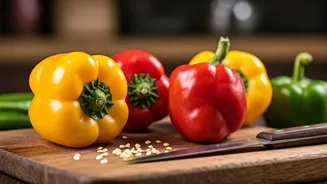
The soul of any great chili lies in its aromatic base, a medley of finely diced vegetables that form the flavor bedrock. Onions, garlic, and bell peppers are indispensable components that, when sautéed until tender and fragrant, impart sweetness and a subtle peppery bite. Start by gently cooking the onions and peppers in the residual fat from the browned meat until they are softened and translucent. This process, known as sweating the vegetables, draws out their natural sugars and creates a more mellow, integrated flavor profile. Following this, introduce minced garlic and cook for just another minute until aromatic, being careful not to burn it, as burnt garlic can introduce a bitter taste. Some chili enthusiasts also incorporate celery or even a touch of jalapeño for an added layer of complexity and a gentle warmth. These foundational aromatics are what transform simple ingredients into a symphony of taste.
Spices and Seasonings
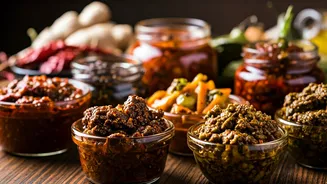
The distinctive character of chili is defined by its expertly balanced spice blend. A robust chili powder forms the primary flavor, but its effectiveness is amplified by a thoughtful combination of other spices. Cumin is absolutely essential, lending its earthy, smoky essence that is synonymous with chili. Smoked paprika adds another layer of smokiness and a beautiful reddish hue. For a touch of heat and complexity, consider incorporating cayenne pepper, adjusting the amount to your preferred spice level. A pinch of oregano can provide a subtle herbaceous note, while a bit of cocoa powder or dark chocolate, in moderation, can deepen the flavor and add a surprising richness without making the chili taste like chocolate. Toasting these dry spices briefly in the pot before adding liquids can unlock their full aromatic potential, releasing their volatile oils and intensifying their flavors. This mindful approach to seasoning is key to achieving that craveable, authentic chili taste.
The Hearty Fillers
Beyond the meat and aromatics, the texture and substance of your chili are determined by its core components. Tomatoes, whether crushed, diced, or puréed, provide the essential liquid base and a vibrant tanginess that balances the richness of the meat and spices. The type of tomato used can influence the final consistency; crushed tomatoes offer a rustic texture, while puréed tomatoes create a smoother sauce. Beans are a classic addition for many chili recipes, with kidney beans and black beans being popular choices. They contribute protein, fiber, and a pleasing chewiness. If using canned beans, be sure to rinse them thoroughly to remove excess sodium and starch, which can sometimes affect the final flavor and clarity of the chili. The careful selection and integration of these hearty fillers contribute to the overall satisfaction and appeal of the dish.
Simmering to Perfection
The true magic of homemade chili happens during the simmering process, where all the individual flavors meld and deepen into a cohesive, delicious whole. Once all the ingredients have been combined, bring the chili to a gentle simmer over medium-low heat. Cover the pot, leaving the lid slightly ajar to allow steam to escape and the chili to thicken. The longer the chili simmers, the more pronounced the flavors will become, and the meat and beans will soften to a tender perfection. A minimum simmer time of at least one to two hours is recommended, but many chili aficionados will let theirs bubble away for three or even four hours, or even longer on the stovetop or in a slow cooker, for the most intense flavor development. Stir the chili occasionally to prevent sticking and ensure even cooking. This patient, low-and-slow cooking method is crucial for developing the rich, complex taste that defines truly outstanding homemade chili.