





Tangy Raw Mango Delights
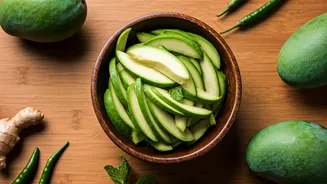
Unripe mangoes are a treasure trove for vibrant condiments. Transforming green mangoes into a zesty chutney involves grating the fruit and then pounding
it with a medley of green chilies, fresh ginger, salt, and a touch of jaggery or sugar for sweetness. A hint of roasted cumin and black salt adds depth, often finished with a fragrant tempering of mustard seeds and curry leaves. For a more robust flavor that ages beautifully, raw mango is chopped and marinated in pungent mustard oil alongside salt and a robust spice mix, including fenugreek seeds, mustard powder, turmeric, and chili powder. This mixture is then left to mature under the sun, developing into a delightful pickle. Both the chutney and the pickle are exceptional accompaniments that elevate simple meals, adding a delightful burst of sweet, sour, and spicy notes, and can be preserved for weeks to be enjoyed throughout the year.
Cooling Mango Beverages
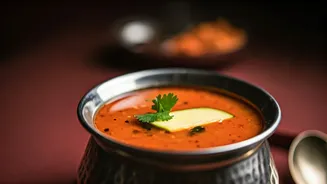
The mango's juice is expertly harnessed to create refreshing summer drinks. Aam panna, a beloved Indian cooler, is prepared by boiling the pulp of green mangoes, straining it, and then sweetening it with jaggery. Aromatic spices like roasted cumin and black salt, along with invigorating mint leaves, are added for a complex flavor profile. Served chilled with ice, it’s the ultimate thirst quencher. In contrast, aam rasam offers a more savory experience. This dish incorporates ripe mango flesh into a peppery, tamarind-infused rasam base enriched with lentils. The result is a light, tangy soup that not only delights the palate but also aids digestion, showcasing the fruit’s dual capacity for both sweet and savory applications and ensuring no part of the pulp goes to waste.
Innovative Peel Preparations
The often-discarded mango peel finds a second life in inventive Indian dishes. For a savory side, the peels are first boiled until tender and then sautéed with a blend of spices. This typically includes cumin seeds, asafoetida for an umami depth, vibrant red chili powder, and turmeric for color and health benefits. A touch of amchur (dried mango powder) enhances the tartness, creating a unique textural curry. Alternatively, the boiled and finely chopped peels can be incorporated into a cooling raita. Mixed with smooth yogurt, seasoned with black salt and roasted cumin powder, and a hint of sugar for balance, this raita is often garnished with grated cucumber or carrot. This fiber-rich preparation offers a refreshing contrast to spicy meals, demonstrating an ingenious way to minimize food waste while adding unique flavors.
Utilizing the Fibrous Pit
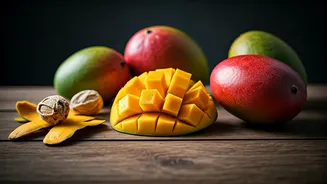
Even the fibrous flesh clinging to the mango pit is not overlooked in traditional Indian cooking. This resilient pulp is often transformed into delectable regional curries, such as the Gujarati specialty Paaki keri na gotla nu shaak. This dish features the pit residue simmered with a delightful balance of spices, sweet jaggery, and tangy tamarind, creating a unique sweet-and-sour profile. Beyond curries, the concentrated juices extracted from the pit can be reduced to form a rich, tangy base for sauces or chutneys. This adds a subtle yet distinct mango essence to dishes like dal or rice, a testament to the Indian philosophy of utilizing every possible part of this cherished fruit.
Mango-Infused Drinks & Desserts
The sweet, ripe flesh of the mango is a natural star in a plethora of desserts and beverages. It's commonly blended into creamy lassis, rich kulfi, and smooth milkshakes, often enhanced with the warm fragrance of cardamom and the golden hue of saffron. For a more experimental approach, the peels and pits can be simmered with sugar and water to create a subtly colored, mango-infused simple syrup. This versatile syrup can then be drizzled over custards and jellies, mixed into sodas for a fruity twist, or used to sweeten various beverages, further extending the mango's delicious contribution beyond its succulent flesh.