

Embrace the 'Paani' Way
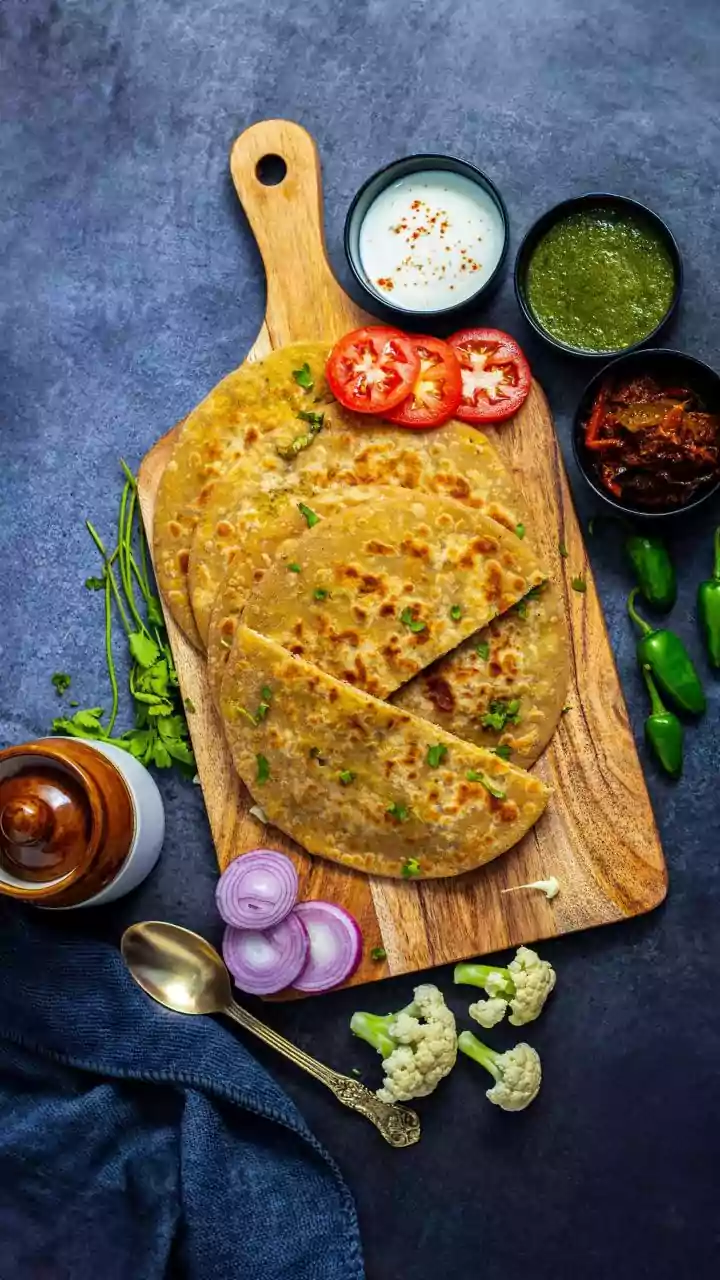
The 'paani wale paranthe' method represents a significant departure from traditional cooking practices, particularly for dishes like paranthas. Typically,
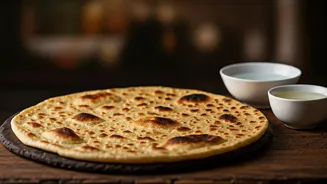
these flatbreads are generously coated with oil or ghee during the cooking process to achieve their characteristic crispness and flavor. However, this innovative approach replaces these fats with water, creating a tandoor-style cooking experience. This results in a much healthier version of the beloved parantha, significantly reducing the fat content without sacrificing taste. The method involves brushing the paranthas with water instead of oil while cooking them. This simple yet effective change is the key to creating a lighter, equally satisfying meal.
Flavor and Health Benefits
The primary advantage of 'paani wale paranthe' is the health benefit they provide. By eliminating the need for oil or ghee, the overall fat content of the paranthas is drastically reduced. This is particularly appealing for those mindful of their calorie intake or seeking to adopt a healthier diet. Despite the absence of oil, these paranthas don't compromise on taste. The water-based cooking technique, often compared to the tandoor method, imparts a unique flavor profile to the paranthas. The result is a lighter, yet equally satisfying flatbread with a slightly different texture compared to the oil-laden versions. This opens up a world of culinary possibilities for those seeking a healthier take on a classic Indian staple.
Tandoor-Style Cooking Technique
The 'paani wale paranthe' derive their unique character from a cooking process that mimics the principles of tandoor cooking. In a traditional tandoor, the high heat and direct contact with the cooking surface contribute to a distinct flavor and texture. Similarly, in this method, the paranthas are cooked on a hot griddle or tava, with water being brushed on the surface repeatedly during the cooking process. This water acts as a medium to create steam and maintain moisture, which helps the paranthas cook evenly and develop a slightly charred texture. The constant brushing also prevents the paranthas from becoming dry and ensures they remain soft and pliable. This technique provides a healthier, yet still delightful, experience comparable to tandoor-cooked paranthas.