

Why Healthy Sabzis Matter
Embark on a culinary journey through the world of healthy Indian sabzis, a cornerstone of nutritious vegetarian eating. This extensive collection showcases
over 108 recipes that prioritize nutrient density, employ minimal oil, and utilize smart, low-calorie cooking methods enhanced by powerful traditional spices. These dishes are a boon for your health, offering significant amounts of dietary fiber, which aids digestion and stabilizes blood sugar levels. Furthermore, they are rich in antioxidants and essential vitamins like A, C, and K, crucial for bolstering your immune system, promoting healthy vision, and achieving glowing skin. Plant-based proteins derived from beans, sprouts, and soya are also abundant, supporting muscle repair and promoting satiety, making these sabzis a satisfying addition to any meal. The benefits extend across various dietary needs, offering diabetic-friendly options with low glycemic index ingredients, weight-loss support through high-fiber and low-calorie profiles, heart-healthy choices rich in beneficial fats and potassium, and nutrient-dense meals for pregnant women and seniors, ensuring ample folate, iron, calcium, and easy digestibility. For instance, a single serving of healthy methi pitla provides 8.9 grams of protein, fulfilling 16% of the recommended daily allowance.
Top 5 Health-Focused Recipes
Dive into five exceptional healthy sabzi recipes, each meticulously chosen for its nutritional prowess and ease of preparation, making them perfect for weight management and diabetes control. First, the Chawli Chi Bhaji, a Maharashtrian delight, offers a simple, zero-to-minimal-oil dry preparation that is incredibly rich in iron, calcium, and fiber, boasting approximately 90 kcal per serving, making it ideal for diabetics and those aiming for weight loss. Next, Masale Wali Turai presents a very low-calorie option, around 60 kcal, featuring ridge gourd prepared with tomato pulp and minimal spices, excellent for digestion and blood sugar management, particularly suited for summer meals. The Healthy Lauki Kofta Curry offers a non-fried, simmered version of bottle gourd koftas, keeping calories very low at about 90 kcal and providing ample fiber and Vitamin C. Gavarfali ki Sukhi Subzi, or cluster beans, is among the lowest-calorie options, around 50-60 kcal, celebrated for its high fiber content that aids in blood sugar and cholesterol control, with garlic adding flavor without excess oil. Finally, Corn Palak Sabzi combines the sweetness of corn with the nutritional power of spinach, delivering calcium and Vitamin A for about 100-110 kcal, making it a heart-friendly choice, especially beneficial for children and pregnant women due to its bone-health promoting nutrients.
Exploring Diverse Sabzi Categories
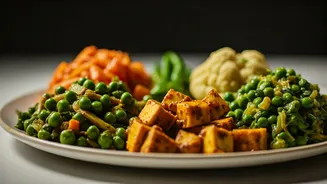
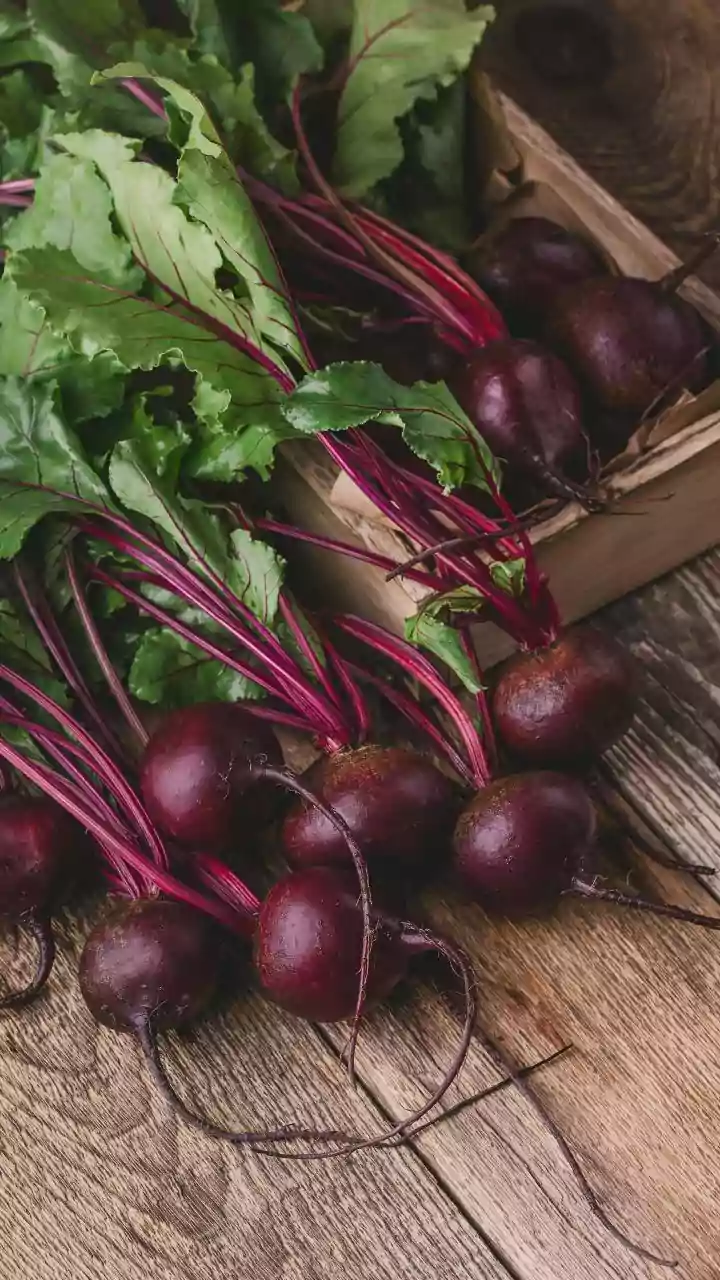
Delve into the diverse world of healthy Indian sabzis, thoughtfully categorized to cater to various preferences and dietary goals. The 'Healthy Dry Sabzi' section features preparations with minimal to no oil, such as Methi Pitla, a protein-rich Maharashtrian dish prepared without any added fat. 'Healthy Paneer Sabzi' recipes offer protein and calcium-rich options, with dishes like Achari Paneer providing 13.4 grams of protein per serving, and Cauliflower Paneer Subzi emerging as a popular choice. For plant-based protein powerhouses, the 'Healthy Soya Sabzi' collection includes Soya Bhurji and Soya Chunks Masala, vital for muscle maintenance and iron intake. 'Healthy Sabzis with Gravies' presents comforting dishes like Palak Paneer Koftas in Makhani Gravy, offering a healthier, low-calorie alternative to traditional fried koftas, with around 195 calories per serving. The 'Healthy Sabzis with Leafy Vegetables' category champions greens like spinach and methi, featuring vibrant dishes such as Corn Palak Sabzi and Beetroot Tikkis in Spinach Gravy, which is rich in vitamins and minerals. Lastly, 'Healthy Sabzis with Sprouts and Beans' highlights nutrient-dense options like Chawli Chi Bhaji and Mixed Sprouts Sabzi, excellent sources of protein, fiber, and essential minerals beneficial for bone health and overall vitality.
Pairing for a Balanced Meal
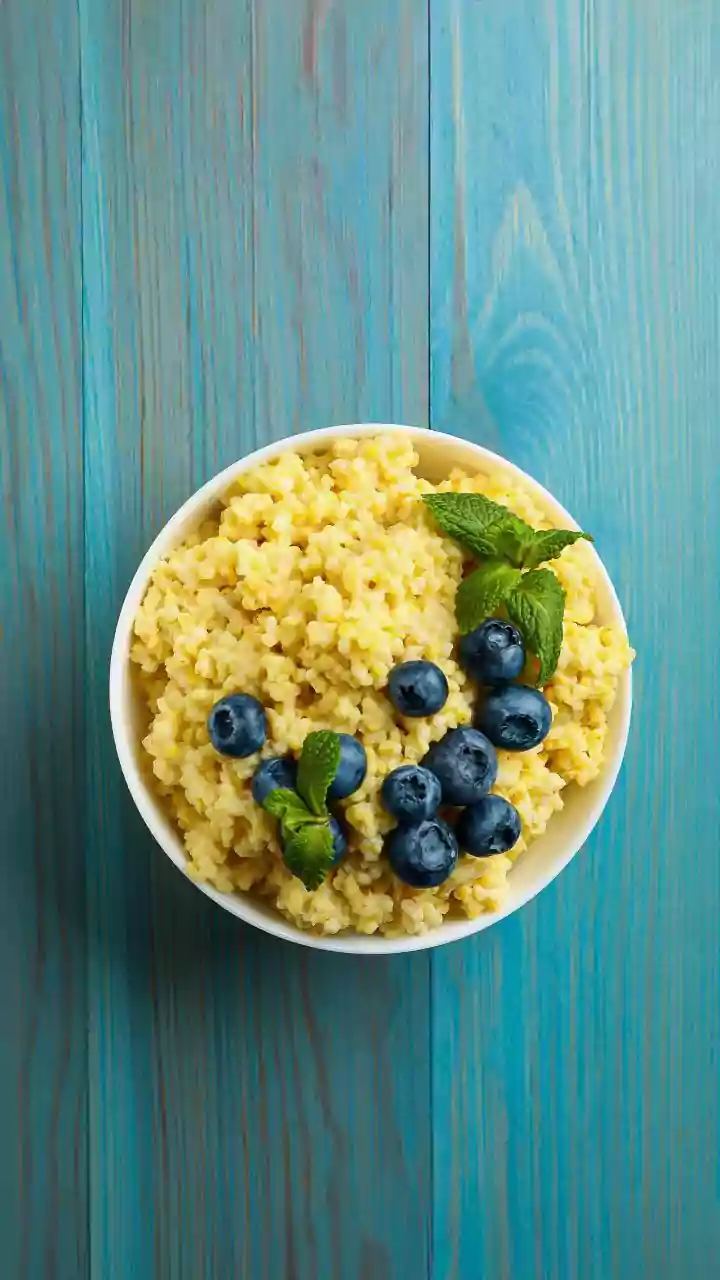
Elevate your healthy sabzi experience by understanding the best accompaniments that create a nutritionally balanced and satisfying Indian meal. For your dry or gravy-based sabzis, opt for whole wheat phulka or chapati, which are rich in fiber and perfect for daily consumption. For those seeking gluten-free alternatives, jowar or bajra roti provides high fiber and aids in blood sugar regulation, making them excellent pairings, especially with dry sabzis. Multigrain rotis, incorporating a blend of millets and whole wheat, offer a nutrient boost ideal for weight loss and heart health. Complement your sabzis with a light, protein-rich dal, such as green moong or masoor dal, to complete the nutritional profile of your thali. For a lighter option, brown rice or quinoa pulao provides low-GI grains, ensuring a filling and diabetic-friendly combination. Finally, incorporate fresh Indian salads or a cooling raita (made with low-fat curd) to add crunch, hydration, and essential vitamins, creating a wholesome and complete Indian vegetarian dining experience that prioritizes health and taste.