







Reusable Rocket Milestone
In a landmark moment for heavy-lift spaceflight, Blue Origin has successfully demonstrated the reusability of its New Glenn rocket, a crucial development
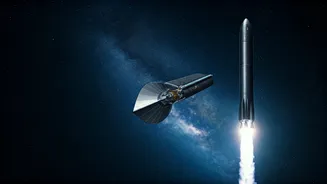
in its ambition to rival established players in the commercial launch sector. This achievement marks the third flight for the New Glenn system, which has been under development for over a decade. The strategy of re-flying rocket boosters, pioneered by competitors, is fundamental to reducing launch costs and increasing launch cadence. The booster utilized in this mission was the same one that previously flew in November, successfully delivering NASA spacecraft towards Mars before a controlled ocean landing on a drone ship. This time, the booster once again returned safely to a drone ship approximately ten minutes after liftoff, underscoring the company's growing proficiency in reusable technology and solidifying its commitment to making space access more economical. This reusability is vital for Blue Origin's broader goals, including supporting NASA's lunar exploration initiatives and enabling the construction of vast satellite networks for Amazon and its own ambitious projects. The successful recovery and readiness for reuse of the booster itself represent a significant technological and operational win, laying the groundwork for future missions and reinforcing the viability of their heavy-lift launch platform.
Orbital Insertion Question
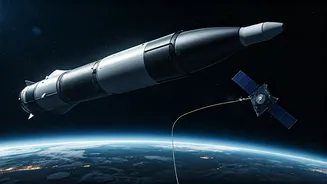
Despite the successful reuse of the New Glenn rocket, the mission encountered a significant complication with the deployment of its primary payload, a communications satellite belonging to AST SpaceMobile. Approximately two hours post-launch, Blue Origin announced that the satellite had been placed into an 'off-nominal orbit,' suggesting a deviation from the intended trajectory. This situation raises concerns about the performance of the rocket's upper stage, as it implies that the satellite did not reach its planned orbital parameters. Communications were confirmed, and the satellite did power on, yet the deviation means it will need to be de-orbited. The specific timeline indicated a crucial second burn by the upper stage about an hour after launch, and it remains unclear whether this burn occurred as planned or if other anomalies affected the satellite's final orbital positioning. This issue is particularly concerning given Blue Origin's existing agreements with AST SpaceMobile to deploy multiple satellites over the coming years, which are essential for building out AST's space-based cellular broadband network. Any sustained difficulties in accurately placing payloads could jeopardize these future collaborations and impact Blue Origin's broader commercial launch schedule.