



The Charm of Makki ke Dhokle
Rajasthani cuisine is celebrated for more than just its well-known dishes; it holds a treasure trove of home-style delicacies like Makki ke Dhokle. These
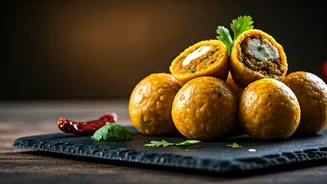
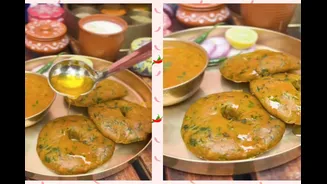
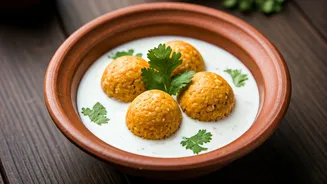
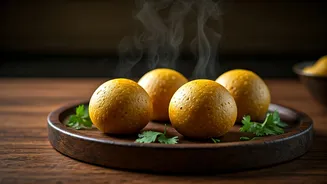
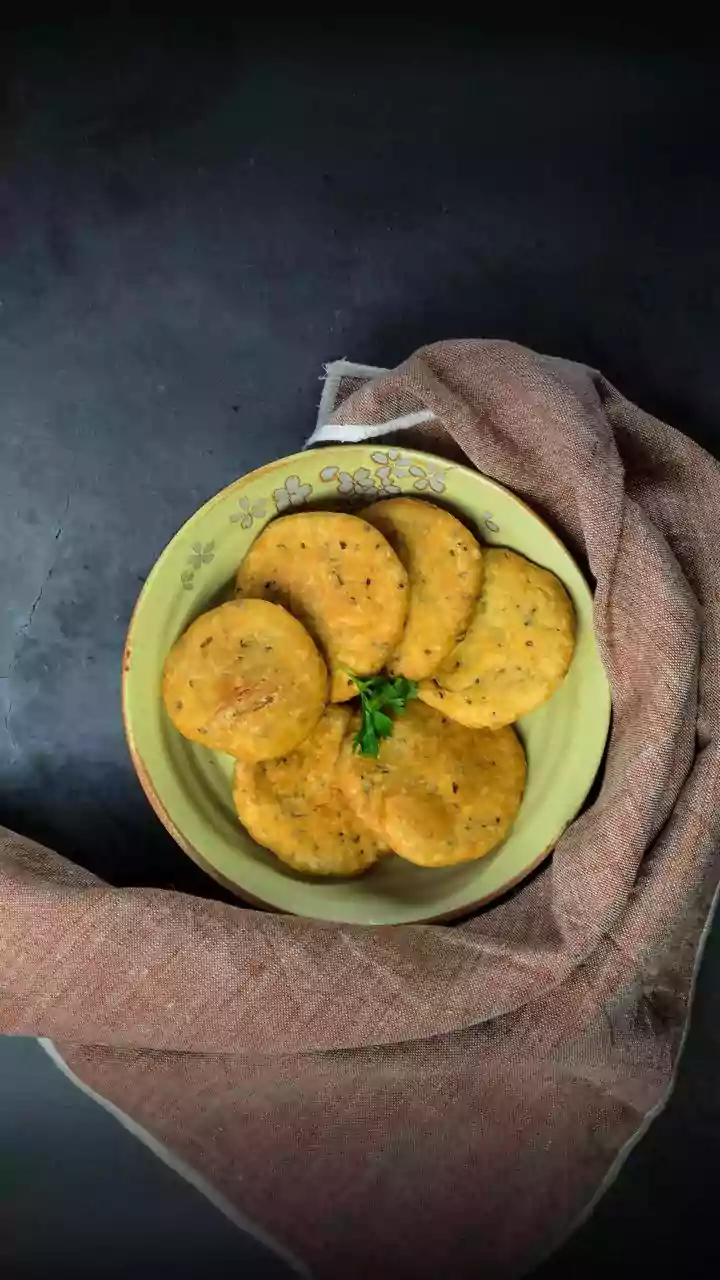
soft, circular dumplings, crafted from maize flour, are a staple in Marwari households, cherished for their distinct earthy flavour and profoundly comforting essence. Imagine golden-brown dhoklas, glistening with ghee, paired with a zesty green chutney or a simple, nourishing dal – this is comfort food personified. Perfectly suited for breakfast, a midday pick-me-up, or a light evening repast, they offer a wholesome and subtly spiced experience. The beauty of this dish lies in its accessibility; no culinary expertise is required to bring this beloved Rajasthani tradition into your own home.
Essential Ingredients & Preparation
To craft these delightful maize flour dumplings, you'll require two cups (approximately 250 grams) of maize flour. Enhance the flavour and texture with one cup of finely chopped spinach and half a cup of fresh coriander leaves. For seasoning, gather half a teaspoon of cumin seeds, a pinch of asafoetida (hing), half a teaspoon each of turmeric powder and red chilli powder, and one teaspoon of coriander powder. The aromatic base is created by finely crushing 4-5 garlic cloves and 2-3 green chillies. Additionally, you will need a quarter teaspoon of baking soda, two tablespoons each of mustard oil and ghee, and one teaspoon of salt. Water will be used as needed to achieve the perfect dough consistency.
Crafting the Dhokle Dough
Begin by preparing the flavour paste. In a mortar and pestle, grind the garlic cloves, fresh coriander leaves, and green chillies until you achieve a slightly coarse mixture. Next, transfer the maize flour into a spacious mixing bowl. Introduce the prepared green chilli-garlic paste to the flour. Incorporate the remaining dry ingredients: asafoetida, cumin seeds, red chilli powder, turmeric powder, salt, and baking soda. Add the mustard oil and ghee to the mixture, along with the finely chopped spinach leaves. Thoroughly combine all these elements. Gradually introduce water while kneading the mixture to form a soft, cohesive dough. It's crucial that the dough is neither excessively firm nor overly sticky, aiming for a pliable texture that’s easy to handle and shape.
Shaping and Steaming
Once your dough is perfectly kneaded, lightly oil your palms to prevent sticking. Take small portions of the dough and roll them between your hands, shaping them into small rings or traditional doughnut-like forms. Continue this process until all the dough is utilized. Prepare your steamer by lightly greasing a sieve or steamer basket with a bit of ghee. Arrange the shaped dhoklas within the greased sieve, ensuring there's a small gap between each piece to allow for even steaming. In a large pot, bring water to a rolling boil. Carefully place the prepared sieve containing the dhoklas over the boiling water, cover the pot securely with a lid, and steam the dumplings over high heat for approximately 20 minutes. This steaming process ensures they become soft and fully cooked.
Finishing Touches and Serving
After the 20-minute steaming period, carefully turn off the heat. Gently remove the dhoklas from the steamer, taking care not to break them. To serve, generously drizzle hot ghee over the steamed Makki ke Dhoklas. These delicious dumplings are best enjoyed warm, accompanied by your favourite chutney, such as a mint or tamarind chutney, or served alongside a simple, comforting dal. For those who prefer to be extra sure about doneness, after the initial 20 minutes of steaming, you can insert a knife into a dhokla; if it comes out clean, they are perfectly cooked. If not, continue steaming for an additional 2-3 minutes. Alternatively, a drizzle of sesame oil can be used instead of ghee, and the amount of ghee can be adjusted to suit personal taste preferences.