



What is Nursemaid's Elbow?
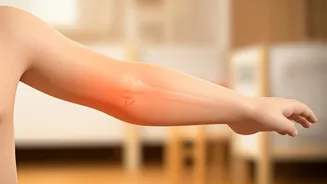
Nursemaid's elbow, also known as radial head subluxation, is a frequent injury affecting young children, typically between the ages of one and four years
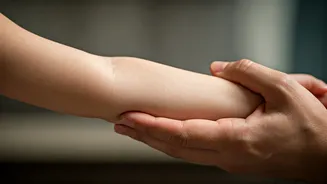
old. It occurs when the ligaments that stabilize the elbow joint are stretched or torn due to a sudden, forceful pull on the child's hand or arm. This can happen during everyday activities like being lifted abruptly, swung by the arms during play, or even when a child resists being pulled along. The primary cause is the underdeveloped nature of a child's elbow joint; the annular ligament, which encircles the radial head (the top part of the forearm bone), is not yet fully formed and can easily slip out of place. Many parents remain unaware of this condition, attributing the child's discomfort to simple fussiness or a minor bump, making it a surprisingly common yet often unrecognized ailment among the pediatric population.
Recognizing the Symptoms
Identifying nursemaid's elbow requires careful observation, as the symptoms can be subtle and easily mistaken for other issues. A primary indicator is the child's reluctance to use the affected arm. They will often hold it limply against their body, maintaining a slightly bent position at the elbow, and will actively avoid any movement that involves rotating the forearm. Unlike more apparent injuries, there is typically no visible swelling, bruising, or open wound, which can lead parents to believe the child is simply being dramatic or overly sensitive. The absence of these external signs can be misleading. However, if a child suddenly stops using their arm after an incident where their arm might have been pulled, it warrants a closer look. The key is the sudden cessation of arm use without apparent external trauma, differentiating it from a more significant injury.
Treatment and Recovery
Despite its potentially alarming presentation, nursemaid's elbow is generally a straightforward and easily treatable condition. The good news for parents is that it is not as serious as it might seem, and recovery is remarkably swift. A healthcare professional can correct the dislocation through a simple maneuver called reduction. This involves gently manipulating the arm to guide the dislocated ligament back into its proper position within the elbow joint. The procedure is quick, often taking mere seconds to complete. Once the reduction is successful, children can typically resume normal use of their arm almost immediately, much to the surprise and relief of their parents. This rapid return to activity underscores the benign nature of this common childhood injury and highlights the effectiveness of prompt medical attention.
Prevention Strategies for Caregivers
Preventing nursemaid's elbow primarily involves educating parents, caregivers, and teachers about safe ways to handle young children. A common trigger for this injury is a sudden upward pull on a child's hand or arm, often done instinctively to help them walk faster or navigate obstacles. To mitigate this risk, it is highly recommended to avoid pulling the child's arms directly. Instead, caregivers should opt for a safer method of support: holding the child by their arms under their armpits. This technique provides stability and control without placing undue stress on the delicate elbow joint. By adopting this conscious practice, adults can significantly reduce the likelihood of inadvertently causing nursemaid's elbow and ensure the safety and comfort of the children under their care.