



Body's Reaction to Fats
When individuals decide to eliminate ghee and oil from their diet, the body initiates a series of reactions. Initially, there might be changes related
to energy levels. Since fats are a concentrated source of energy, their reduction could lead to a feeling of reduced vitality, particularly during the adjustment phase. The body’s metabolism begins to adapt, potentially shifting towards utilizing stored fats or other energy sources more efficiently. This adaptation might vary based on the individual's overall health and activity levels. Furthermore, the digestive system also starts to adjust to the lowered fat intake. The pancreas, which produces enzymes to break down fats, may alter its output. Bile production by the liver could also fluctuate. These physiological changes highlight the body's dynamic response to alterations in dietary components. It emphasizes the complex interactions within the body as it strives to maintain balance and optimal functioning, even with dietary shifts.
Impact on Cholesterol Levels
The removal of ghee and oil can influence cholesterol levels, which are critical for heart health. Generally, reducing intake of saturated fats found in ghee might lead to a decrease in LDL cholesterol, often called “bad” cholesterol. This reduction can lower the risk of cardiovascular ailments. Conversely, the absence of certain fats could affect HDL cholesterol levels, the “good” cholesterol that helps to clear cholesterol from the arteries. The extent of these changes varies based on several factors, including the individual's initial cholesterol levels, genetic predispositions, and other dietary components. Regular monitoring of cholesterol levels by healthcare professionals is essential during such dietary modifications. This helps in assessing how the body responds and ensuring that the changes align with overall health goals. Dietary adjustments always have multifaceted effects on the body's internal systems, and cholesterol regulation is a primary area affected by alterations in fat consumption.
Skin and Hair Changes
The intake of ghee and oil has a significant influence on skin and hair health. Both are dependent on the presence of essential fats for moisture and overall condition. By eliminating these fats, there could be noticeable changes in the skin. It might become drier, which can sometimes lead to increased sensitivity. The hair might also respond to the alteration in fats, possibly appearing less lustrous or feeling drier. This is because oils and fats play a role in maintaining the structure and hydration of hair strands. However, these changes can be temporary. The body, being adaptable, might start using other available resources to sustain the health of skin and hair. Individuals could also explore incorporating healthy fats from different sources such as nuts or avocados. These options allow for the body to maintain essential fat intake. Maintaining a balanced intake of nutrients is critical. This will help mitigate potential effects and support overall vitality during any dietary transitions.
Potential Digestive Effects
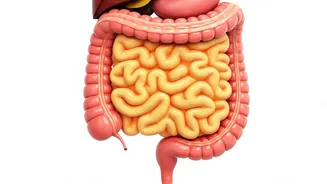
Digestive health can be affected when ghee and oil are removed. Fats, particularly oils, aid in the smooth passage of food via the digestive tract. Their elimination can sometimes cause digestive challenges. Constipation might become more common. This is because fats help lubricate the intestines. The body’s bile production, essential for fat digestion, may also decrease, potentially affecting the absorption of fat-soluble vitamins such as A, D, E, and K. However, the digestive system is highly adaptable. It will likely compensate for the change. Increased fiber intake from fruits, vegetables, and whole grains becomes particularly beneficial. It helps in maintaining regular bowel movements and aids overall gut health. Individuals should focus on hydration to support the digestive process. These approaches can contribute to a more seamless transition. They also help to uphold digestive health while adjusting to a diet that is lower in fats.
Nutritional Considerations
When eliminating ghee and oil, it’s essential to consider the nutritional balance of the diet. Fats are a source of essential fatty acids, crucial for various bodily functions. These fatty acids support brain health, hormone production, and cellular function. The removal of ghee and oil reduces the intake of saturated fats. However, it is essential to ensure that the diet includes alternative sources of essential fats. Foods like avocados, nuts, seeds, and fatty fish provide these crucial nutrients, as well as several other benefits. Individuals must also make sure they are receiving enough fat-soluble vitamins. This might require dietary adjustments or, in specific situations, supplementation, as advised by a healthcare professional. A comprehensive strategy that focuses on both the elimination of certain fats and the incorporation of nutrient-rich alternatives ensures a well-rounded diet, facilitating overall health and well-being during and after the dietary transition.