
The Evolution of Minimalism
Minimalism, once celebrated for its serene, uncluttered spaces and sense of calm, has become a dominant interior design trend. Its appeal lies in offering
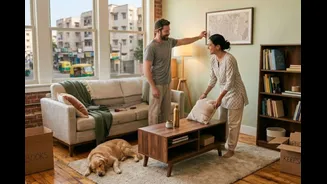
a peaceful retreat from a busy world, characterized by clean lines, ample negative space, and a meditative quality. For years, many homes embraced this aesthetic, finding solace in its simplicity. However, this pursuit of spaciousness and order sometimes led to interiors feeling sterile, impersonal, and more akin to display showrooms than comfortable living areas. The lack of individuality and emotional connection prompted a shift, with homeowners now seeking to infuse their spaces with more warmth, character, and a genuine sense of being lived-in, moving away from the cold, clinical feel that had inadvertently become a hallmark of extreme minimalism.
Embracing Earthy Neutrals
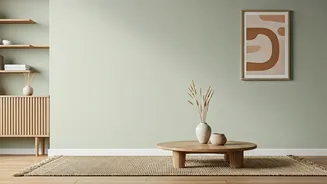
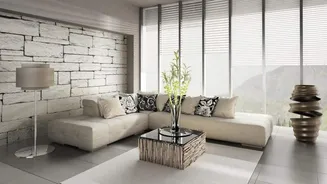
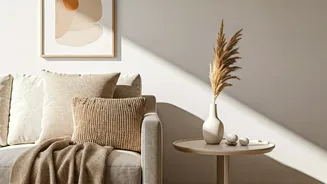
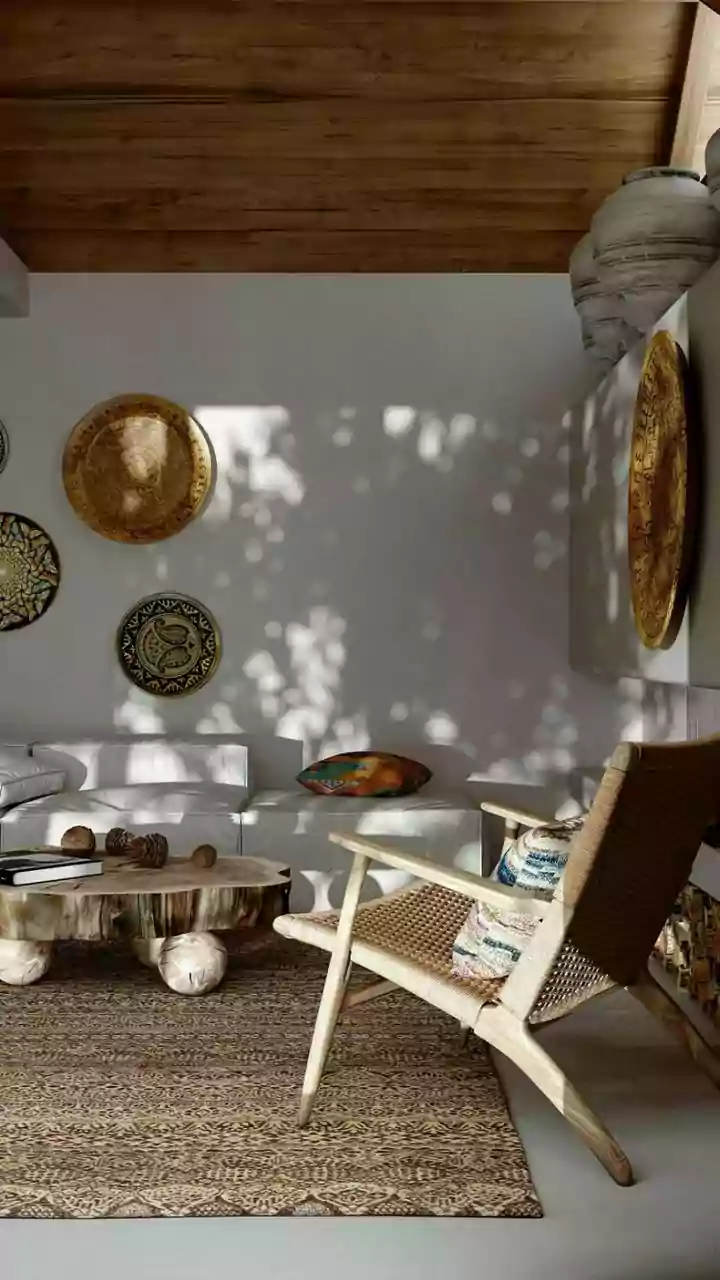
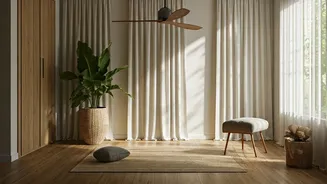
To counteract the coolness often found in stark white minimalist spaces, a conscious shift towards earthy, nature-inspired neutral tones is essential. Instead of cool, blue-toned whites, opt for a palette that echoes the natural world. Think of soft, warm hues like biscuit beige, toasted oatmeal, and raw linen. These colors are not just applied to walls; they actively interact with light, softening and diffusing it to create a 'sun-washed' effect that inherently feels cozy and inviting. This grounding palette provides a welcoming backdrop that avoids the sterile, clinical atmosphere, fostering a sense of comfort and organic beauty within the minimalist framework.
Incorporating Natural Materials
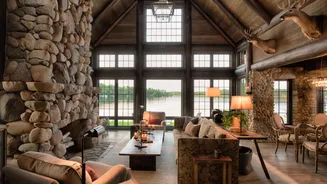
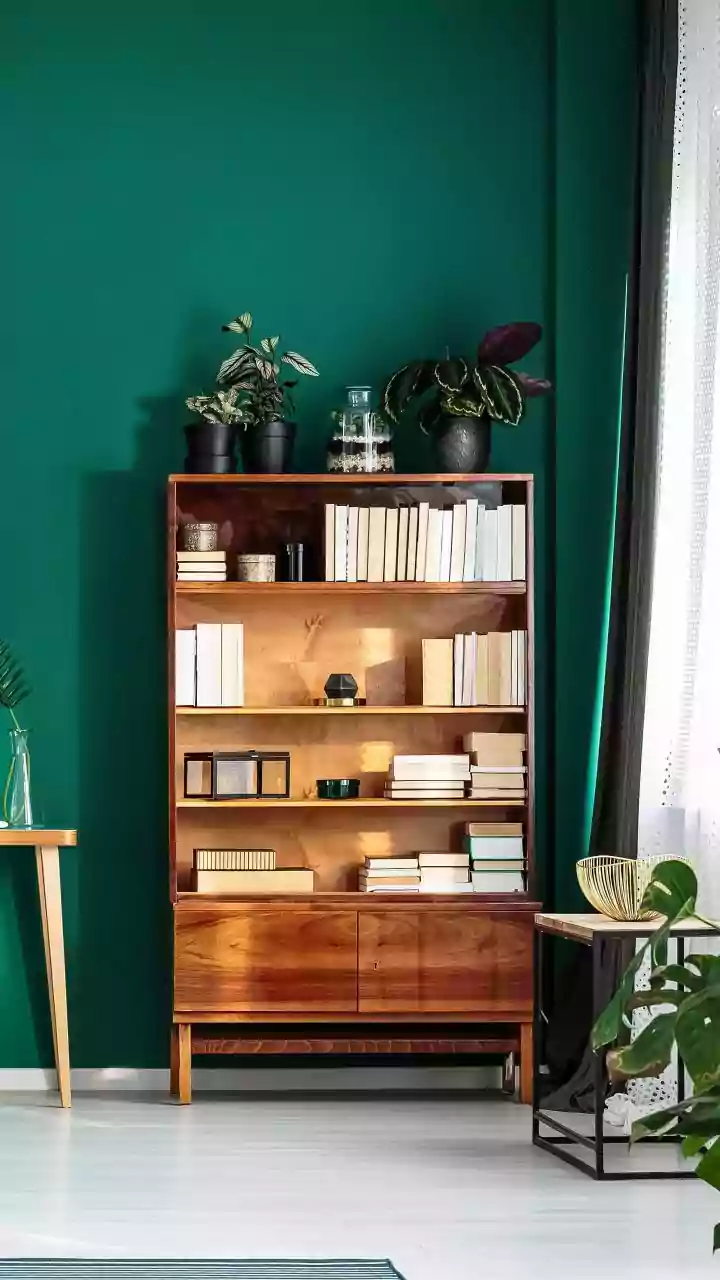
The inherent warmth of natural materials is key to softening the sharp edges often associated with minimalist design. Introducing elements like wood, rattan, linen, and stone instantly adds tactile depth and a comforting presence. These materials can be integrated through furniture pieces such as a wooden coffee table, a linen-upholstered sofa, or a plush wool rug. Even smaller decorative items like woven baskets or stone accents can significantly contribute to a more grounded and organic feel. The organic texture and visual appeal of these materials provide a natural counterpoint to the clean lines, making the space feel more approachable and less like a curated display.
Layering Textures for Depth
Creating a sense of richness and interest within a minimalist scheme is achievable through the strategic layering of textures. This involves combining contrasting surface qualities – smooth with rough, soft with hard – to add visual and tactile dimension. Imagine a chunky knit throw draped over a sleek leather sofa, or a rustic woven basket placed beside a minimalist metal lamp. These juxtapositions introduce complexity and coziness, preventing the space from feeling flat or monotonous. The interplay of different textures invites the eye to explore and the hand to engage, making the environment feel more inviting and thoughtfully composed, even within a restrained aesthetic.
Adding Personal Touches
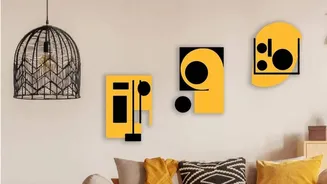
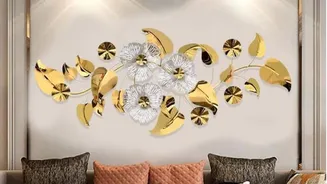
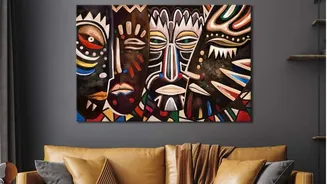
Minimalism does not necessitate the absence of personal expression; rather, it encourages curated displays of meaningful items. Incorporating personal touches, such as cherished art, family photographs, or collected objects, tells a unique story and imbues the space with individuality. The key is thoughtful curation, ensuring these elements complement the minimalist aesthetic without creating clutter. Each piece should resonate deeply and contribute to the overall narrative of the home, transforming it from a generic space into a personal sanctuary that reflects the occupant's journey and passions.
Strategic Lighting for Ambiance
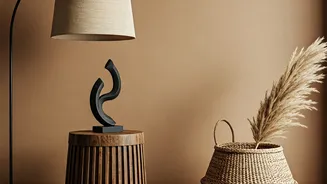
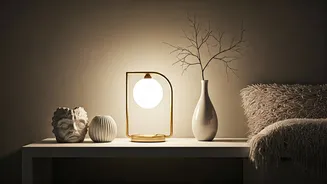
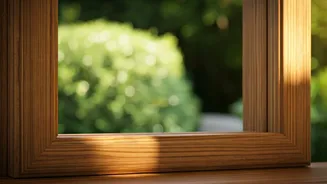
The right lighting is pivotal in establishing the mood of a minimalist space. Moving away from harsh, bright overhead illumination, warm minimalism embraces 'pools of light' that create intimacy and depth. Opt for ambient lighting through sculptural floor lamps with parchment or linen shades that cast a soft glow. Consider dimmers and layered lighting solutions, including task and accent lights, to craft inviting atmospheres. When light interacts with textured surfaces, such as lime-washed walls or grain-rich wood, it generates subtle shadows and highlights, enhancing the layered, lived-in feel without introducing visual clutter. This approach transforms the room into a cozy haven.