



Cooked Food Placement
To ensure the longevity and quality of cooked meals, it's crucial to let them cool down for at least 30 to 45 minutes before refrigerating. Placing hot
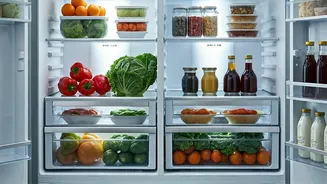
food directly into the appliance can disrupt the internal temperature, potentially impacting other items. For optimal storage, use airtight containers made of glass or stainless steel. The middle shelf is generally the most stable in terms of temperature, making it an ideal spot. A key principle to follow is to only reheat the portion you intend to eat, as repeated reheating can diminish both the flavor and nutritional value of the dish. Adhering to a two to three-day consumption window for most cooked foods is also recommended to maintain safety and taste.
Vegetable Storage Strategy
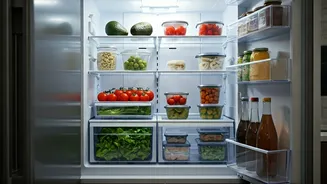
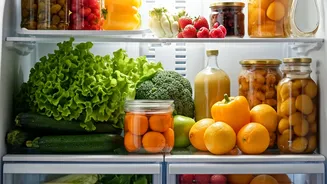
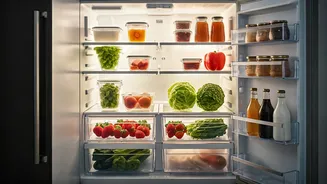
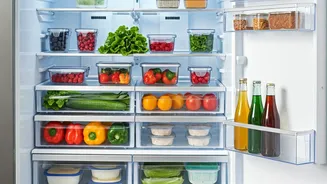
For raw vegetables, the paramount rule is to keep them dry. If you wash them prior to storage, ensure they are thoroughly dried before being placed in the refrigerator. The vegetable drawer is specifically designed to manage humidity levels, making it the best location for these items. Utilizing cloth bags or perforated covers facilitates air circulation, which is vital for preserving freshness. It's also wise to segregate fruits like apples and tomatoes, which emit ethylene gas, from more sensitive vegetables, particularly leafy greens, to prevent premature spoilage.
Leafy Greens Care
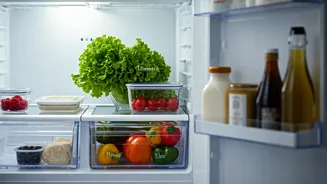
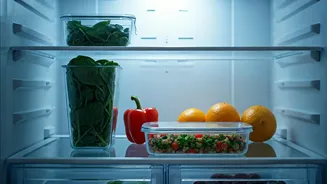
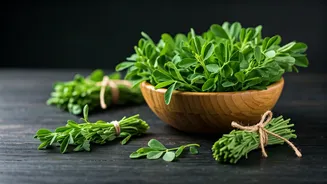
Leafy greens require a more delicate approach to maintain their vibrancy and nutrient content. A highly effective method is to wrap them in a slightly damp towel. Following this, place the wrapped greens into a container that has been lined with a dry paper towel. This simple step can significantly extend their freshness for several days. To maximize their nutritional benefits, it's advisable to consume leafy greens within about four days of storage.
Seasonal & Ayurvedic Approach
Incorporating seasonal awareness into your food storage, much like Ayurvedic principles, can enhance both taste and longevity. The concept of aligning ingredients with the current 'ritu' or season suggests that foods in season are not only more flavorful but also easier for the body to process and tend to last longer when stored correctly. This mindful approach extends beyond mere preservation; it represents a deeper respect for the ingredients and the nourishment they offer, connecting culinary practices to overall well-being.