


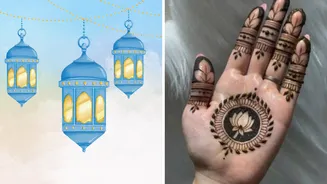
The Significance of Mehndi
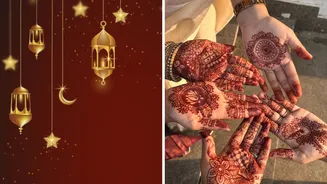
Mehndi, more than just body art, is an integral part of the Eid al-Fitr celebration, particularly observed on Chaand Raat, the night before Eid. This ancient
practice symbolizes blessings, joy, and the enhancement of feminine beauty, with a darker henna stain traditionally signifying deeper love and happiness. In 2026, while deeply rooted in tradition, mehndi has also evolved into a significant fashion statement, complementing festive attire and elevating one's overall Eid look. It's a timeless ritual that connects generations, embodying spiritual renewal and warding off negativity while adding an exquisite aesthetic touch to the festivities.
Elegant Arabic Patterns
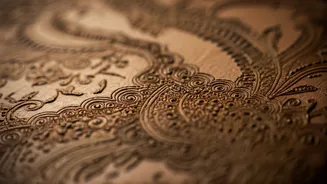
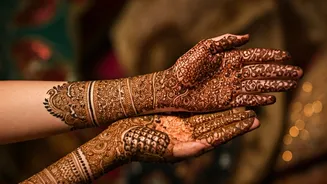
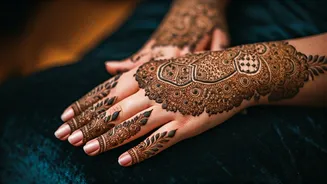
Arabic mehndi designs are celebrated globally for their distinctive bold floral motifs, artful use of negative space, and gracefully flowing vine-like trails. These patterns offer a lighter aesthetic and are generally quicker to apply, making them an excellent choice for those favouring a modern and minimalistic look. A popular approach involves starting with diagonal floral elements, complemented by delicate trails and vines that harmonize beautifully with traditional ensembles. The open and airy nature of Arabic designs creates a sophisticated appearance, perfect for contemporary celebrations while retaining a timeless charm.
Intricate Indian Designs
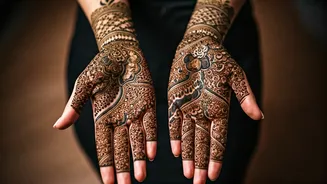
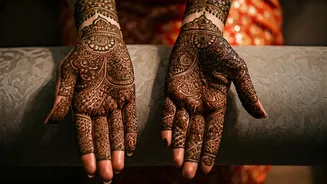
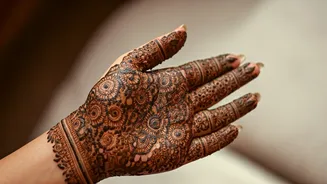
Indian mehndi artistry is renowned for its dense, highly detailed patterns deeply embedded in cultural heritage. These designs often feature full-hand coverage adorned with elements like intricate jaali work (lattice patterns), paisleys, majestic peacocks, and calming mandala art. This style is ideal for individuals who embrace a maximalist aesthetic for their mehndi. It is particularly favoured by brides, offering a rich and elaborate look that is exquisitely suited for traditional photographs and ceremonies, symbolizing completeness and auspiciousness.
The Iconic Moon Motif
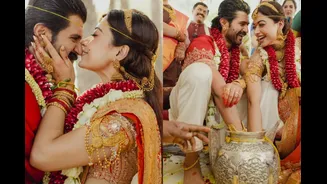
The crescent moon, a quintessential symbol of Eid, provides a captivating motif for mehndi designs. These can be creatively interpreted through designs like floral chandeliers suspended from a moon, celestial arrangements with stars, or elegant hanging chains accompanying the moon. For a more understated yet impactful look, a simple half-moon design placed strategically on the centre of the palm or the back of the hand can make a striking statement. This minimalist approach is highly 'Pinterest-worthy' and offers a chic, contemporary interpretation of an ancient symbol, as seen in styles inspired by celebrities.
Fusion of Styles
A prominent trend in contemporary mehndi artistry is the Indo-Arabic fusion, masterfully blending the boldness of Arabic patterns with the intricate detail characteristic of Indian designs. This hybrid approach often features a central mandala element, complemented by delicate Arabic vines and petal-like embellishments along the sides. The result is a design with a clear structure, enriched by integral fillers, achieving a balanced and aesthetically pleasing outcome. This style offers the best of both worlds, providing a sophisticated and harmonious mehndi application that appeals to a wide range of preferences.
Timeless Floral Artistry
Floral patterns in mehndi remain perpetually popular and universally cherished for their delicate beauty and symbolism. Designs can range from clusters of roses and elaborate bouquet arrangements with leafy vines to simpler yet elegant formations. A single, beautifully rendered lotus at the centre of the palm can exude chic sophistication and is a perfect choice for a refined look. Flowers inherently represent growth, joy, and new beginnings, aligning perfectly with the joyous spirit of Eid al-Fitr, making them a meaningful and aesthetically pleasing choice for the celebration.