





What is Tadgola?
The ice apple, known locally as tadgola in Hindi, nungu in Tamil, and munjalu in Telugu, is the delightful fruit of the palmyra palm (Borassus flabellifer).
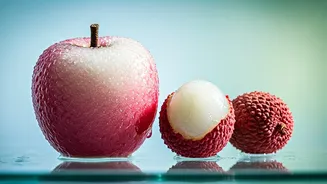
This resilient tree thrives in scorching heat and arid conditions, yielding a fruit that is a true marvel of nature. Visually, it resembles a large coconut with a robust, dark outer shell. Inside, you'll discover two to three seeds, each enveloped in a translucent, gelatinous pulp that is pale white or faintly yellow. Its texture is reminiscent of lychee but softer, boasting a significant water content that makes it incredibly perishable. This characteristic means it's predominantly sold fresh by street vendors across India's coastal regions, particularly in states like Tamil Nadu, Andhra Pradesh, Telangana, Odisha, West Bengal, and parts of Maharashtra and Karnataka. The flavour is subtly sweet, with a delicate floral essence, often compared to tender coconut but less creamy. Traditionally revered for its hydrating properties, tadgola is a natural remedy for combating dehydration and heatstroke, with each seed acting as a miniature reservoir of cool, mildly sweet liquid.
Why It's Seasonal
A crucial aspect of understanding the ice apple is its fleeting availability; it's a true delicacy of a specific season. You can only find this wonder fruit gracing roadside stalls during the peak summer months, specifically from April through June, precisely when temperatures begin to climb relentlessly. Its incredibly high natural water content is both its blessing and its curse. This means that once harvested, it must be consumed quickly to prevent spoilage. This short shelf life also explains why tadgola rarely makes its way into large supermarkets or cold storage facilities. Unlike fruits like mangoes or watermelons, which can endure long-distance transportation and storage, ice apples require immediate consumption. Their availability is intrinsically linked to the local harvest cycle. Therefore, to experience this refreshing treat, your best bet is to seek out local vendors, especially in coastal cities during April and May. While less common, some online grocery delivery platforms in larger cities like Bangalore might offer pre-peeled ice apples during their season.
Nutritional Powerhouse
Beyond its refreshing qualities, the ice apple packs a surprisingly robust nutritional punch, making it exceptionally well-suited for the demands of an Indian summer. Primarily composed of water, it's exactly what your body craves when thermometers soar above 40 degrees Celsius. But its benefits extend beyond mere hydration. It contains natural sugars that provide a gentle, immediate energy lift, steering clear of the dramatic spikes and subsequent crashes associated with processed sugary items. Furthermore, it's a rich source of dietary fibre and protein. Nutritionally, it boasts vitamins A, C, E, and K, along with essential minerals like iron, zinc, phosphorus, and potassium – an impressive nutrient profile for such a light and low-calorie fruit. In traditional Ayurvedic medicine, the palmyra fruit is recognized for its cooling properties, helping to reduce 'pitta' or body heat. This isn't just anecdotal; the high water content, natural electrolytes, and soothing effect on digestion make it particularly beneficial for those susceptible to acidity, heat rashes, or dehydration-induced headaches during summer. Its low-calorie count also makes it an ideal, light snack between meals when heavy foods feel unappetizing.
How To Enjoy
The most authentic and rewarding way to savour an ice apple is in its purest form, directly from the shell, expertly opened by a roadside vendor. The vendor typically shaves off the tough husk, revealing the delicate seeds within. Often, a sprinkle of black salt is added, enhancing the subtle sweetness. Enjoying it this way, right there amidst the heat, is an unparalleled experience. For an extra layer of refreshment, some prefer to chill the seeds before consumption. In certain parts of South India, ice apples are also incorporated into milk-based beverages, lightly sweetened syrups, or summery desserts. If you opt for pre-peeled ice apples, you'll notice a thin, waxy or woody skin around each seed. This is easily peeled away with your fingers, though a small knife can sometimes assist. Once this layer is removed, the fruit is ready to eat – no cooking or complicated preparation needed. A key tip for selection: always favour tender ice apples over firm ones. The tender varieties contain more liquid and offer a softer, more pleasing texture. Hard, dry ice apples are typically over-ripe and might lead to digestive discomfort. It's also best to consume them the same day you purchase them, as they are highly perishable and begin to lose their optimal texture and taste within 24 to 48 hours, even when refrigerated.
Three Tadgola Recipes
Beyond its raw appeal, ice apple lends itself beautifully to a few simple yet delightful culinary creations. First, the Nungu Sherbet offers a quick and invigorating drink. Simply blend 4-6 peeled ice apple seeds with a cup of chilled water or coconut water, a teaspoon of sweetener like sugar or honey, and a pinch of black salt. A few fresh mint leaves add an extra aromatic touch. Pulse until smooth or slightly textured, strain if preferred, and serve over ice. Using coconut water enhances the flavour and electrolytes, while a tiny squeeze of lime juice right before serving provides a zesty lift. Next, for a more traditional dessert experience, try Nungu Payasam. This South Indian kheer combines delicately chopped ice apple pieces with thickened milk, cardamom, and optional saffron. Blend blanched almonds and cardamom pods with a little milk to form a paste. Simmer full-fat milk in a heavy-bottomed pan, add the almond paste, and stir until slightly thickened. Incorporate sugar and cook further before letting it cool completely. Gently fold in the chopped ice apple and refrigerate. The result is a subtly sweet, aromatic kheer with delightful bursts of jelly-like fruit. Finally, for a unique fusion, the Tadgola Salad with Coconut Milk offers a refreshing, less traditional option. Combine cubed ice apple with sliced cucumber, chopped spring onion, finely sliced green chilli, and grated ginger. Whisk together coconut milk, lemon juice, chaat masala, jaggery powder, and salt, then toss with the fruit and vegetables. Top with pomegranate arils and torn mint leaves. Refrigerate before serving chilled. This salad balances sweet, tangy, and spicy notes perfectly for a hot summer day.
Myth Busting
Several misconceptions surround the ice apple, often preventing people from fully appreciating its benefits. One prevalent myth is that ice apple causes a cold. This is inaccurate; in the context of Ayurveda, it's considered 'cooling' in the sense of reducing excess body heat ('pitta'), not in a way that weakens the immune system. Consuming ice apples is no more likely to cause a cold than drinking chilled water. Another common restriction suggests pregnant women should avoid it. There is no scientific basis for this; in fact, its hydrating properties and gentle nature on the stomach, potentially aiding with nausea, can be beneficial during pregnancy, though moderation is always advised. The idea that harder ice apples are of superior quality is also false; the opposite is true. Tender, slightly yielding ice apples are the best, offering more liquid and a sweeter flavour. Very firm ones are often over-ripe and can lead to digestive discomfort. Lastly, the claim that ice apple lacks nutritional value is unfounded. With its content of vitamins A, C, E, and K, alongside essential minerals like iron, potassium, zinc, and phosphorus, it is far from nutritionally empty, even if its primary component is water.