







What is a Parandi?
The parandi, a traditional hair accessory, holds a special place in Indian culture, particularly among women. It is essentially an embellishment that is woven
into the hair, frequently the braid, to lengthen, add volume, and enhance its aesthetic appeal. Originating from ancient traditions, the parandi's use is not merely decorative; it is often symbolic, representing beauty, grace, and cultural identity. Historically, the parandi design and ornamentation often reflected the wearer's social status and regional background, varying in materials, colours, and decorative elements. This accessory's rich history weaves into various cultural practices and ceremonies, making it a powerful symbol of tradition and a must-have for festivals and celebrations. The parandi's enduring popularity across generations demonstrates its adaptability and enduring appeal within India's ever-evolving fashion landscape.
Types of Parandis
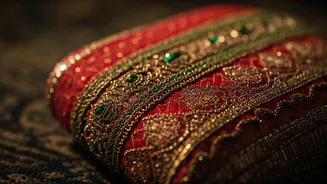
The world of parandis offers a diverse range, each reflecting unique regional influences and design aesthetics. One prominent type is the tassel parandi, characterized by its long, flowing tassels adorned with beads, mirrors, or small charms. These tassels add movement and visual interest to the hairstyle, making them ideal for celebratory events. Jewellery parandis are another elegant option, featuring intricate designs made from metal, often embellished with stones or pearls. These pieces are especially popular for weddings and significant family functions, elevating the overall look. Another traditional variation includes parandis featuring a blend of fabrics and threads woven together, sometimes incorporating patterns or embroidery. These can range from simple designs for daily wear to more elaborate styles for special occasions, depending on the craftsmanship and materials used. Each type showcases a distinct charm and can enhance the wearer's style, making them a popular choice for diverse festive celebrations.
Festive Style Guide
Choosing the right parandi can significantly enhance your festive look. Consider the occasion and your attire when selecting a parandi. For events like Diwali or weddings, opt for a jewellery parandi that complements the richness of your traditional wear, such as a saree or lehenga. These parandis add a touch of glamour, reflecting the celebratory atmosphere. For more relaxed festive gatherings, a tassel parandi could be a perfect choice, offering a playful yet elegant touch. These accessories are ideal for adding movement and a vibrant element to your hairstyle. Think about colour coordination; the parandi's colour scheme should align with your outfit. If your attire features bright hues, a parandi with complementary colours can enhance the overall appeal. If your outfit is more subdued, a parandi with contrasting details can create a captivating contrast. Remember that the design, material, and embellishments of the parandi should harmonize with the fabric, embroidery, and details of your clothing, ensuring a cohesive and sophisticated appearance.
Styling with Parandis
Styling with parandis allows for creative expression and adds personality to your festive look. When wearing a parandi, ensure your hair is properly prepared. Starting with well-groomed, styled hair is essential, whether a braid, a bun, or another intricate hairstyle. Weaving the parandi into the hair carefully is crucial to ensure it stays secure and looks neat. Depending on the design, the parandi can be fully integrated into the braid for a cohesive appearance or strategically placed to create a focal point. For a more modern twist, consider experimenting with different braid styles. A classic three-strand braid, a fishtail braid, or even a French braid can serve as a base for showcasing your parandi. Adding embellishments, such as flowers or other hair accessories, can further enhance the look. The way you style your hair, and integrate the parandi can truly elevate your festive ensemble, making a bold statement.