







The Growing Threat
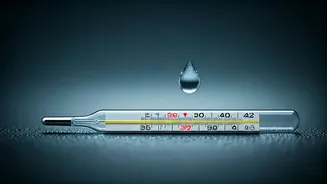
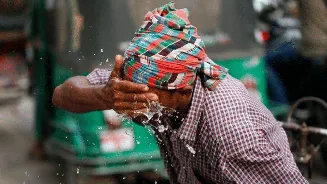
India is currently experiencing an alarming surge in heatwaves, with temperatures in many regions reaching an intense 46°C. This isn't just about discomfort;
it's a significant public health crisis. Recent national statistics reveal a stark reality: 159 confirmed deaths and nearly 48,000 incidents of heatstroke were recorded in 2025 alone. This trend indicates that prolonged exposure to extreme heat is no longer a rare occurrence but a persistent and escalating challenge that demands immediate attention and proactive measures. The way we perceive and address heat-related illnesses must evolve to reflect the severity of this growing environmental and health concern. Understanding the body's response to sustained heat is crucial for effective prevention and mitigation strategies in the face of increasingly severe weather patterns.
Body Under Stress
When the body struggles to regulate its internal temperature, heatstroke can occur. This critical condition is heavily influenced by dehydration, which impairs the body's natural cooling system: sweating. During prolonged heatwaves, the risk escalates significantly as dehydration severely limits the body's ability to cool itself, and continuous exposure to high temperatures exacerbates this vulnerability. Certain individuals are at a greater risk; those with pre-existing conditions like obesity, heart disease, diabetes, or other chronic illnesses can quickly experience medical emergencies even after brief exposure to the heat. Recognizing these physiological responses and identifying vulnerable populations is a key step in implementing targeted safety measures.
Simple Prevention Steps
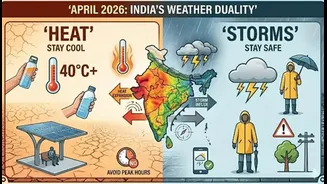
The most effective defence against heat-related illnesses is consistent prevention. Simple, everyday habits can make a significant difference in reducing the risk of heatstroke. Experts universally recommend staying well-hydrated by drinking plenty of fluids, especially water. Opting for lightweight, breathable clothing made from natural fabrics like cotton also helps the body stay cool. Crucially, avoiding direct sunlight during the hottest parts of the day, typically between late morning and late afternoon, is vital. Limiting strenuous outdoor activities during these peak hours further minimizes exposure. Alongside these measures, ensuring adequate rest and consuming light, nutritious meals can bolster the body's resilience against prolonged heat stress, particularly during consecutive days of high temperatures.
Holistic Care Approaches
Beyond conventional preventive practices, supportive and complementary care methods are gaining recognition. Some practitioners suggest that certain therapeutic approaches can aid in managing heat-related symptoms. For instance, homeopathic remedies are sometimes considered for conditions like dehydration, heat exhaustion, and heat stroke. Specific remedies might be indicated based on the presenting symptoms; for example, Belladonna is often considered for sudden heat stroke symptoms like a flushed face, severe headaches, and intense body heat. Similarly, Glonine might be recommended for headaches that worsen with sun exposure, accompanied by palpitations and breathlessness. However, it's crucial to remember that these complementary approaches should always be used to support, not replace, established medical advice and essential preventive strategies.
Recognizing Danger Signs
Heatstroke is particularly perilous due to its rapid onset and the potential for severe complications if not addressed promptly. Recognizing the symptoms is a critical life-saving skill. Signs such as dizziness, confusion, a rapid pulse, and an extremely high body temperature demand immediate medical attention. The changing climate patterns mean that the threat of heat exposure is no longer confined to specific afternoon hours; it is a sustained, cumulative, and often unpredictable challenge. Consequently, the imperative for continuous awareness and proactive health management has never been more pronounced. Acting swiftly upon recognizing these warning signs can prevent severe health outcomes and ensure timely intervention.