






A Lifelong Cultivation
Narinder Pal Singh Dhillon, affectionately known globally as the 'prince of pumpkin' and 'baron of bitter gourd,' has devoted an extraordinary 48 years
to the intricate art of plant breeding, with a special focus on gourds and other cucurbits. His journey, spanning decades, is a testament to a profound passion for these often-underestimated vegetables. Dhillon's commitment began in his youth, influenced by the burgeoning Green Revolution and his family's agricultural roots in Punjab. He witnessed firsthand the transformative power of improved crop varieties and was inspired to pursue a career that could contribute to enhancing global food production. His academic pursuits and extensive international research collaborations have cemented his expertise. He has held significant roles, including leading the Cucurbit Breeding Programme at the World Vegetable Center (WVC) in Thailand since 2010, where he has spearheaded the development of numerous improved breeds. His work extends beyond mere cultivation; it is driven by a vision to address critical nutritional gaps and bolster the economic well-being of small-holder farmers, particularly in developing nations. The deep-rooted connection he has to the soil and the plants he cultivates underscores a career marked by unwavering dedication and significant impact.
Nutritional Powerhouses
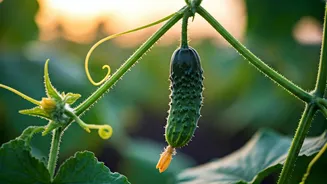
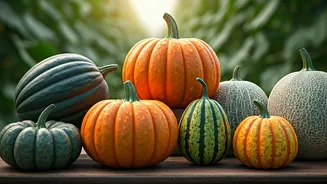
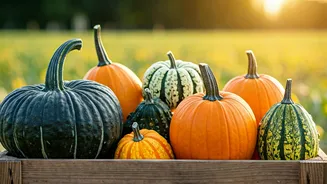
Dhillon passionately advocates for the significant, yet often overlooked, importance of cucurbits, a diverse group encompassing cucumbers, melons, watermelons, pumpkins, squashes, and gourds. He firmly believes that these vegetables are not just culinary staples but crucial sources of essential nutrients that many populations fail to consume in adequate quantities. By focusing on genetic improvement within this vegetable family, Dhillon aims to significantly contribute to bridging these dietary gaps and bolstering global nutritional security. Beyond their nutritional value, cucurbits play a vital economic role, particularly for farmers with small landholdings in developing countries, offering profitable cultivation opportunities. Furthermore, in the face of the escalating climate crisis, Dhillon highlights their role as a key component of crop diversification and adaptation strategies. The inherent resilience and adaptability of certain cucurbit varieties make them ideal candidates for cultivation across varied terrains and climates, providing a sustainable food source for a changing world. His research endeavors are thus deeply intertwined with efforts to alleviate rural poverty and enhance food system resilience.
Breeding Resilience
A cornerstone of Dhillon's extensive work involves developing cucurbit varieties that exhibit enhanced hardiness and resistance to a spectrum of agricultural challenges. Collaborating with teams at the World Vegetable Center, he has successfully bred pumpkins rich in beta-carotene and resistant to viruses, alongside bitter gourds fortified with inherent defenses against various bacteria, fungi, parasites, and insects. These advancements have been integrated into the global seed industry, with companies like East-West Seed commercializing Dhillon's innovative breeds, making them accessible in markets across Asia, including India and Pakistan. His methods involve identifying advantageous genes from wild cucurbit relatives, which possess natural resistance to pests, diseases, and extreme environmental conditions. These vital genes are then transferred into high-yielding varieties using sophisticated techniques like marker-assisted selection (MAS). Current research also focuses on improving the shelf life of gourds, squashes, pumpkins, and melons, while further bolstering their disease and drought resistance. An additional significant focus is the development of varieties that can thrive on dwarf vines, an important consideration for future greenhouse production and crop protection strategies.
A Breeder's Wishes
When reflecting on his impactful career, Dhillon articulates two primary wishes that underscore the complexities and aspirations within plant breeding. His foremost desire is for more accessible germplasm – the raw genetic material comprising seeds, tissues, and DNA – essential for continuous crop improvement and sustainability. He points out that current international treaties, designed to protect national sovereignty over genetic resources, often create significant bureaucratic hurdles for breeders seeking access to new genetic material. If he had a second wish, Dhillon would turn back time to impart the knowledge gained about the Green Revolution's long-term impacts to those in the 1960s. He acknowledges that while the Green Revolution brought initial benefits, its intensive farming practices have, in the long run, led to significant environmental consequences, such as depleted water tables and degraded soil health in regions ill-suited for water-intensive crops that became popular. Looking forward, Dhillon harbors a profound hope that the expanding global middle class will drive demand for more diverse and healthier diets, consequently fostering greater vegetable production and creating enhanced economic opportunities for all farmers.