





New Entry Fee Explained
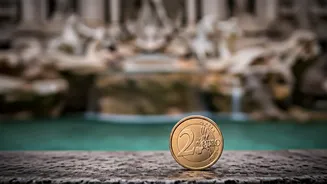
Visitors to Rome's world-renowned Trevi Fountain will now encounter a new €2 entrance fee, implemented on February 2nd, to regulate the large influx of
tourists and ensure the landmark's upkeep. This charge applies to anyone wishing to stand directly at the fountain's basin and toss a coin, a tradition deeply ingrained in the visitor experience. The fee is operational daily between 9 a.m. and 10 p.m. While the fee is modest, it represents a significant change for how one experiences this Baroque masterpiece. For those who prefer to admire the fountain from a distance, these views remain accessible without any charge. The intention behind this fee is multifaceted, aiming to reduce overcrowding and generate funds specifically for the preservation and enhancement of the fountain itself, ensuring its beauty endures for generations to come.
Exemptions and Ticket Purchase
While most visitors will need to pay the €2 fee, certain groups are exempt from this new requirement. Residents of Rome are not required to purchase a ticket, nor are children under the age of 5. Additionally, individuals with disabilities and their accompanying carers are also free to enter the fountain's immediate perimeter without charge. For those who need to pay, tickets can be secured through several convenient channels. Travelers can opt to buy them in advance online, at the city's various civic museums, from designated tourist information points, or through authorized local retailers. Alternatively, tickets are also available for purchase directly at the entrance to the fountain, offering flexibility for spontaneous visits.
Fee Rationale and Revenue
Rome's tourism assessor, Alessandro Onorato, views the €2 fee as a reasonable contribution, suggesting that similar landmarks in other major global cities would command significantly higher prices. He believes tourists will find the charge modest given the Trevi Fountain's historical and artistic importance. Officials estimate that these new fees, combined with a separate €5 ticket charge for entry into some museums, could generate an additional €6.5 million annually for the city. This revenue is earmarked for the protection and continued maintenance of cultural heritage sites, including the Trevi Fountain, which has undergone several restorations throughout its history, most recently in 2014. The collected funds underscore a commitment to preserving Rome's rich legacy.
Trevi's History and Traditions
The current iteration of the Trevi Fountain, a stunning example of Baroque art, was first built in the 1700s following a commission by Pope Clement XII. Over its long history, it has been a backdrop in countless films, cementing its status as a must-see attraction for anyone visiting the Eternal City. The enduring tradition of tossing a coin into the fountain is believed to ensure a return trip to Rome, with a second coin symbolizing romance or marriage. This popular ritual results in approximately $10,500 being collected weekly from the coins, all of which is donated to charitable causes, demonstrating the fountain's positive impact beyond tourism.