




Dahi's Cooling Reign
As temperatures climb across India, a significant dietary shift is underway, with traditional cooling staples like dahi (curd) experiencing unprecedented
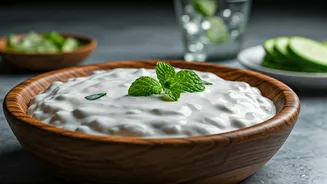
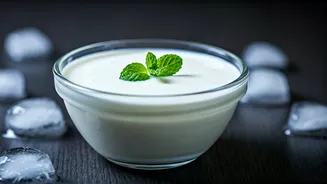
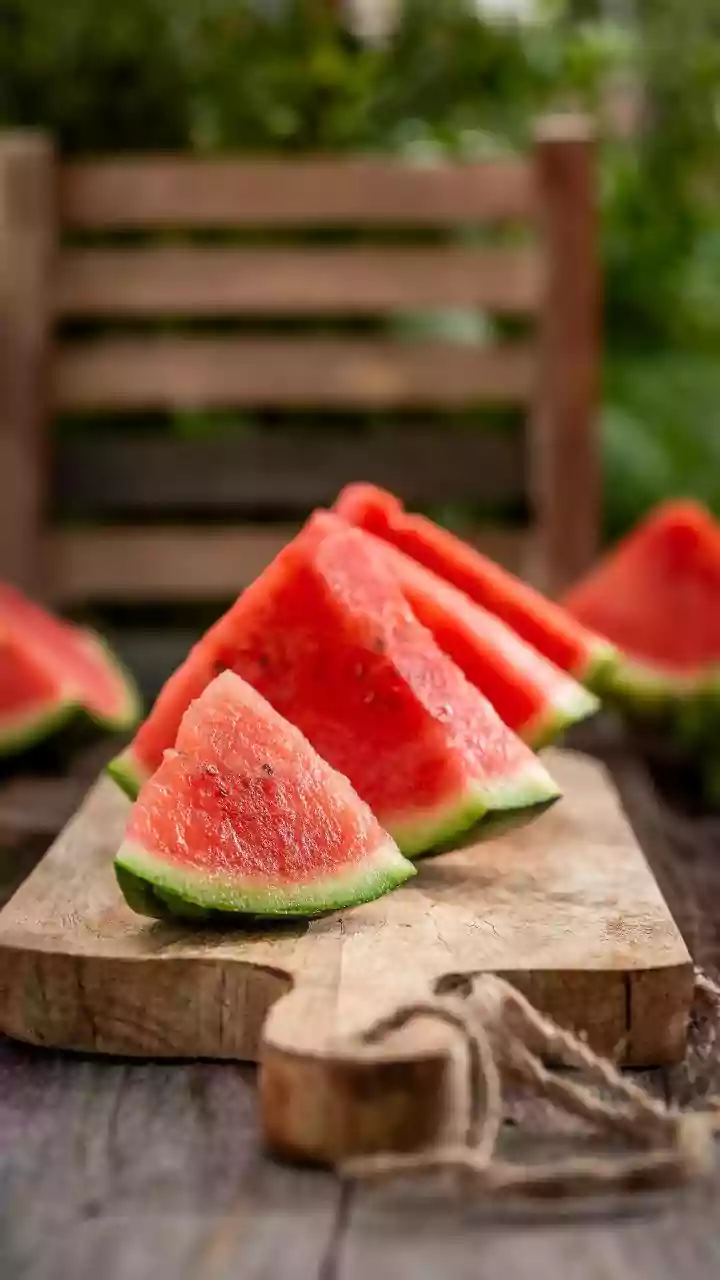
demand. Instamart's latest Summer Trends 2026 report highlights that dahi has become the most ordered item, a remarkable feat that rivals even the perennial favorites of cold drinks and ice cream. The data is striking: six out of the top ten most frequently purchased items on the platform are curd-based. This surge underscores a powerful consumer preference for time-tested, cooling food options during the sweltering months. Beyond dairy, there's also a noticeable uptick in the consumption of fresh, seasonal fruits. Watermelon, muskmelon, and mangoes are witnessing increased orders, signaling a growing inclination towards natural and wholesome food choices as the preferred way to beat the heat.
Heat Drives Cravings
The onset of rising temperatures in March and April has predictably triggered a substantial surge in demand for a variety of summer-specific food and beverage categories. Several items experienced week-on-week growth rates as high as 300 percent, clearly illustrating a direct correlation between ambient heat and consumer purchasing behavior. Mangoes, in particular, have seen a sharp increase in orders, alongside a heightened interest in cold coffees and various fizzy drinks, as well as fruit-based popsicles. These products collectively reflect a consumer response to hotter weather, seeking refreshment and indulgence. This trend suggests that as the mercury rises, so too does the appetite for specific types of treats and beverages designed to offer immediate relief and enjoyment during the summer season.
Ice Cream's Evening Peak
The late evening hours have firmly established themselves as the prime time for ice cream consumption across India. The period between 6 pm and 9 pm witnesses a more than twofold increase in ice cream orders, a trend that is further amplified on weekends. This ritualistic indulgence suggests that for many, ice cream serves as a comforting end-of-day treat, a moment of personal respite from the day's heat. When dissecting flavor preferences, chocolate remains the undisputed king, accounting for nearly a quarter of all ice cream orders. It significantly outpaces other popular choices such as vanilla, butterscotch, and mango ice cream. Geographically, Bengaluru has earned the title of India's ice cream capital, with Mumbai, Hyderabad, Chennai, and Pune following closely. However, when looking at per-user order volume, smaller cities like Central Goa, Thrissur, and Manipal show higher consumption rates, indicating a widespread and deeply ingrained love for ice cream across diverse urban and semi-urban landscapes.
Beverage Trends Evolve
India's beverage landscape is also undergoing a notable transformation this summer, with a distinct rise in the popularity of specific cooling drinks. Jeera masala sodas, cold coffees, and other cafe-style coolers are rapidly gaining traction, offering refreshing alternatives to traditional options. The data reveals impressive growth figures: jeera masala soda orders surged by an astounding 900 percent in March alone, while cold coffee saw an increase of nearly 700 percent. This indicates a strong consumer embrace of these spiced and chilled beverages. Alongside these modern favorites, classic Indian thirst-quenchers like coconut water, buttermilk, lassi, and milkshakes continue to perform well, registering significant growth. Similar to ice cream consumption, the demand for beverages peaks during the evening hours, specifically between 6 pm and 9 pm, highlighting a nationwide preference for refreshing drinks as a twilight indulgence.
Regional Tastes Diverge
While dahi maintains its widespread appeal across the nation as a universal cooling agent, regional preferences introduce a fascinating diversity into India's summer food baskets. In Ahmedabad and Rajkot, for instance, consumers exhibit a preference for a balanced combination of buttermilk, ice cream, and soft drinks. Bengaluru and Mumbai, on the other hand, lean heavily towards fruit-centric orders, with watermelon and muskmelon being particularly popular choices. Chandigarh stands out with a notable demand for lassi, positioning it as a key staple in its summer diet. Chennai and Kochi also show a strong affinity for muskmelon and watermelon. Delhi and Lucknow's consumption patterns are led by buttermilk, while Hyderabad and Pune present a more eclectic mix, featuring fruits, curd, and various beverages. These variations underscore how local traditions and palates shape the quintessential Indian summer diet, even as certain staples transcend regional boundaries.
Peak Summer Spenders
Analyzing spending habits provides further insight into how Indians are preparing for and indulging in the summer season. An individual in Guntur demonstrated significant investment in summer essentials, spending over Rs 15,000, with a substantial portion allocated to energy drinks and rechargeable mini-fans, indicating a focus on both personal comfort and sustained energy. In Central Goa, another shopper made extensive purchases totaling over Rs 11,600, prioritizing coconut water, kulfi, mangoes, and cool drinks, reflecting a desire for hydration and traditional cooling treats. High spending was also observed in Bengaluru, Hyderabad, and Kolkata, where user carts exceeded Rs 10,000, combining items like cold coffee, buttermilk, mangoes, yogurt, and ice cream. These combined purchases highlight a multifaceted approach to summer, balancing the need for hydration, the enjoyment of seasonal indulgences, and the comfort of familiar favorites.
Mango Season Arrives
The arrival of mangoes is an indispensable part of any Indian summer, and this year is no exception. Although the renowned Alphonso mango season is just beginning, the report indicates that Sindhu mangoes have emerged as the most frequently ordered variety thus far. Demand for Banganapalli and raw mangoes is also robust, showcasing a diverse appreciation for different types of this beloved fruit. Interestingly, the fastest growth in mango orders is originating from smaller cities, including Kozhikode, Madurai, Trichy, Visakhapatnam, and Nellore, suggesting a widening reach of mango consumption beyond major metropolitan areas. Bengaluru leads in overall mango consumption, surpassing even the combined figures of Hyderabad and Chennai. However, cities like Thanjavur, Pondicherry, and Mangaluru are also experiencing significant demand, with Delhi and Gurgaon rounding out the list of top mango-loving urban centers, underscoring the fruit's national appeal.