






Nature's Healing Embrace
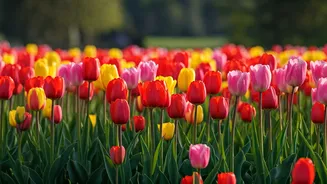
In a heartwarming initiative, young patients undergoing cancer treatment at SKIMS in Srinagar were treated to a special visit to the breathtaking Tulip
Garden. This unique outing, championed by Prof. M. Ashraf Ganie, was designed not just as a recreational activity but as a therapeutic intervention. The core idea behind this visit was to leverage the positive impact of nature and scenic beauty on the emotional well-being of these resilient children. By immersing themselves in the vibrant colors and serene atmosphere of the garden, the children experienced a significant reduction in stress, which, in turn, is believed to positively influence their immune systems. The visit was meticulously planned to coincide with their treatment schedules, ensuring no disruption to their ongoing chemotherapy while providing a vital break from the hospital environment. Approximately a dozen children, aged between 4 and 18 years, participated, accompanied by a dedicated medical team comprising senior faculty, medical officers, and resident doctors, all focused on ensuring the youngsters' safety and comfort throughout the day.
A Boost for Immunity
The therapeutic visit to the Tulip Garden was more than just a picturesque outing; it was a deliberate strategy to enhance the children's overall health, particularly their immune function. SKIMS Director Prof. M. Ashraf Ganie articulated the scientific rationale, explaining that such uplifting outdoor experiences stimulate the hypothalamic-pituitary-adrenal (HPA) axis. This stimulation is crucial for fostering emotional resilience and positivity, which are integral components of healing. He emphasized that the body's natural immunity plays a vital role in combating not only infections but also cancer cells. By boosting the children's morale and positive outlook, the treatments become more effective, creating a synergistic effect between medical intervention and mental fortitude. The presence of a specialized medical team ensured that the children felt secure and cared for, further contributing to their positive experience. The Department of Floriculture's support, offering complimentary entry and refreshments, facilitated a seamless and enjoyable event for all involved.
Moments of Joy
The journey from the hospital to the Tulip Garden was transformed into a memorable experience of joy and discovery for the young patients. As the bus carrying the children moved along the scenic route beside Dal Lake, a palpable sense of excitement grew. Although many children were initially quiet, often masked, their faces lit up with wonder and delight upon entering the garden and being surrounded by the myriad of blooming tulips. These were moments of respite from the often challenging reality of hospital stays, offering a rare opportunity for genuine smiles and shared happiness. The sight of the children engaging with their surroundings, capturing precious memories, underscored the profound impact of such outings. Doctors accompanying the group observed immediate improvements in the children's moods, noting their happiness and renewed sense of hope. This event served as a powerful reminder that even amidst adversity, moments of beauty and joy can significantly contribute to a patient's recovery journey and provide reassurance to both the children and their families.
Future Aspirations
This inaugural therapeutic garden visit has laid the groundwork for future endeavors aimed at extending nature's healing benefits to a broader group of patients. SKIMS plans to expand this initiative to include more cancer survivors and children managing chronic conditions such as diabetes. The success of this outing reinforces the belief in the holistic approach to healthcare, where mental and emotional well-being are considered as vital as physical treatment. By incorporating such nature-based therapies, the institution aims to create a more supportive and nurturing environment for all its patients. The vision is to integrate these positive outdoor experiences into the broader care plans, offering a consistent source of comfort, hope, and strength. The hope is that these experiences will not only aid in recovery but also foster a lifelong appreciation for the therapeutic power of the natural world, demonstrating that happiness and resilience can flourish even in the face of significant health challenges.