




Welcome the Season
Makar Sankranti is a significant Hindu festival celebrated across India, marking the transition of the sun into Capricorn (Makara). It typically falls
on January 14th, though the date may vary slightly. The festival symbolizes the end of the winter solstice and the beginning of longer days, representing new beginnings and a fresh start. Makar Sankranti is also known by various names such as Pongal in Tamil Nadu, Uttarayan in Gujarat, and Bihu in Assam, each with its unique customs and traditions. Central to the celebration are special foods that reflect the season's bounty, particularly those made with sesame seeds (til) and jaggery (gur), believed to provide warmth and energy during the winter months. The festival encourages community gatherings, kite flying, and sharing of festive dishes among families and friends, fostering a sense of unity and joy.
Til Ladoo: Sweet Tradition
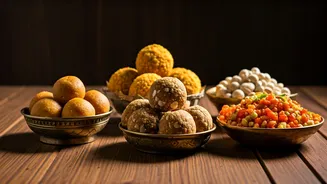
Til Ladoo, or sesame seed balls, is a quintessential Makar Sankranti sweet. To prepare this classic treat, you will need sesame seeds, jaggery, and a touch of cardamom for flavor. Begin by dry roasting the sesame seeds until they turn golden and fragrant. Next, melt the jaggery in a pan, ensuring it doesn't burn. Once melted, remove from heat and add the roasted sesame seeds and cardamom powder, mixing well. Allow the mixture to cool slightly before forming small balls. This recipe is simple, requiring minimal ingredients and effort, making it ideal for those seeking a quick and traditional sweet. Til Ladoo symbolizes the sweetness of the season, promoting goodwill and happiness among people. The warm and nutty flavor of sesame seeds, combined with the rich sweetness of jaggery, makes Til Ladoo a beloved treat across India during Makar Sankranti.
Peanut Chikki: Cracking Joy
Peanut chikki is another popular Makar Sankranti snack that combines the crunch of peanuts with the sweetness of jaggery. For this recipe, you need peanuts, jaggery, and a bit of ghee to prevent sticking. Start by dry roasting the peanuts until they become crispy and the skin loosens. Next, melt the jaggery until it bubbles and forms a syrup. Add the roasted peanuts and mix thoroughly. Pour the mixture onto a greased surface and spread it evenly. Once it cools down, cut it into desired shapes. Peanut chikki is not only delicious but also a great source of protein, making it a healthy indulgence during the festive season. The combination of peanuts and jaggery provides warmth, energy, and a delightful treat that everyone can enjoy. It is a perfect snack for energy and sharing during the festivities.
Gujarati Undhiyu: Festive Blend
Undhiyu is a traditional Gujarati mixed vegetable dish, often cooked upside down in earthen pots during Makar Sankranti. The dish features a medley of seasonal vegetables and spices, creating a flavorful and aromatic experience. While making undhiyu can be time-consuming, the effort is well worth it for the rich taste it offers. Vegetables commonly used in undhiyu include eggplant, potatoes, green beans, and different types of beans, all seasoned with a special masala blend. The unique cooking method, typically involving slow cooking over low heat, infuses the vegetables with the flavors of the spices and creates a distinct, earthy taste. Traditionally, undhiyu is served with hot puris and jalebis, making it a complete and satisfying meal. The preparation of undhiyu symbolizes the abundance of the harvest and the joy of community celebrations.
Khichdi: Simple Comfort
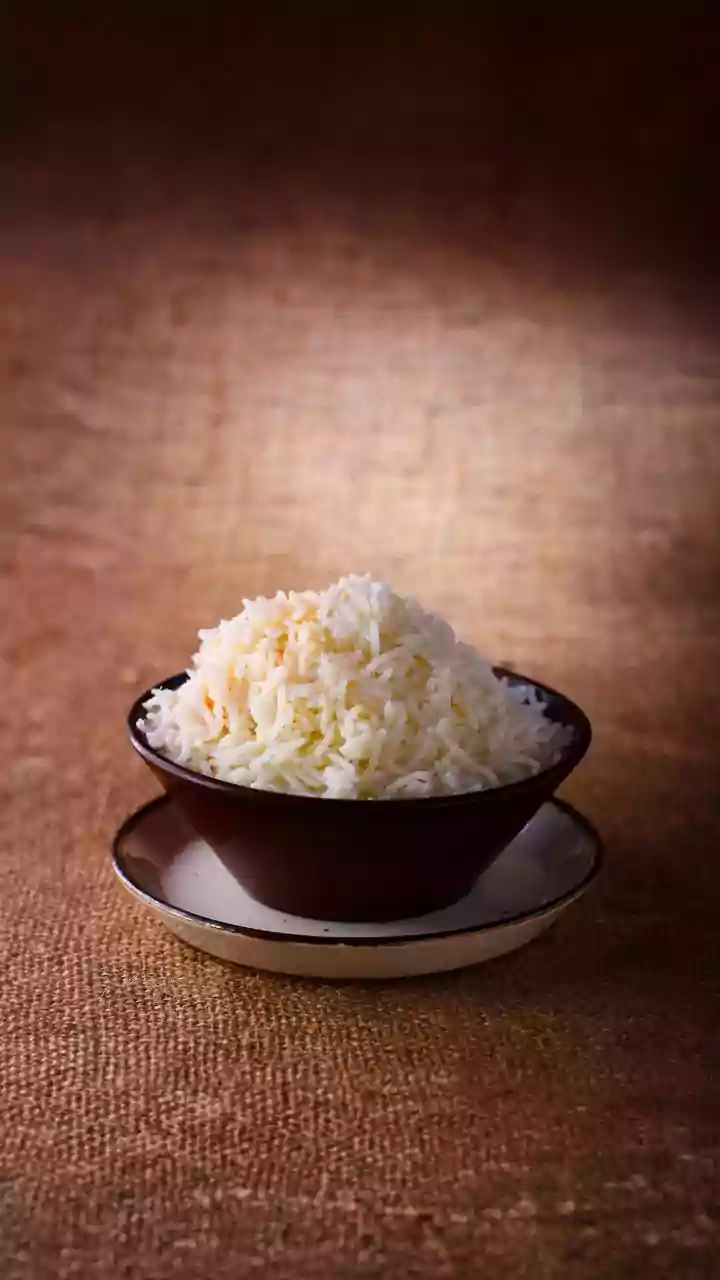
Khichdi, a comforting dish made with rice and lentils, is often enjoyed during Makar Sankranti. The ingredients are simple – rice, lentils (usually moong dal), and a selection of spices. To prepare khichdi, combine the rice, lentils, and spices in a pressure cooker or pot with water. Cook until the rice and lentils are soft and well-combined. Khichdi can be customized with various vegetables and spices to enhance its flavor. The simplicity of khichdi makes it a great dish for all ages and a perfect way to balance the richness of other festive foods. It represents the importance of a balanced and nutritious diet, providing comfort and sustenance during the celebrations. Khichdi is often served with ghee, pickle, and papad, adding extra flavors to the meal.
Sweet Pongal: South Indian Treat
In South India, particularly in Tamil Nadu, Pongal is the name of both the festival and the sweet dish prepared during Makar Sankranti. Sweet Pongal, also known as Chakkara Pongal, is made with rice, moong dal, jaggery, milk, and nuts. The preparation of Pongal starts with boiling rice and lentils with milk. Once cooked, add jaggery and stir until it melts and blends well. Garnish with roasted nuts, such as cashews and raisins. The ritual of cooking Pongal, where the overflowing pot symbolizes abundance and prosperity, is a key part of the festivities. The sweet, creamy texture of Pongal, combined with the flavors of jaggery and nuts, makes it a delightful treat. Sweet Pongal is shared among family and friends as a symbol of unity and good fortune, embodying the spirit of Makar Sankranti.