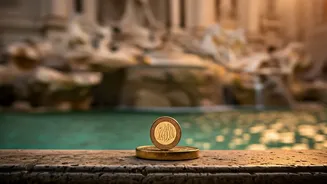







New Entry Requirement
As of February 2nd, navigating the crowds at the front of Rome's world-renowned Trevi Fountain now comes with a nominal charge. Visitors and non-residents
are required to purchase a ticket costing €2 (approximately $2.36) to access the immediate vicinity of the fountain's basin. This new regulation is in place daily from 9 a.m. to 10 p.m. and aims to manage the significant influx of tourists and improve the visitor experience at this historic landmark. While the close-up view now has a fee, appreciating the fountain's grandeur from a distance remains a free activity for all.
Ticket Purchase and Exemptions
For those planning to pay the €2 fee, tickets can be secured in various ways to ensure a smooth visit. Options include purchasing them in advance through the city's civic museums, at official tourist information points, from authorized retailers, or directly at the fountain's entrance. Rome's authorities have established specific exemptions to this new fee. Residents of Rome, young children aged up to 5 years old, and individuals with disabilities, along with their designated carers, are not required to pay for entry. This ensures that the fee primarily targets the large volume of international tourists visiting the landmark.
Reasoning Behind the Fee
The introduction of the Trevi Fountain entrance fee is primarily driven by the need to better preserve and maintain this invaluable piece of Roman heritage. Officials emphasize that the €2 charge is a moderate sum, especially considering the artistic and historical significance of the site. Rome's Assessor of Tourism, Alessandro Onorato, believes the fee is a reasonable request, suggesting that similar attractions in other major global cities would likely incur much higher costs. Beyond the Trevi Fountain, Rome is also implementing a new €5 ($5.90) tourist ticket for entry into select museums, with officials projecting an additional €6.5 million ($7.6 million) annually from these new tourist charges.
Historical Context and Traditions
The current iteration of the Trevi Fountain, a masterpiece of Baroque art, was originally constructed in the 1700s, following a commission by Pope Clement XII. It has undergone significant restoration efforts, including major work from 1989 to 1991 and again in 2014, to preserve its intricate details. This celebrated landmark has been immortalized in numerous films, making it an essential stop for visitors to the 'Eternal City.' The enduring tradition of tossing a coin into the fountain, famously believed to ensure a return to Rome, continues to captivate visitors. Lore also suggests a second coin brings romance, and a third, marriage. The popularity of this ritual is evident, with approximately $10,500 collected weekly from tossed coins, all of which are donated to charity.