







Why Detox After Parties
The period following festive celebrations often involves a shift in dietary habits, usually including richer, heavier meals and perhaps increased consumption
of alcohol or processed foods. This can lead to a feeling of sluggishness or other discomforts. A short, well-structured detox program provides a strategic opportunity to support the body’s natural processes of detoxification. It aids in gently removing potential toxins, replenishing nutrients, and revitalizing overall well-being. This is not about deprivation, but about intentional choices that can assist the body in regaining its equilibrium and preparing for a healthier lifestyle in the coming year. It allows one to return to a more balanced state of health after the revelry.
Day 1: Gentle Start
Day 1 is all about gradually easing your digestive system back into a more balanced state. The focus is on providing easily digestible foods and ample hydration. Start the day with a large glass of warm water with lemon to kickstart your metabolism. Throughout the day, choose fresh fruits like berries, which are high in antioxidants, or other soft fruits that are easy on the stomach. Consume clear broths, vegetable soups, and herbal teas. Avoid heavy, processed foods, and opt for small, frequent meals to keep your energy levels steady. The aim for the first day is to gently encourage your body’s natural detoxifying processes, rather than pushing it into extreme measures.
Hydration is Key
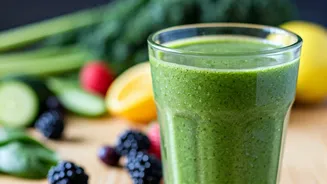
At the heart of any effective detox program is hydration. Water is vital for flushing out toxins, supporting digestion, and maintaining proper bodily functions. It's recommended to drink plenty of water, at least eight glasses daily. Infused water with fruits like cucumber, berries, or mint can also make hydration more enjoyable. Alongside water, herbal teas, especially those with detoxifying properties, can be beneficial. Avoid sugary drinks and excessive caffeine. Proper hydration ensures your body’s elimination pathways are clear and efficient. The key principle is to consistently provide your system with the fluid it needs to function at its peak during the detox.
Day 2: Veggies & Water
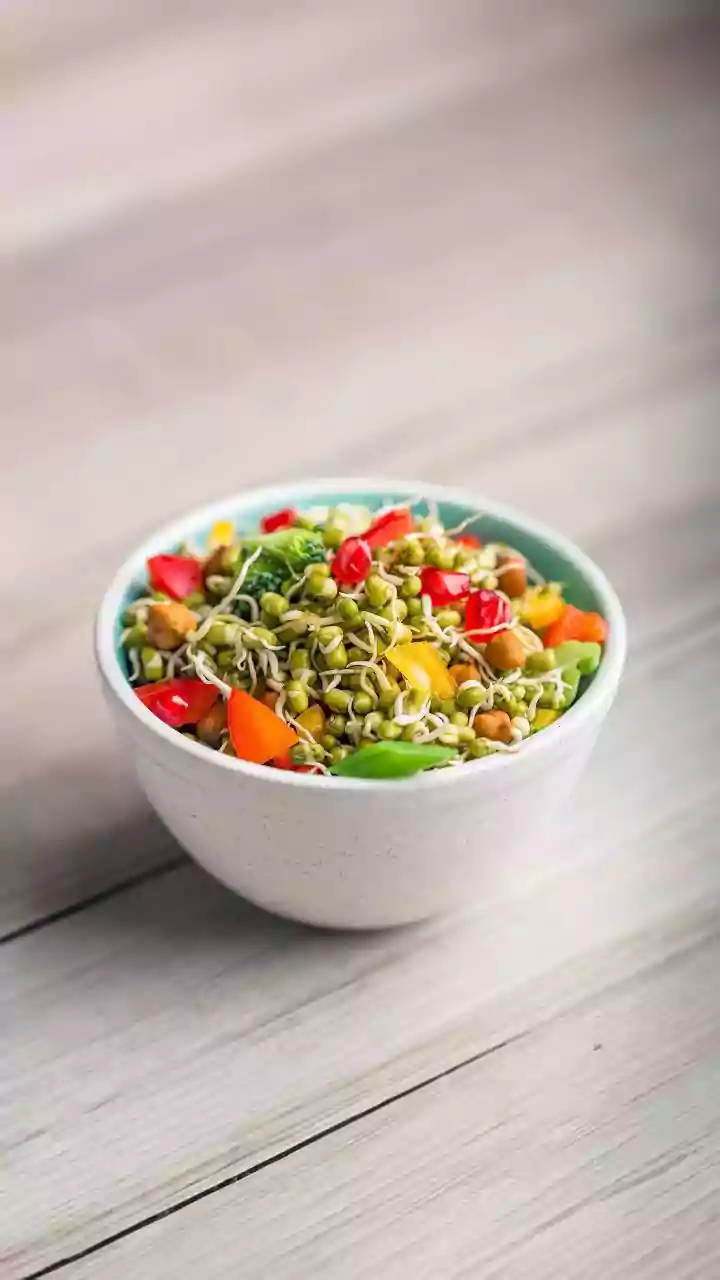
Day 2 maintains the focus on cleansing with a strong emphasis on vegetables and continuous hydration. The diet should be rich in non-starchy vegetables such as leafy greens, broccoli, and bell peppers. These vegetables offer essential vitamins, minerals, and fiber to support detoxification. Incorporate them in salads, steamed dishes, or as part of a vegetable-based soup. Continue drinking plenty of water, and consider adding herbal teas like dandelion or milk thistle, which are known for their liver-supporting benefits. Avoid processed foods, heavy meats, and dairy products. This is the day to embrace the power of plant-based nutrients and maximize hydration.
Foods to Avoid
During the 3-day detox, several food groups should be minimized or completely avoided. These include processed foods, which often contain high levels of sodium, unhealthy fats, and artificial additives. Refined sugars, found in desserts and sweetened beverages, can hinder the detox process by causing blood sugar spikes and crashes. Heavy meats, fried foods, and dairy products can be difficult to digest and place unnecessary strain on the body. Instead, focus on fresh, whole foods that support detoxification and provide essential nutrients. Carefully planning your meals will help you steer clear of the less beneficial items and make sure you have the best results.
Day 3: Reintroduce Protein
On Day 3, you can start gently reintroducing light protein to provide your body with essential building blocks. Incorporate small portions of lean protein sources, such as grilled fish, skinless chicken breast, or plant-based proteins like tofu or legumes. Continue eating plenty of vegetables and drinking water. Focus on balanced meals that combine protein, fiber, and healthy fats. This day is about re-establishing balance. Avoid heavy, processed foods. Listen to your body and adjust your food intake accordingly. It is a transition day from detox to a healthier way of eating.
Signs You Need Detox
Recognizing the signals your body is sending is crucial for determining if a detox is appropriate. Common indicators include fatigue or low energy levels, which can be a sign of toxin buildup. Digestive issues, such as bloating, constipation, or irregular bowel movements, also indicate that your system might benefit from a reset. Skin problems, like acne or dull complexion, could suggest the body is struggling to eliminate toxins through the skin. Headaches, particularly those that are persistent or unexplained, may also be a symptom. If you experience these symptoms, a short detox can provide much-needed support for the body.
What to Eat/Drink Day 1
On the initial day, the focus should be on easily digestible and hydrating options to gently kickstart the detox process. Start with warm water and lemon, followed by a breakfast of fresh berries. For lunch, a clear vegetable soup can be an excellent choice, providing essential nutrients without overburdening your system. Throughout the day, drink herbal teas like ginger or chamomile, and snack on small portions of soft fruits or a handful of nuts if necessary. Avoid any heavy foods or sugary drinks. The aim is to create a foundation for effective detoxification by providing gentle, supportive nutrition.
What to Eat/Drink Day 2
On Day 2, emphasize vegetables and hydration to facilitate the detox. Plan your meals around a variety of non-starchy vegetables like leafy greens, broccoli, and bell peppers, consumed as salads or lightly cooked dishes. Ensure that you have a constant intake of water and consider drinking herbal teas that support liver function. Steer clear of any processed foods, heavy meats, and dairy products. The goal is to maximize the intake of plant-based nutrients while supporting the body's natural cleansing mechanisms. These food choices are essential to ensuring that your body gets the right nutrients, while staying away from the ones that create stress.
What to Eat/Drink Day 3
On Day 3, it's time to reintroduce a light amount of protein for overall balance. Include lean protein options such as grilled fish, skinless chicken breast, or plant-based proteins like tofu or legumes. Continue the emphasis on vegetables and sufficient hydration. Design meals that incorporate a balance of protein, fiber, and healthy fats. Stay away from heavy foods or processed items. This day is designed to facilitate the shift from detox to a healthier way of eating. By carefully choosing what you consume, you help your body by offering the right nutrients and staying away from ingredients that may create unwanted stress.