





Legacy Waste Woes
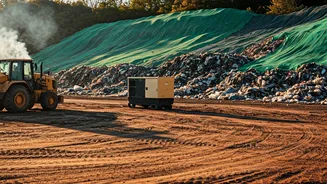
The Mulund dumpsite, a sprawling area of 60 acres, has been a repository for Mumbai's waste since 1968. By the time operations ceased, it was burdened
with an immense 70 lakh metric tonnes of legacy waste, creating mountainous heaps that reached an average height of 30 meters. The monumental task of clearing this site was initiated in 2018 following a court order to cease further dumping. This ambitious project, costing Rs 558.6 crore at Rs 798 per tonne, was initially slated for completion within five years. Despite significant progress, with approximately 65 lakh metric tonnes already removed, a substantial portion of this decades-old waste still remains, presenting a formidable environmental challenge.
Fuel Crisis Impact
The progress of the bio-remediation work at the Mulund dumpsite has been severely hampered for almost a month, directly attributable to a widespread fuel supply crisis. This scarcity, exacerbated by ongoing geopolitical events in West Asia, has crippled the operations of heavy vehicles essential for transporting extracted solid waste. Contractors have officially communicated to civic authorities that the lack of diesel has disrupted their ability to mobilize the necessary machinery. Consequently, the daily processing capacity has plummeted, with only about 10-12 trucks, each with a limited capacity of 20-25 metric tonnes, currently operational, a stark contrast to the usual daily processing of an average of 10,000 metric tonnes.
Timeline Uncertainty
The ongoing fuel shortage has thrown the project's timeline into further disarray, with contractors formally requesting an extension to meet the completion deadline. While the Municipal Corporation of Greater Mumbai (BMC) has not yet officially granted any extension, the stated intention remains to conclude the process by the end of the current month. However, given the current operational limitations, achieving this goal appears increasingly challenging. The project has already experienced multiple postponements; the last stipulated deadline was in February of this year, which was subsequently pushed to April, highlighting the persistent hurdles in clearing this vast legacy waste site.