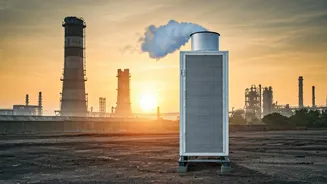

AQI at Critical
The air quality index (AQI) in Delhi recently reached a concerning level of 498, indicating a 'Severe' category. This signifies a grave threat to public
health. This alarming situation necessitates immediate and decisive action from authorities. The 'Severe' AQI designation is a cause for substantial concern, prompting the enforcement of stringent measures. This will assist in controlling and mitigating the adverse effects of air pollution. Such a high AQI highlights the pressing need for effective interventions. These interventions aim to safeguard the well-being of Delhi's residents.
GRAP-IV Restrictions Initiated
In response to the deteriorating air quality, GRAP-IV restrictions have been implemented. GRAP-IV, or the 'Graded Response Action Plan,' outlines a series of measures triggered by various pollution levels. The current implementation signifies that pollution levels have crossed a critical threshold, requiring drastic steps. These restrictions encompass a range of actions designed to reduce emissions and improve air quality. They may include halting construction activities and enforcing stringent regulations on polluting industries. The aim is to curb pollution and mitigate the adverse impacts on public health, especially for vulnerable groups.
No PUC, No Fuel
In an effort to control pollution, the 'No PUC, No Fuel' rule has been enacted. This directive stipulates that vehicles without a valid Pollution Under Control (PUC) certificate will be denied fuel. The implementation of this rule aims to encourage vehicle owners to maintain their vehicles and ensures that only those meeting emission standards are on the roads. This move is a crucial step towards reducing vehicular emissions, a significant contributor to Delhi's air pollution. The strategy seeks to reduce the volume of polluting vehicles and improve overall air quality.
WFH and Vehicle Bans
As part of the strategy to reduce pollution, the government has enforced a 50% Work From Home (WFH) policy and implemented new vehicle bans. The WFH measure requires half of the workforce to work remotely, thus lessening the number of vehicles on the roads. In conjunction with this, new restrictions on vehicle usage are in place to limit emissions from older and polluting vehicles. The aim is to significantly decrease the number of vehicles contributing to pollution, particularly during peak hours. These measures are designed to curb emissions and improve air quality for all residents. The WFH and vehicle bans offer multiple benefits, including reduced traffic congestion and better air quality.
Seeking Relief Measures
Alongside the stringent restrictions, efforts are underway to provide relief to the affected population. This includes disseminating information on health advisories and promoting awareness about the impact of pollution. Providing accessible resources and offering assistance is essential in mitigating the effects of poor air quality. Initiatives include establishing air quality monitoring stations and implementing public health campaigns. The goal of this is to keep the public informed and to assist them in safeguarding their health during periods of elevated pollution. These comprehensive efforts show a commitment to address the crisis from multiple angles.