





Sweet and Savory Pairings
Uttar Pradesh's 'One District, One Cuisine' initiative has meticulously curated a list of regional specialties, aiming to elevate their prominence. Agra,
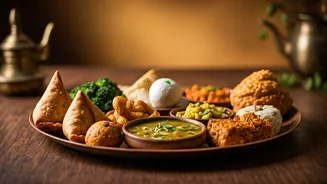
for instance, is celebrated for its iconic petha and dalmoth, while Firozabad brings to the forefront its renowned tikki and kachori. Ayodhya contributes its unique kulhad dahi-jalebi, a delightful combination often served in traditional earthen pots. Mau is recognized for the flavorful litti-chokha, a rustic dish popular in eastern India. The list also prominently features Aligarh, which is associated with its dairy products and kachori, and Hathras, known for food infused with asafoetida (hing) and khurchan. Kasganj has been earmarked for its moong dal halwa and snacks crafted from singhada flour, showcasing a diverse range of traditional sweets and savory items. These selections highlight the government's intention to bolster these culinary traditions through improved branding, packaging, and expanded market access, ensuring these age-old tastes reach a wider audience.
Central UP's Delicacies
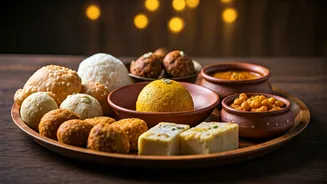
The heart of Uttar Pradesh is richly represented in this culinary lineup, with several districts contributing their signature dishes. Ayodhya shines not only for its kulhad dahi-jalebi but also for its peda, a dense milk-based sweet. Sultanpur also features its own version of peda, highlighting the regional variations of this popular sweet. Barabanki is recognized for its chandrakala, a layered sweet pastry, while Amethi is noted for its samosas and an assortment of jaggery-based sweets, showcasing the district's mastery in confectionery. Further east, Ambedkar Nagar is acknowledged for its batasha, a type of sugar candy, and various khoya preparations, which are dense milk solids used in many Indian desserts. This section emphasizes the variety of sweet treats and snacks that define the culinary landscape of central Uttar Pradesh, as identified by the 'One District, One Cuisine' program, aiming to boost their appeal and availability.
Eastern Flavors and Aromas
Eastern Uttar Pradesh is a treasure trove of distinct flavors, and the 'One District, One Cuisine' initiative has captured some of its most celebrated tastes. Azamgarh is set to gain recognition for its teheri, a flavorful rice dish, and its delicious carrot halwa. Ballia's culinary identity is tied to its sattu-based dishes, utilizing roasted gram flour for various savory and sweet preparations. Mau, as mentioned earlier, is celebrated for litti-chokha, a staple in the region. Varanasi, a city renowned for its spiritual significance and rich culture, also boasts a diverse culinary contribution, including tiranga barfi (a tri-colored sweet), thandai (a refreshing milk-based drink), lassi (yogurt-based drink), kachori, and the world-famous Banarasi paan. Jaunpur is highlighted for its imarti, a syrupy, flower-shaped sweet. These selections aim to create a strong regional identity for these dishes, fostering economic growth and preserving culinary heritage.
Western UP's Treats
The western part of Uttar Pradesh brings its own set of unique culinary contributions to the 'One District, One Cuisine' list. Meerut is celebrated for its revdi and gajak, popular winter sweets made from sesame seeds and jaggery. Ghaziabad will focus on promoting its papad-based preparations, a versatile snack enjoyed across India. Noida is recognized for its bakery products, indicating a blend of traditional and modern influences. Hapur's papad also finds a place on the list, underscoring the regional significance of this crispy flatbread. Bulandshahr is noted for its kachori and peda, adding to the array of these popular items across the state. Baghpat will be associated with its balushahi and ghewar, both traditional Indian sweets known for their rich texture and taste. This segment of the list showcases the diverse snacking and sweet traditions of western UP, poised for wider recognition.
Diverse Selections and Omissions
The initiative encompasses a wide array of other notable entries, reflecting the breadth of Uttar Pradesh's culinary landscape. Prayagraj is recognized for its kachori, samosa, and rasmalai, offering a mix of popular snacks and desserts. Fatehpur contributes its bedmi puri and various sweets, while Kaushambi is highlighted for its jaggery-based products, a testament to the region's agricultural bounty. Pratapgarh's amla (Indian gooseberry)-based items are also on the list, emphasizing health and traditional remedies. Saharanpur is tagged for its honey-based products, Muzaffarnagar for its jaggery sweets, and Shamli for its jaggery-based snacks. However, the list has faced criticism for omitting several iconic non-vegetarian dishes, such as Lucknow's famous Tunday and Galouti kebabs, Awadhi biryani, and nihari, as well as Rampur's mutton korma and seekh kebabs. This selective approach has led some food historians to describe the initiative as 'half-baked' and potentially discriminatory.