









Understand Your Body
Embarking on a weight gain journey necessitates a foundational understanding of why you might be underweight. This involves consulting with healthcare
professionals, such as nutritionists and family doctors, to accurately diagnose the underlying causes. These reasons can range from inconsistent eating patterns and prolonged gaps between meals to poor food choices, insufficient calorie intake relative to expenditure, or even underlying medical conditions affecting nutrient absorption. Identifying the root cause is paramount for developing a targeted and effective weight gain plan, ensuring that your efforts are directed towards sustainable and healthy outcomes, rather than simply addressing symptoms.
Fuel for Growth
The common Indian advice to 'eat anything and everything' when underweight is a misconception that needs to be dispelled. Sustainable and healthy weight gain is achieved through a gradual increase in daily calorie intake, typically by adding around 500 kcal per day, which can lead to approximately 0.5 kg gain weekly. However, this rate is highly individual, influenced by factors such as metabolism, gender, current weight, and height. Prioritizing nutrient-dense foods over empty calories is crucial. This approach ensures that the weight gained is primarily lean mass and beneficial fat, rather than unhealthy visceral fat that can contribute to health issues like diabetes and thyroid imbalances. A balanced diet rich in proteins, healthy fats, and complex carbohydrates forms the cornerstone of this strategy.
The Role of Exercise
Contrary to the belief that minimal physical activity is best for underweight individuals, regular exercise is vital for healthy weight gain. Neglecting exercise can lead to an accumulation of unsightly and unhealthy visceral fat, particularly around the abdomen, which is a precursor to metabolic health problems. A well-rounded fitness regimen should incorporate a combination of cardiovascular exercises for overall health, strength training to build lean muscle mass, and flexibility exercises. This balanced approach ensures that the body develops proportionally and healthily, preventing muscle weakness and promoting functional strength. Consistency in exercise is key to stimulating muscle growth and improving the body's ability to utilize nutrients effectively.
Strength Training Focus
To effectively increase lean body mass, which is the weight of your body excluding fat, engaging in rigorous weightlifting is essential. Compound exercises that involve multiple muscle groups simultaneously are particularly effective. These include fundamental movements such as squats, deadlifts, presses (bench press, overhead press), pull-ups, rows, and dips. These exercises not only stimulate significant muscle fiber growth but also trigger beneficial hormonal responses within the body, further aiding in muscle development and recovery. For beginners, a structured program like the 5x5 routine for squats, presses, and deadlifts, performed consistently throughout the week (e.g., on alternate days), can be highly effective. Gradually increasing the weight lifted in each session is crucial for continuous progress and muscle hypertrophy.
Nutritional Foundations
The market is rife with weight-gain supplements, many of which promise rapid results but often contain synthetic nutrients that can be detrimental to long-term health. It is imperative to consult with a nutritionist or physician before considering any supplements, as they should only complement a well-established dietary plan. A healthy diet must provide adequate macronutrients: proteins, fats, and carbohydrates. Incorporating whole foods such as nuts, seeds, and dairy products, while strictly limiting alcohol consumption, will accelerate healthy weight gain. Prioritizing nutrient-dense foods over processed options is key to achieving lasting results and maintaining overall vitality. The focus should always be on building a solid nutritional base from natural sources.
Heart-Healthy Choices
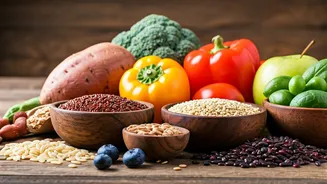
In the pursuit of weight gain, it's easy to fall into the trap of consuming foods that are high in unhealthy fats, which can negatively impact cardiovascular health. Instead, the focus should be on integrating healthy fats and nutrient-rich snacks into your diet. Options like nuts, dried fruits, fresh fruits, and roasted chickpeas are excellent choices for gaining weight healthily. Additionally, including foods like multi-grain breads, soy sticks, hummus, and peanut butter provides essential proteins and healthy fats. Opting for fiber-rich foods also supports digestion and nutrient absorption. The key is to gradually increase appetite and energy intake through wholesome, calorie-dense foods that nourish the body.
Mindful Eating Habits
A prevalent myth for individuals aiming to gain weight is the idea that consuming large quantities of food, especially junk food, will yield positive results without consequence. This approach is misguided and can lead to an unhealthy accumulation of fat and nutritional deficiencies. A more effective strategy involves dividing daily meals into smaller, more frequent portions throughout the day. This approach helps manage hunger effectively and prevents overeating. The emphasis should be on selecting calorie-dense, nutrient-rich foods rather than those laden with unhealthy fats and sugars. Consuming excessive junk food, even in smaller quantities, carries the same risks of lifestyle diseases as being overweight.
Smart Indulgence
When aiming for weight gain, the concept of 'indulgence' needs careful consideration. While it's common to hear advice for underweight individuals to consume excessive sweets, this can lead to a significant increase in visceral fat (fat surrounding vital organs) and hinder the absorption of other essential nutrients. The primary concern for individuals seeking to gain weight healthily is to ensure that the added weight is distributed evenly and contributes to lean muscle mass, rather than accumulating disproportionately in undesirable areas. Mindful indulgence, focused on nutrient-rich, calorie-dense foods, is the key to achieving a balanced and healthy physique.
Protein and Meats
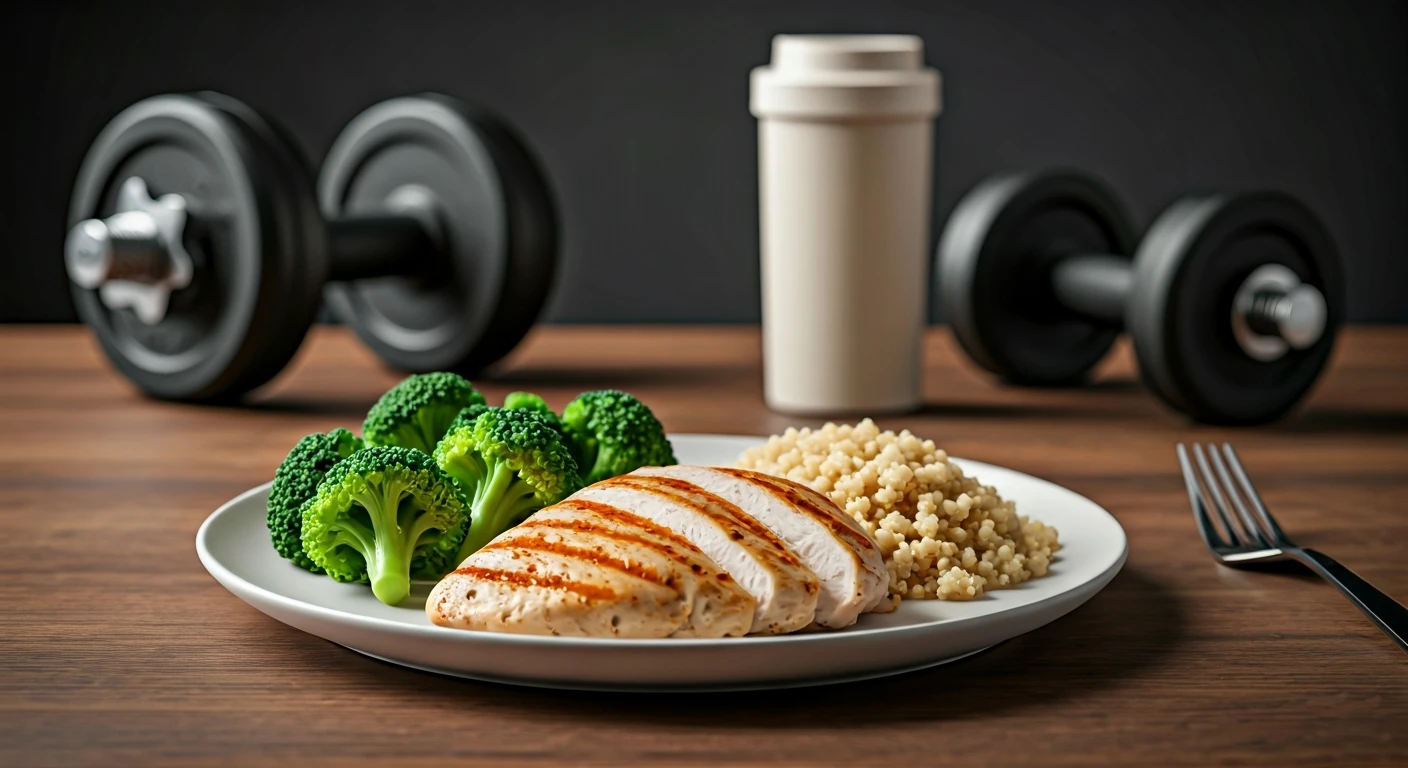
Incorporating a variety of vegetables and lean meats into your diet is crucial for healthy weight gain. These food groups are excellent sources of essential proteins, vital minerals, and dietary fiber, all of which play significant roles in bodily functions. Including them helps in feeling satiated for longer periods, thereby curbing unhealthy snacking urges. Adequate protein intake is fundamental for hormone synthesis and overall metabolic health. Ensuring a consistent supply of protein through sources like tofu, paneer, chicken, and leafy greens like spinach is vital for achieving desired body composition and maintaining optimal health, supporting the body's ability to build and repair tissues effectively.
Embrace Healthy Fats
Integrating healthy fats into your daily diet is a cornerstone of effective and nutritious weight gain. Excellent sources include egg yolks, naturally fatty cuts of meat, and coconut oil. Fruits like bananas and sapodilla also contribute beneficial fats and carbohydrates. While these fats are essential, moderation in their consumption is advised to maintain a balanced intake. These fats provide sustained energy and are crucial for hormone production and nutrient absorption, ensuring that your body functions optimally while building mass. Prioritizing these natural fat sources over processed alternatives is a key strategy for a healthy weight gain journey.
Boost Protein Intake
A daily protein intake of approximately 1 gram per kilogram of body weight is generally recommended for everyone, regardless of their current weight status. This sufficient protein consumption is vital not only for curbing unnecessary hunger that might lead to unhealthy snacking but also for promoting the development of lean body mass. Proteins are the fundamental building blocks of the body, essential for tissue repair, muscle growth, and numerous other physiological processes. Ensuring adequate protein through foods like tofu, paneer, chicken, and vegetables such as spinach is crucial for individuals aiming to achieve optimal health and a well-toned physique. This consistent intake supports the body's natural ability to maintain a healthy weight.
Weight-Gaining Foods
Certain natural foods possess inherent properties that facilitate healthy weight gain. Prioritizing foods rich in healthy fats is a non-negotiable aspect of this dietary approach. This includes incorporating fatty fish like salmon and tuna, consuming natural fruit juices, and opting for whole wheat breads and traditional Indian flatbreads. These options provide a substantial caloric and nutrient boost without compromising on health. By focusing on these food categories, individuals can effectively increase their energy intake and support muscle development in a wholesome manner, contributing to a healthier and more robust physique over time.
Calorie-Rich Choices
Understanding the distinction between 'empty' and 'healthy' calories is paramount for successful weight gain. Empty calories, derived from processed foods and sugary beverages, offer little nutritional value and can contribute to adverse health effects. In contrast, healthy calories originate from natural sources such as vegetables, fruits, and whole grains. Examples of nutrient-dense, calorie-rich foods include cheeses, healthy oils, bananas, and homemade nut butters like peanut and almond butters. Making conscious choices to include these foods in your diet ensures that you are not only increasing your calorie intake but also providing your body with essential vitamins, minerals, and fiber.
Daily Nutritional Habits
Adhering to fundamental daily practices is crucial for consistent weight gain. Avoid filling your plate with unnecessary items like chocolate bars or canned juices solely to increase calorie count. Instead, incorporate healthy, calorie-rich options such as yogurt, which promotes gradual yet permanent weight gain. Consuming three to four servings of fruits and vegetables daily is also beneficial; they not only satisfy hunger pangs that might otherwise lead to unhealthy snacking but also provide essential nutrients vital for overall health. These consistent, small steps contribute significantly to long-term success in achieving weight gain goals.
Supplement Considerations
Dietary supplements, available in various forms like tablets, powders, and capsules, can include protein powders, meal replacement bars, and multivitamins. While they may serve a purpose in supporting weight gain, their consumption should always be preceded by a consultation with a doctor or nutritionist. Overconsumption or improper use of supplements can lead to adverse effects such as vomiting and diarrhea. Although supplements can be useful in certain contexts, professional guidance is essential to ensure they are appropriate for individual needs and used safely, complementing rather than replacing a balanced diet.
Refining Food Habits
A balanced approach to eating involves more than just the types of food consumed; it encompasses the entire eating process. A diet consisting of one healthy meal interspersed with three unhealthy ones will invariably slow down progress and potentially harm health. Key habits to cultivate include thoroughly chewing food to aid digestion, moderating the intake of caffeinated drinks and alcohol as they can impede nutrient absorption, regularly monitoring weight to track progress, and choosing cooking methods that preserve the nutritional value of foods. These practices collectively support a more efficient and beneficial weight gain journey.
Avoiding Unhealthy Weight Gain
It's critical for individuals perceived as 'skinny' to understand that healthy weight gain is distinct from simply becoming overweight. Certain detrimental habits must be actively eliminated. These include skipping breakfast, eating meals at irregular intervals, resorting to crash diets, consuming excessive junk food, eating simply due to social pressure, and insufficient sleep. These habits not only hinder healthy weight gain but can also contribute to a range of health issues. Focusing on consistent, balanced nutrition and lifestyle choices is essential for achieving a toned and healthy physique.
The Goal: Toned Physique
The ultimate objective of a healthy weight gain strategy should be to achieve a toned and well-proportioned physique. Gaining weight primarily around the abdominal area is an indicator of unhealthy fat accumulation and suggests an issue with the current approach. The process of gaining weight can be slow, particularly for individuals with naturally faster metabolisms or slower food absorption rates. Patience and consistency are therefore crucial. Regularly documenting progress, perhaps by taking 'before' and 'after' pictures over a period of three months, can provide valuable motivation and insight into the effectiveness of your chosen methods.
Building Lean Mass
Focusing on strength training is paramount for developing lean muscle mass, which contributes to a healthy and robust physique. Exercises like squats, deadlifts, overhead presses, and pull-ups are highly effective as they engage multiple muscle groups simultaneously. This type of training not only builds muscle but also stimulates the release of anabolic hormones that are crucial for growth and recovery. For beginners, a structured routine that progressively increases weight and intensity can yield significant results. Consistency in lifting heavier weights, while maintaining proper form, is key to ensuring that the weight gained is primarily muscle tissue rather than excess body fat.