





Vilasini Natyam's Grace
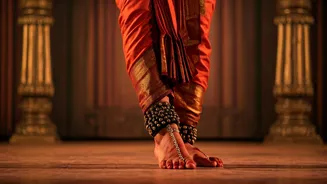
Vilasini Natyam, a graceful dance tradition, originated in Andhra Pradesh. Historically, this dance form was primarily performed by women known as Devadasis,
who dedicated their lives to the service of deities within temples. The dance itself incorporates elements of both Lasya (graceful and feminine) and Tandava (vigorous and masculine) styles, creating a balanced and visually stunning performance. Over time, Vilasini Natyam faced near extinction. However, through the efforts of dedicated artists and scholars, the dance form experienced a revival. It continues to evolve and is treasured for its storytelling abilities and the intricate expressions of emotion it conveys. Modern performances often incorporate contemporary themes while preserving the classical techniques.
Bhagavata Mela's Storytelling
In the state of Tamil Nadu, Bhagavata Mela Natyam is a dance form celebrated for its theatrical narrative approach. It is essentially a dance-drama, with performers enacting stories from Hindu mythology, particularly focusing on the lives and deeds of gods and goddesses. Originating in Thanjavur, the dance is typically performed by male dancers who undergo rigorous training in both dance and vocal music. The choreography often includes vibrant costumes, elaborate makeup, and precise rhythmic movements, all synchronizing to enhance the storytelling. This dance form, deeply rooted in religious devotion, serves not just as entertainment but also as a way to spread spiritual messages and celebrate religious festivals. It continues to be preserved through the efforts of dedicated communities.
Perini Sivatandavam's Power
Perini Sivatandavam, a dynamic dance from Telangana, stands out for its high-energy movements and expression of devotion to Lord Shiva. Historically, this dance was performed by male dancers as an offering before warriors headed into battle. The dance involves vigorous footwork, intricate gestures, and powerful postures, symbolizing the strength and resolve of the warriors. It is a highly masculine dance that emphasizes speed, agility, and stamina. The dancers often use percussion instruments, particularly drums, to drive the rhythm and create an atmosphere of intense energy. Despite facing periods of decline, Perini Sivatandavam's has experienced revival. The dance is now recognized and appreciated for its contribution to India's artistic heritage.
Gaudiya Nritya's Spirituality
Originating from West Bengal, Gaudiya Nritya is a classical dance form that showcases a blend of grace and spiritual depth. This dance style is primarily dedicated to the worship of Lord Krishna and draws inspiration from the Vaishnava tradition. The performances are often characterized by fluid movements, expressive gestures, and emotive storytelling, narrating stories from the Bhagavad Gita and other religious scriptures. The dancers typically wear distinctive costumes and makeup, with elaborate headgear and jewelry. Gaudiya Nritya has been undergoing a revival, with a growing number of practitioners working to preserve its heritage and introduce it to new audiences. The dance form uses music and dance to transport its audience to a state of spiritual bliss.
Yakshagana's Ballet Style
Yakshagana, a vibrant ballet-style dance theatre form, is a significant part of Karnataka's cultural landscape. This traditional art form seamlessly combines dance, music, dialogue, and elaborate costumes. It tells stories drawn from the epics, mythology, and local folklore, often featuring vivid narratives and dramatic elements. Yakshagana performances are characterized by the use of elaborate makeup, vibrant costumes, and stylized movements. The music, driven by percussion instruments like the 'chenda' and the 'maddale,' enhances the dramatic effect of the narrative. Yakshagana has remained an integral part of the cultural scene in coastal Karnataka, with performances continuing to enchant audiences.
Kutiyattam's Theatre Movements
Kutiyattam, a traditional dance theatre form from Kerala, is recognized as one of the oldest living theatrical traditions in the world. It is performed in temples and uses Sanskrit plays, enacting stories of gods and mythological figures. Kutiyattam employs highly stylized gestures, facial expressions, and complex movements. The performers are trained to interpret the dialogues with nuanced expressions. The use of elaborate makeup and costumes creates a visual spectacle. Accompanied by traditional instruments such as the 'mizhavu' drum, Kutiyattam provides a unique experience. Its continuity represents the preservation of India's ancient artistic legacy.