




Coconut Oil's Nourishing Touch
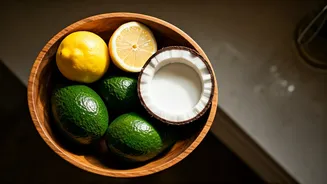
Coconut oil is a time-tested remedy lauded for its ability to deeply penetrate the hair shaft, thus preventing protein loss and breakage. When combined
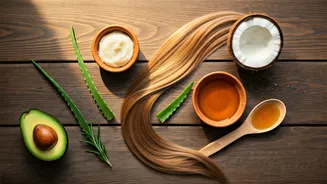
with a gentle massage, it stimulates blood flow to the scalp, awakening dormant hair follicles. To use, warm a small amount of coconut oil to a comfortable temperature and massage it into the affected area using circular motions for 5-10 minutes. This should be done 2-3 times weekly, ideally left overnight or for several hours before washing to maximize its benefits and promote a healthier scalp environment conducive to hair regeneration.
Onion Juice Powerhouse
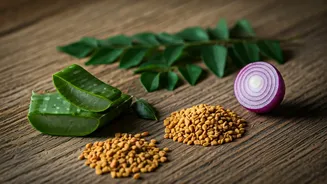
Despite its potent aroma, onion juice is a highly effective remedy due to its rich sulfur content, a vital component for collagen and hair protein synthesis. To prepare, grate or blend an onion and extract its juice. Apply this directly to the bald spot, allowing it to sit for 20-30 minutes before rinsing thoroughly. This method is believed to enhance blood circulation and has shown promise in studies for addressing patchy hair loss. For those sensitive to the smell, incorporating a few drops of rosemary or lavender essential oil can help to mask the odor, making the treatment more palatable.
Soothing Aloe Vera Gel
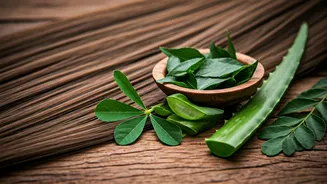
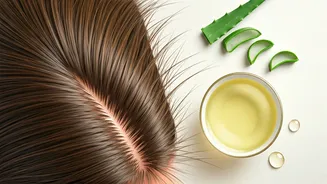
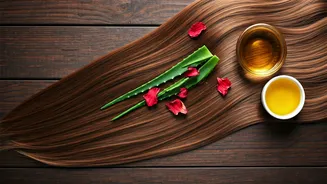
Aloe vera acts as a restorative treatment for stressed scalps, alleviating inflammation, dryness, and irritation that can impede hair growth. Fresh aloe vera gel can be applied directly to the scalp and left on for 30-40 minutes before being rinsed with lukewarm water. Its natural properties help to cleanse clogged follicles and calm scalp inflammation, creating an optimal environment for new hair to emerge. This soothing treatment can be safely incorporated into your routine 2-3 times per week for consistent scalp health benefits.
Castor Oil for Thickness
Castor oil, known for its dense consistency, is a powerful ingredient rich in ricinoleic acid, which is particularly beneficial for promoting hair thickness and health. Due to its viscosity, it's advisable to mix castor oil with a lighter oil like almond or coconut oil to ensure easier application. Massage this blend into the scalp and leave it overnight. Its deep nourishing properties at the roots and the protective barrier it forms contribute to a healthy scalp. Due to its richness, applying it once or twice a week is sufficient to reap its benefits without overwhelming the scalp.
Fenugreek Seed Paste
Fenugreek seeds are an often-overlooked yet potent natural remedy for hair restoration, packed with nicotinic acid and protein, essential building blocks for hair. To prepare, soak fenugreek seeds overnight and grind them into a fine paste the following morning. This paste can then be applied as a mask to the scalp and left for about 30 minutes before washing off. It is highly regarded for its ability to strengthen hair roots and stimulate regrowth in areas experiencing thinning, offering a traditional approach to revitalizing hair.
Garlic Oil Stimulation
Similar to onions, garlic is a potent source of sulfur, making garlic oil an excellent stimulant for hair growth, especially when growth appears to have completely stalled. To create this remedy, crush a few garlic cloves and gently heat them in a small amount of coconut oil. After allowing the mixture to cool, strain the infused oil. This potent oil can then be used as a targeted spot treatment on the affected areas, ideally once a week, to invigorate the scalp and encourage renewed growth.
Managing Stress for Growth
High stress levels can significantly impede hair growth by elevating cortisol, leading to shedding. Prioritizing stress management is therefore crucial for hair health. Aim for 7-8 hours of quality sleep per night and incorporate short relaxation techniques like deep breathing or gentle yoga into your daily routine. When your body's stress response calms down, it often positively impacts the hair growth cycle, allowing follicles to recover and resume normal activity.
Dietary Support for Hair
Hair health is intricately linked to overall nutrition, as the body prioritizes vital organs over hair when nutrients are scarce. Ensuring adequate intake of key nutrients is fundamental for robust hair growth. Focus on consuming sufficient protein from sources like lentils and eggs, iron from leafy greens such as spinach and dates, and healthy fats from nuts and seeds. Addressing any potential iron deficiencies is critical, as even the most effective topical remedies may fall short without proper internal nourishment.
Practices to Avoid
Certain hair care practices can exacerbate or contribute to hair loss and should be avoided when dealing with bald spots. This includes styling hair in high-tension styles such as tight buns, braids, or ponytails, which can put excessive strain on hair roots, leading to traction alopecia. Additionally, prolonged exposure to excessive heat from styling tools like flat irons and the use of harsh chemicals found in bleaches or perms can further damage hair and delay regrowth. Temporarily ceasing these practices allows the scalp and follicles to heal.
Patience and Professional Help
It's important to understand that hair regrowth is a gradual process, typically showing initial signs like fine baby hairs within 4-6 weeks, with more noticeable filling in occurring over 2-3 months. Consistency with chosen remedies is key to seeing results. However, if the bald spot is rapidly expanding, accompanied by scalp pain, itching, redness, or if you are losing hair in large clumps, it is crucial to consult a dermatologist. Other symptoms like extreme fatigue or irregular periods may also warrant professional medical evaluation, as they could indicate underlying health issues.