






Initial Consumption Effects
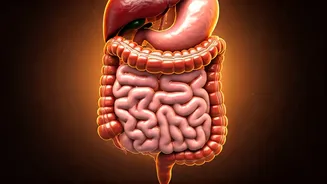
When starting to drink salt water on an empty stomach, the body may react in several ways. Initially, individuals might experience some gastrointestinal
discomfort. The high salt content can draw water into the intestines, potentially leading to bloating or diarrhea. The kidneys play a crucial role in regulating sodium levels, and they may work harder to maintain balance. The body's electrolyte balance will also undergo a shift. Because salt water is ingested, essential minerals like sodium, potassium, and chloride can become unbalanced, which might impact the nervous system and muscle function. Dehydration is another possible consequence, particularly if the individual doesn't consume enough plain water to compensate for the salt intake. These initial reactions underscore the importance of understanding the body's response when starting this practice.
Long-Term Physiological Changes
Over two months, consistent salt water consumption can lead to more significant physiological changes. The kidneys face sustained strain as they work to filter out excess sodium. Prolonged stress could potentially elevate blood pressure. The gastrointestinal system may gradually adapt, but the risk of inflammation and irritation persists. The body's fluid balance will shift, possibly causing dehydration if not balanced with adequate water intake. Moreover, mineral imbalances may become more pronounced. Disruptions in sodium and potassium levels can affect nerve and muscle function, potentially leading to fatigue or muscle cramps. The long-term effects highlight that consuming salt water may cause serious health problems.
Expert Insights and Concerns
Experts often raise concerns about drinking salt water on an empty stomach. They highlight the potential for dehydration, as salt can pull water out of cells. The kidneys may face increased workloads as they strive to regulate sodium levels. Imbalances in electrolytes, like sodium and potassium, can disrupt muscle and nerve functions. Health professionals usually discourage this practice, especially for individuals with kidney issues or high blood pressure. They stress the importance of maintaining proper hydration and electrolyte balance through a balanced diet and adequate water intake. Instead of drinking salt water, doctors often recommend seeking advice to maintain one’s health.
Alternative Hydration Approaches
Rather than relying on salt water, there are better methods to maintain hydration and health. Drinking plain water is essential for optimal body functions and well-being. A diet full of fruits and vegetables is another way to supplement hydration with essential minerals and vitamins. Electrolyte-rich drinks, especially during and after intense workouts, can help replace lost minerals. Consulting with a healthcare provider is the best approach to ensure that a personalized hydration plan aligns with individual needs and health conditions. It's important to prioritize safe, effective hydration methods that support the body's natural functions.