





The Mountain Ghost
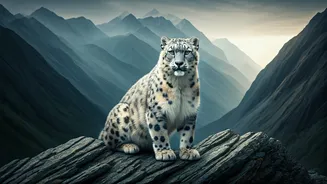
Known affectionately as the 'ghost of the mountains,' the snow leopard embodies the spirit of stealth in the formidable mountain ranges of Central and
South Asia, including the iconic Himalayas. Its remarkable smoky-grey coat, adorned with dark rosettes, provides unparalleled camouflage against the rocky, uneven terrain, rendering it virtually invisible to the untrained eye. These majestic cats are solitary hunters, thriving in steep, remote landscapes far removed from human activity. Their elusive nature means that even seasoned researchers might spend extensive periods tracking them without a direct observation. Every photographic capture of a snow leopard is therefore a significant achievement in the realm of wildlife conservation, highlighting the species' profound ability to remain hidden. This incredible camouflage and preference for secluded, high-altitude environments make the snow leopard a prime example of adaptation for survival. Researchers often rely on camera traps placed in their vast territories, and the resulting images are treasured for the rare glimpses they offer into the life of this magnificent feline. Their existence is a testament to the wild's ability to harbor secrets, with these elusive predators reigning supreme in their mountainous domain, unseen by most of the world.
The Asian Unicorn
Revered as the 'Asian unicorn,' the saola stands out as one of the most infrequently encountered large mammals on Earth. Its scientific discovery in 1992 within the verdant forests of Laos and Vietnam marked a significant moment in zoology, revealing a creature previously unknown to modern science. The saola possesses an almost mythical appearance, characterized by its long, straight horns and distinctive white markings on its face. Astonishingly, very few individuals have ever been observed alive in their natural habitat, and none are documented to exist in any zoological collection. The primary threats to this rare species include habitat destruction and poaching, factors that have further contributed to its mysterious reputation and the extreme rarity of sightings, making it a true enigma of the forest. The saola's secretive lifestyle and preference for dense, remote forest environments are key to its elusiveness. Its existence was a closely guarded secret of the Annamite Mountains for centuries before its official discovery. Conservation efforts are hampered by the difficulty in locating and studying these animals, making them a symbol of the ongoing challenges in protecting biodiversity in Southeast Asia. The rarity of this magnificent ungulate underscores the vastness of unexplored natural wonders and the urgent need for conservation initiatives to safeguard species that remain largely unseen by humanity.
The Forest Enigma
The okapi, a creature native to the dense rainforests of the Democratic Republic of Congo, presents a unique appearance, often described as a blend of zebra and giraffe features. Interestingly, it is the giraffe's sole living relative, making its distinct evolutionary path a subject of fascination. This mammal is inherently shy and highly secretive, expertly navigating its arboreal home. Its dark, velvety coat allows it to blend seamlessly with the dappled shadows of the forest undergrowth, while the striking stripes on its legs serve as a clever form of camouflage against potential predators. Due to its remote habitat and natural aversion to human presence, the okapi remained unknown to Western science until the early 20th century, adding to its mystique. Its ability to disappear into the lush greenery of the Congo rainforest makes it one of the continent's most elusive large mammals. Researchers have had limited success in studying them extensively in the wild, often relying on indirect evidence and rare photographic encounters to learn about their behavior and ecological role. The okapi’s existence highlights the hidden biodiversity within the world's largest tropical rainforests.
The Scaly Secret
Covered from head to tail in protective keratin scales, the pangolin is one of the most unusual and hardest-to-find mammals on the planet. Primarily nocturnal, these creatures lead highly secretive lives, and when faced with danger, they instinctively roll into a tight, impenetrable ball. Pangolins inhabit various regions across Asia and Africa, spending the majority of their time concealed within underground burrows or hidden beneath thick forest foliage. Tragically, they are also recognized as the most trafficked mammals globally, a consequence of the illegal wildlife trade that drastically reduces the chances of encountering them in the wild. This illicit trade, driven by demand for their scales and meat, has pushed many pangolin species towards endangerment, making observations even more infrequent. Their unique defense mechanism and nocturnal habits contribute significantly to their elusive nature, allowing them to evade detection. The clandestine existence of pangolins is further amplified by their solitary behavior and preference for undisturbed habitats. Conservationists are working tirelessly to combat the illegal trafficking networks that threaten their survival, yet the very nature of their elusive lifestyle makes comprehensive population assessments extremely challenging. The pangolin's scarcity in the wild serves as a stark reminder of the devastating impact of human exploitation on vulnerable wildlife populations and the ongoing battle to protect these fascinating, scaled mammals from extinction. Their unique biology and precarious status make them a symbol of the urgent need for wildlife protection.
The Cold-Climate Cat
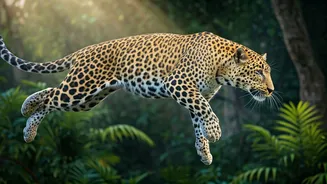
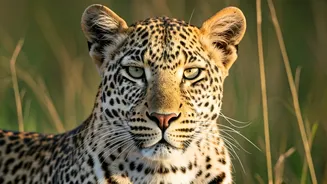
The Amur leopard, a magnificent big cat, holds the distinction of being one of the rarest feline species on Earth. Its natural habitat is confined to the temperate forests of the Russian Far East and the northeastern regions of China. Unlike many of its leopard relatives, this species has remarkably adapted to survive in cold, snowy environments, a testament to its resilience. Primarily a nocturnal hunter, the Amur leopard covers vast territories in its search for prey, which significantly reduces the likelihood of human encounters. With an estimated population of fewer than a few hundred individuals remaining in the wild, spotting an Amur leopard is considered an extraordinary, once-in-a-lifetime event, even for dedicated wildlife biologists. Their exceptional camouflage, coupled with their preference for remote and challenging terrains, makes them incredibly difficult to locate and observe. The continued survival of the Amur leopard is a precarious balance, threatened by habitat loss, poaching, and a dwindling prey base. Conservation initiatives are in place, focusing on habitat protection and anti-poaching efforts, but the extreme rarity of these animals poses significant challenges to research and monitoring. Every confirmed sighting or camera trap image offers valuable data, underscoring the critical need for ongoing efforts to protect this majestic predator and its fragile ecosystem. The Amur leopard's elusive existence in the snowy forests highlights the profound challenges in conserving species at the brink of extinction.
The Nighttime Primate
Hailing from the island of Madagascar, the aye-aye is a truly peculiar nocturnal primate characterized by its striking appearance. It possesses large, inquisitive eyes, prominent, bat-like ears that aid in locating prey, and a remarkably elongated middle finger. This specialized digit is used for a unique foraging technique: tapping on tree bark to detect insect larvae and then extracting them. Due to its strictly nocturnal lifestyle and its preference for dense forest habitats, the aye-aye is an exceedingly rare sight in the wild. Compounding its elusiveness are local myths and superstitions that have unfortunately fostered fear and persecution of the species, further diminishing the opportunities for observation and contributing to its declining numbers. Its ability to remain hidden within the thick Malagasy forests and its nocturnal habits make it one of the island's most enigmatic inhabitants. Researchers often rely on specialized equipment and extensive fieldwork to catch glimpses of this unusual lemur. The conservation status of the aye-aye is a serious concern, stemming from both habitat destruction and the cultural stigma it faces. Efforts to protect this species involve community engagement to dispel myths and promote understanding of its ecological importance. The challenges in studying the aye-aye underscore the difficulties in conserving animals that are both rare and subject to cultural misconceptions. Its continued survival depends on a delicate balance of habitat preservation and shifting human perceptions, allowing this unique creature to thrive unseen by most.
The Flightless Parrot
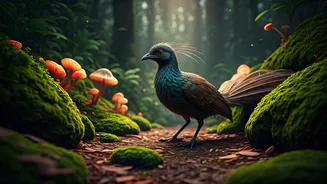
Hailing from the pristine landscapes of New Zealand, the kakapo stands as a remarkable and exceptionally rare species of large, flightless parrot. This unique bird is both nocturnal and ground-dwelling, exhibiting an extremely shy disposition that makes it notoriously difficult to encounter. In stark contrast to the vibrant plumage of many other parrot species, the kakapo boasts moss-green feathers, providing it with outstanding camouflage amidst the dense forest foliage. Conservationists are meticulously monitoring the remaining population, with each individual bird under close observation, ensuring their protection. Consequently, sightings of the kakapo are typically limited to the dedicated scientists and researchers actively involved in its recovery programs. Its ground-based lifestyle and excellent camouflage allow it to effectively evade detection, contributing to its elusive status among avian species. The kakapo's existence is a testament to the unique evolutionary pathways found in isolated ecosystems. The conservation efforts for the kakapo are intensive, involving predator control, habitat management, and supplementary feeding programs. The success of these programs is crucial for the species' survival, as they are highly vulnerable to introduced predators. The rarity of the kakapo means that every breeding season and chick survival is a significant event for conservationists. Its shy nature and preference for secluded habitats further enhance its elusiveness, making it a symbol of the challenges and triumphs in avian conservation. The kakapo's story highlights the importance of dedicated research and hands-on conservation for species teetering on the edge of existence.
The Deep Sea Giant
Few marine creatures evoke as much mystery and awe as the giant squid. Inhabiting the extreme depths of the ocean, often thousands of feet below the surface, this colossal animal remained largely the stuff of legend for centuries. For a long time, the primary evidence of its existence came from carcasses that washed ashore or were discovered within the stomachs of sperm whales. It wasn't until recent decades that scientists managed to capture the first photographic and video evidence of giant squids alive and thriving in their natural, abyssal environment. This deep-sea existence is the key factor that makes them among the least observed and most enigmatic animals on the entire planet. Their habitat, characterized by immense pressure and perpetual darkness, is incredibly challenging to explore, limiting our understanding of these magnificent cephalopods. The immense size and incredible depth at which giant squids live contribute to their elusive nature. Studying them presents immense logistical and technological hurdles, requiring specialized submersibles and remotely operated vehicles to even approach their realm. The lack of direct observation means much of what we know about their behavior, diet, and life cycle is inferred from the limited physical evidence available. The ongoing quest to understand the giant squid highlights the vast unexplored frontiers of our oceans and the incredible biodiversity that lies hidden within them, waiting to be discovered by persistent scientific endeavor. Their rarity and the difficulty of studying them continue to fuel fascination and scientific curiosity.