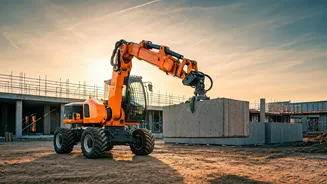

Robots Enter Construction
The integration of robots into the construction sector in Germany marks a significant evolution in building practices. This change wasn't sudden; it's
a consequence of the need for improved productivity and the challenges posed by a scarcity of skilled workers. The adoption of robotic technologies addresses these issues directly, allowing for more streamlined operations and the ability to complete projects more quickly. Moreover, robots bring enhanced precision to tasks, minimizing errors and improving the overall quality of construction. This adaptation also offers a solution to the ongoing issue of labor shortages in the construction field, making jobs safer and less physically demanding. Overall, the use of robots is redefining how construction projects are planned and executed, leading to more efficient processes and potentially lower costs.
Automated Tasks Unveiled
Robots are now used in various construction activities in Germany, displaying their versatility. For instance, some robots are designed to lay bricks with impressive speed and accuracy, surpassing the performance of human workers in certain scenarios. Other automated systems are tasked with welding, which is a crucial aspect of metal framework assembly, guaranteeing consistency and structural integrity. In addition, these technologies are used in the processes of painting, where robots provide an even and precise finish. These automated solutions can also assist with the demolition of structures, managing hazardous materials safely. Furthermore, robotic systems assist with site surveys and mapping, generating detailed digital models of construction sites for more efficient project management. This widespread implementation of robots into diverse tasks improves productivity and the effectiveness of construction procedures across Germany.
Productivity and Efficiency Boost
One of the major benefits of integrating robots in German construction is the marked increase in both productivity and efficiency. Robots can work tirelessly for extended periods, without the need for breaks or rest, significantly enhancing the pace of project completion. This leads to reduced construction times and the quicker availability of completed buildings. The precision of robots minimizes mistakes, reduces the amount of material waste, and helps control costs. The efficiency gains include not only faster construction times but also the better management of resources and improved project outcomes. The consistent performance of robots assures that each task is performed to a defined standard, thereby improving the overall quality of construction projects. The efficiency gains contribute to the German construction industry’s ability to handle increasing demands and deliver projects that fulfill the highest standards.
Addressing Labor Shortages
The adoption of robotics in German construction acts as a crucial response to the challenge of a shortage of skilled labor. By automating a variety of physically demanding tasks, robots reduce the physical strain on human workers, thus making construction jobs more appealing. This improvement can draw new professionals into the industry, which tackles the ongoing lack of skilled labor. In addition, robots can carry out dangerous tasks, improving site safety. This allows human employees to focus on more complex tasks that need human expertise, such as design, project management, and quality control. The deployment of robots allows construction companies to execute projects even with a limited workforce, supporting their operational capacity. This has significant implications for the sustained growth of the industry, guaranteeing that vital projects can continue despite the lack of traditional labor.
Challenges and Adaptations
The introduction of robots into German construction is not without its challenges. Initial investment costs can be high, involving the purchase of the robotic systems and the necessity for employee training in their use and upkeep. Ensuring that the existing construction workforce is ready to work alongside robots requires a commitment to education and skills development, as well as a cultural shift within the industry. Safety is a crucial area of concern; implementing rules and protocols to guarantee the well-being of both humans and robots on the construction site is essential. In addition, the compatibility of robots with present construction methods and workflows may require adaptations to existing processes. Despite these difficulties, the potential benefits of robotics – enhanced productivity, lower costs, and increased safety – are pushing companies to discover solutions and successfully implement these technologies.
Future of Construction
Looking forward, the use of robots in the German construction sector is poised to grow. Technological advances, such as increased AI and machine learning capabilities, will allow robots to become more independent and adaptable to various tasks. We will see the creation of new robotic systems designed for specialized purposes in building, creating more complex infrastructure projects. The industry will also witness enhanced collaboration between human workers and robots, with robots handling repetitive jobs and humans providing supervision and complex decision-making. The combination of automation and human abilities ensures the best results. Moreover, the industry will focus on the creation of building designs and methods that are specifically tailored to the use of robots, improving the full potential of these technologies. This shift points to a future where robots and human workers together create a more productive, safe, and sustainable construction environment.