





Spicy Arrivals: Chilli Peppers
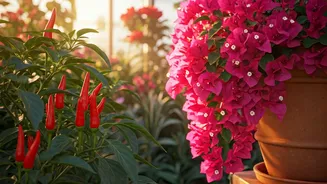
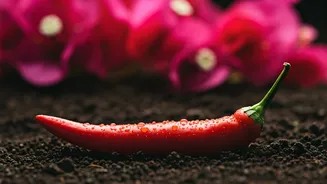
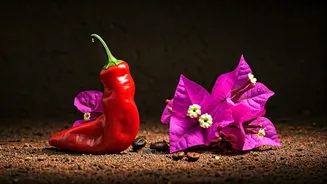
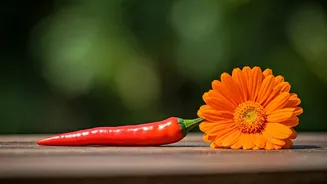
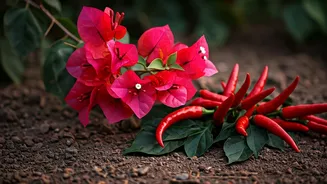
It’s almost impossible to envision Indian culinary traditions without the fiery kick of chillies, yet this essential ingredient is a global traveler. Originating
from the Americas, specifically Central and South America, chilli peppers were first introduced to India by Portuguese seafarers during the 15th and 16th centuries. Before their arrival, indigenous spices like black pepper and long pepper were the primary sources of heat in Indian dishes. The plant’s remarkable adaptability to India's diverse climates allowed it to swiftly integrate into regional cuisines, becoming an indispensable component that defines the palate of countless Indian meals and transforms everyday cooking into a vibrant explosion of flavor.
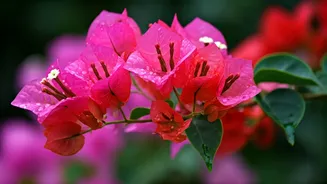
Vibrant Climbers: Bougainvillea
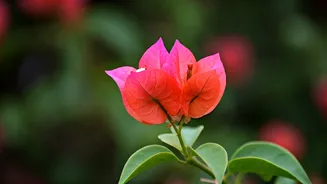
The spectacular bursts of colour from bougainvillea, adorning street walls and garden fences across India, create an impression of native beauty. However, this visually stunning plant actually hails from the lush landscapes of South America, particularly countries like Brazil, Peru, and Argentina. Its popularity in India and other tropical and subtropical regions stems from its resilience, especially its ability to thrive with minimal water, coupled with its incredibly vibrant floral display. The plant's unique structure, where colourful bracts mimic petals, makes it a beloved ornamental species. Varieties like 'Golden Glow' and 'Mrs. Butt' showcase the diverse and captivating hues that have made it a staple in tropical gardening worldwide.
Australian Timber Trees: Eucalyptus
Eucalyptus trees, a familiar sight across India due to their rapid growth and utility for timber and paper production, have a surprising origin. These tall, aromatic trees are native to the vast continent of Australia, along with nearby islands. Introduced during the colonial era, their swift growth rate made them an attractive choice for afforestation and resource development. Despite their widespread planting and benefits, there has been ongoing discussion among environmentalists regarding their ecological impact, particularly concerning their significant water consumption and potential effects on local biodiversity. This genus, comprising over 660 species, is a prominent example of botanical exchange with lasting ecological considerations.
Madagascar's Flame: Gulmohar
The breathtaking sight of the gulmohar tree, ablaze with fiery orange-red blossoms during the summer months, often leads to the assumption that it is indigenous to India. However, this spectacular tree’s true home is Madagascar. Its striking ornamental appeal and expansive canopy made it an immediate favorite for urban planning, leading to its widespread cultivation as an avenue tree in Indian cities and on educational campuses. Its ability to thrive in both moist and dry tropical regions further cemented its popularity, transforming Indian landscapes into vibrant showcases of floral magnificence during its blooming season.
Tropical Delight: Papaya
Today, the sweet and nutritious papaya is a common fruit cultivated and enjoyed throughout India, a testament to its successful integration into the country's agricultural landscape. Yet, this tropical staple originally journeyed from Central America and southern Mexico. Introduced centuries ago through maritime trade routes, the papaya plant quickly adapted to India's warm climate. It gained immense popularity not only for its delicious taste but also for its significant nutritional benefits and digestive properties, becoming a cornerstone of fruit cultivation and consumption, with India now leading global production.