






Ancient Origins Unveiled
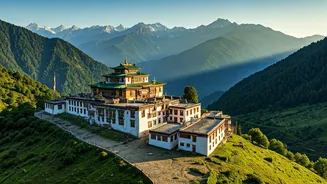
Nestled within the serene Kinnaur valley of Himachal Pradesh lies the Raulane Festival, an age-old tradition spanning an astonishing 5,000 years. This
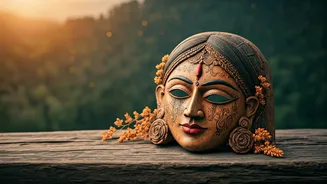
vibrant celebration marks the poignant end of winter and heralds the arrival of the much-anticipated harvest season. The core of the festival involves a fascinating ritual where villagers, particularly men, adorn themselves in the finery traditionally associated with brides. They are seen with faces meticulously covered in silver and gold jewelry, their heads decorated with colorful Styrofoam flowers, and their bodies draped in exquisite handwoven shawls, embodying the essence of bridal attire. This elaborate spectacle is not merely for amusement but carries deep cultural significance, serving as a unique way to bid farewell to the mountain fairies as winter recedes. The festival's roots are intertwined with ancient tribal beliefs, passed down through generations, reflecting a profound connection to the natural cycles and the spiritual realm. Its recent surge in visibility on social media has brought this hidden gem to global attention, sparking curiosity about its rich history and captivating practices.
Celebrations and Rituals
The Raulane Festival typically commences on the day following Holi and unfolds over a period of five days, traditionally taking place in March. Its primary locale is Kinnaur, with vibrant participation extending to tribes from the neighboring villages of Sangla and Kalpa. During these days, a unique inversion of roles occurs: men enthusiastically dress as grooms, while women embrace the persona of brides, adorned with their most treasured heirloom jewelry. While the exact significance of this specific masquerade within their region is not strictly defined, it is understood as a significant tribal festival. A central ancient belief dictates that the villagers perform a special ritual to bid a formal goodbye to the mountain fairies, acknowledging the transition from winter to spring. This ritual has been meticulously preserved and passed down through centuries. The festivities progress over several days. The initial day sees a few couples presenting themselves in their most elegant traditional attire. This is followed by a larger contingent of five couples on the second day, amplifying the visual spectacle. By the third day, the celebration gains momentum as individuals from adjacent villages converge, joining in collective dances and conducting a sacred 'puja' (worship ceremony) to honor the spirits and ensure a prosperous harvest season.
Attending the Festival
For those venturing to experience the unique Raulane Festival, careful preparation is key. Given its mountainous location in March, visitors should anticipate very cold weather, with the possibility of snow even preceding the festival days. Therefore, packing ample warm clothing is essential to ensure comfort and safety. Travel to the region can present challenges; the roads are often described as treacherous, and public transportation options, such as buses, are limited, making journey planning crucial. The area where the festival is held is relatively small, and access might be regulated. It is advisable to connect with the local community beforehand to ascertain if outsiders are permitted to enter the festival grounds. In instances of increased crowd numbers, locals may restrict entry to preserve the intimate nature of the event and ensure the safety and experience of the participating villagers.