



Ignoring Thirst Cues
Many individuals habitually disregard their body's signals to drink water, often due to busy schedules or simply forgetting. This chronic underhydration
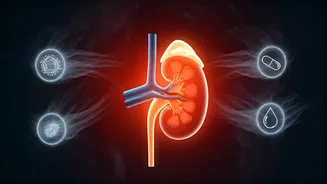
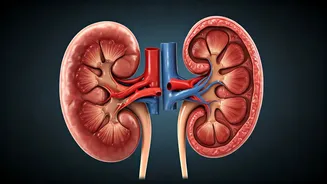
places a significant strain on the kidneys. When you don't consume enough fluids, your kidneys struggle to effectively filter waste products and toxins from your blood. This can lead to a buildup of these harmful substances, potentially forming kidney stones or even contributing to kidney damage over time. The kidneys require adequate water to function optimally, flushing out urea and other waste. Failing to provide this essential resource forces them to work harder, akin to an engine running without sufficient oil. Making a conscious effort to stay hydrated throughout the day is a fundamental step in preventing kidney distress. Aim for consistent water intake rather than chugging large amounts infrequently, ensuring a steady supply for your kidneys' filtration processes. This simple habit, when maintained, significantly supports kidney longevity and function.
Over-Reliance on Painkillers
The frequent and often indiscriminate use of over-the-counter pain relievers, particularly non-steroidal anti-inflammatory drugs (NSAIDs), poses a serious threat to kidney health. While effective for short-term pain management, prolonged or excessive consumption can significantly impair kidney function. These medications work by reducing blood flow to the kidneys, and when this reduction is sustained, it can lead to acute kidney injury or chronic kidney disease. Many people reach for these pills at the first sign of discomfort without consulting a healthcare professional, unaware of the cumulative damage they might be inflicting. It's crucial to understand that these drugs, including common ones like ibuprofen and naproxen, can have detrimental effects on the delicate structures within the kidneys. Alternative pain relief methods or seeking medical advice for chronic pain conditions should be prioritized over the regular use of NSAIDs to protect these vital organs from irreversible harm and maintain their filtering capacity.
Excessive Salt Intake
A diet rich in sodium, a common characteristic of many processed and restaurant foods, places an undue burden on the kidneys. Consuming too much salt causes the body to retain water, which in turn increases blood volume and blood pressure. High blood pressure is a leading cause of kidney disease, as it damages the delicate blood vessels within the kidneys, hindering their ability to filter waste effectively. The kidneys play a crucial role in regulating blood pressure by managing fluid and salt balance. When overloaded with sodium, they struggle to maintain this equilibrium, leading to hypertension. Over time, this constant pressure can scar the kidneys and reduce their filtration capacity. Limiting processed foods, reading food labels carefully, and opting for home-cooked meals seasoned with herbs and spices instead of salt are vital steps in safeguarding kidney function and preventing the silent progression of kidney damage caused by excessive sodium consumption.
Insufficient Sleep Patterns
The disruption of natural sleep cycles and chronic sleep deprivation can have profound negative impacts on kidney health. During sleep, the body undertakes essential repair and restoration processes, including those related to kidney function. When you don't get adequate rest, the kidneys' ability to filter blood and remove waste products is compromised. Furthermore, poor sleep is often linked to other health issues like high blood pressure and diabetes, both significant risk factors for kidney disease. The kidneys regulate various bodily functions, including blood pressure and fluid balance, which are closely intertwined with sleep. Chronic lack of sleep can throw these regulatory mechanisms out of balance, leading to increased strain on the kidneys. Prioritizing a consistent and sufficient amount of quality sleep is therefore not just about feeling refreshed, but also about actively supporting the long-term health and optimal functioning of your vital renal organs.
Consuming Processed Foods
The pervasive presence of highly processed foods in modern diets is a significant contributor to kidney strain. These foods are often laden with unhealthy fats, added sugars, excessive sodium, and artificial ingredients, all of which can negatively impact kidney function. For instance, the high sodium content accelerates the progression of hypertension and kidney damage. Similarly, the metabolic stress caused by processing unhealthy fats and sugars can lead to conditions like diabetes, another major precursor to kidney disease. The kidneys are responsible for filtering out metabolic byproducts and toxins. When the body is consistently exposed to a high load of these harmful substances from processed items, the kidneys must work overtime. This sustained exertion can deplete their efficiency and resilience over time. Making a conscious shift towards whole, unprocessed foods is a critical dietary change that directly supports kidney health and reduces the risk of long-term damage.