




Turmeric Purity Concerns
Turmeric, a cornerstone of Indian cuisine, imparts vibrant colour and traditional health benefits to countless dishes. Its daily use in kitchens across
the nation makes its purity a significant concern. Unfortunately, the reality of food adulteration means that common staples, including spices like turmeric, can sometimes be mixed with impurities to increase their volume and weight. Yellow clay is a known adulterant, often added to turmeric powder to achieve this effect. The Food Safety and Standards Authority of India (FSSAI) recognizes this issue and regularly provides consumers with accessible methods to verify the quality of their food products right at home, without needing specialized equipment.
The Simple Water Test
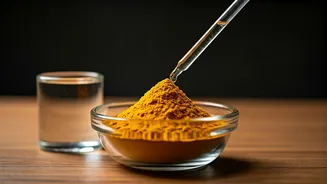
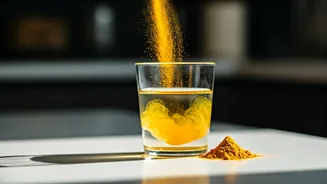
You can easily ascertain the purity of your turmeric powder using a basic test involving common household items. This method is designed for simplicity and requires minimal effort, making it a practical choice for regular checks. All you need is a clear glass, clean water, and a spoonful of your turmeric powder. The process involves mixing the turmeric with water in the glass and observing the results. This straightforward approach empowers you to take a proactive step in ensuring the quality of the spices you use daily, helping you avoid potential adulterants.
Performing The Test
To conduct this simple purity check, begin by filling a clear glass with clean water. Next, introduce approximately one spoonful of turmeric powder into the water. Stir the mixture thoroughly to ensure the turmeric is well-dissolved. Allow the glass to remain undisturbed for a few minutes. In pure turmeric, you will notice that it dissolves evenly, lending the water a consistent, light yellow hue without leaving any discernible particles. However, if adulteration, particularly with yellow clay, has occurred, you will observe a distinct layer of sediment settling at the bottom of the glass because clay particles do not dissolve in water.
Why Purity Matters
While minor quantities of adulterants like yellow clay might not cause immediate harm, their presence significantly dilutes the quality of the turmeric you consume. Regular ingestion of such impurities can potentially pose health risks over time. Simple verification methods like this water test provide consumers with the knowledge to make more informed decisions about their food choices. Although this home-based assessment is not a definitive substitute for rigorous laboratory analysis, it serves as an invaluable initial step for identifying obvious instances of contamination and promoting overall well-being through mindful consumption.