
Budget Overview
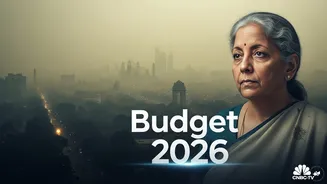
The Education Budget 2026 has been allocated Rs 1,39,285.95 crore, a sum that is higher than the previous year's allocation, which shows a commitment to
bolstering the education sector. This financial commitment reflects a strategic effort by the government to invest in human capital and equip the nation's youth with the skills needed for the future. The budget incorporates a variety of initiatives, spanning from enhancements in medical education to the promotion of cutting-edge fields like AVGC (Animation, Visual Effects, Gaming, and Comics). This comprehensive approach indicates an effort to nurture diverse talent pools and to modernize the educational offerings available throughout the country. The government's continued investment in education underscores its recognition of the essential role education plays in national progress and individual empowerment.
Medical Education Focus
The budget strategically places emphasis on bolstering medical education. Among the key announcements, three new AIIMS (All India Institutes of Medical Sciences) will be established to increase medical seats and improve access to quality healthcare education. The budget also includes provisions for the establishment of three Ayurveda institutes, which demonstrate a commitment to promoting traditional Indian medicine alongside modern medical practices. These investments in medical education are a direct response to the increasing demand for healthcare professionals and the need to improve the quality of medical training across the nation. This expansion aims to enhance the country's capacity to deliver healthcare services and nurture a skilled workforce capable of addressing the complex healthcare needs of the population. The focus on Ayurveda also acknowledges the importance of integrating traditional knowledge with contemporary healthcare practices.
AVGC and Content Labs
The Education Budget 2026 reveals a strategic thrust on the growth of the AVGC sector. The budget allocates resources for the establishment of content labs, which will serve as hubs for innovation, creativity, and the development of digital content. The AVGC sector is experiencing rapid expansion, creating new avenues for employment and economic growth. By supporting these content labs, the government aims to encourage creative talent and build a robust ecosystem for content creation. These labs are designed to give students practical exposure to cutting-edge technologies, providing them with the necessary skills to excel in the industry. This is a progressive move, preparing the upcoming generation for the opportunities presented by digital media and the creative industries. The investments underscore the government's forward-looking approach to education and its intent to foster economic growth through innovation.
Girls' Hostels Announced
The budget underscores a commitment to promoting gender equality in education. The allocation includes plans for the construction of girls' hostels in every district, ensuring that girls have access to safe and supportive accommodation. This initiative addresses a critical need, specifically for girls in rural areas and those from disadvantaged backgrounds who face obstacles in pursuing their education. The provision of hostel facilities is a significant step towards removing barriers to education, enabling girls to continue their studies without geographical constraints or societal pressure. The project aligns with the larger goals of empowering women and fostering a more inclusive society. The decision showcases a commitment to making education accessible to all, irrespective of gender and social circumstances.
University Townships Planned
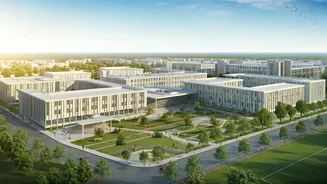
The Education Budget 2026 reflects a forward-thinking strategy for higher education. The budget reveals plans to establish university townships. These townships are envisioned as comprehensive educational ecosystems, integrating academic institutions with residential facilities, research centers, and amenities. The goal is to create environments that encourage holistic development, and facilitate a lively exchange of ideas between students, academics, and researchers. By providing complete learning environments, these townships strive to improve the quality of education and inspire innovation. This undertaking also aims to close the gap between education and employment, equipping students with the skills and experiences they require to prosper in the professional world. The university townships reflect the government's aim to transform educational institutions into centers of excellence and drivers of innovation.
Bridging Employability Gap
A core objective of the Education Budget 2026 is to connect education with employment opportunities. Several provisions are designed to improve the employability of graduates, equipping them with the practical skills needed to thrive in the workforce. The establishment of hospitality institutes and design schools is a notable aspect of this strategy. These institutes offer specialized training in the hospitality sector, which will generate skilled manpower to meet the needs of a growing industry. The design school will nurture creativity and prepare students for careers in the rapidly growing design industries. The intent to incorporate skill-based programs shows the government's desire to prepare young people for the challenges and prospects of the professional world. These steps reveal a practical approach to education, aimed at equipping students with the tools they require to succeed in a competitive job market.