



The 'Natural' Skincare Trap
The allure of 'natural' skincare often leads us to reach for everyday kitchen staples, believing them to be gentle and effective. However, the reality
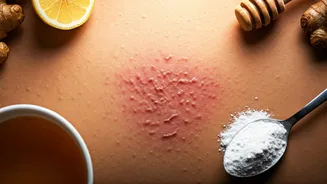
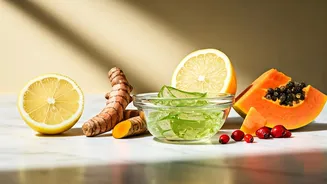
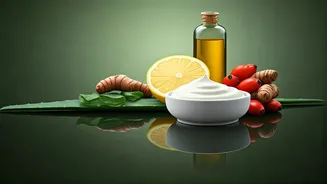
is far more complex. Many commonly used items, such as essential oils like tea tree or lavender, are highly concentrated plant chemicals that can trigger severe allergic reactions. Dermatologists frequently treat cases of Allergic Contact Dermatitis stemming from the indiscriminate use of these potent substances. Ingredients like linalool can sensitize the skin, causing the immune system to overreact, resulting in itchy, weeping rashes. It's a critical reminder that 'natural' does not equate to 'safe,' much like poison ivy, which is entirely natural but undeniably harmful.
Lemon Juice: The Acidic Menace
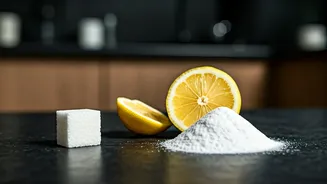
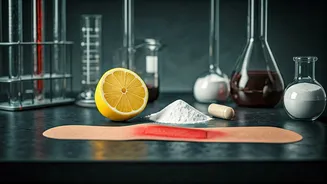
A popular hack for tackling dark spots involves applying raw lemon juice, promising a brighter complexion. However, this practice can inflict significant damage. Healthy skin maintains a slightly acidic pH, around 5, which is crucial for its barrier function. Lemons, conversely, possess a drastically low pH of 2, akin to battery acid. Applying lemon juice doesn't brighten skin; it initiates a chemical burn. Furthermore, lemons contain psoralens, compounds that, when exposed to sunlight, can cause phytophotodermatitis. This reaction leads to blistering and intense inflammation, especially problematic for melanin-rich Indian skin tones, where it can leave persistent dark marks that are difficult to fade. This 'glow hack' is, in fact, a recipe for skin trauma.
Baking Soda: Alkaline Agitation
While lemon juice represents an acidic threat, baking soda poses an alkaline danger to the skin. With a pH of 9, it aggressively disrupts the skin's natural balance. Often lauded as a miracle exfoliator in online forums, baking soda actually strips away the skin's protective acid mantle. This forceful increase in pH compromises the essential lipids that defend the skin, creating an ideal environment for acne-causing bacteria. Instead of drying out pimples, this action destroys the integrity of the skin tissue, paving the way for chronic dryness and a subsequent surge in oil production as the skin desperately tries to compensate.
Fresh Concoctions & Contamination
The trend of using fresh, homemade concoctions like egg whites for pore tightening or blended oats for masks carries significant risks. Commercial skincare products contain broad-spectrum preservatives to prevent microbial growth. Raw egg whites, for instance, can harbor Salmonella, posing a genuine risk of topical infection. Similarly, homemade mixtures like oatmeal and milk left unrefrigerated can become breeding grounds for bacteria and fungi within 48 hours. Applying spoiled, microbe-laden food to compromised skin is a direct route to serious infections, including fungal issues and cystic breakouts. The kitchen should remain for culinary pursuits, not experimental skincare.
Physical Exfoliant Trauma
Many people turn to common kitchen items like sugar and coffee grounds for physical exfoliation, unaware of the damage they inflict. The skin on the face is exceptionally delicate and benefits from controlled exfoliation, typically with gentle chemical exfoliants recommended by dermatologists. Under magnification, sugar crystals and coffee grounds appear as jagged shards. Scrubbing these aggressively into the skin creates microscopic tears across the epidermis, which is not exfoliation but rather trauma. This leads to rapid moisture loss, severe dehydration, and increased vulnerability to premature aging. Such granular ingredients are best reserved for less sensitive areas, like the elbows.