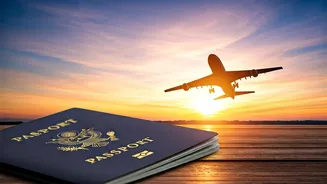

What is Passport Strength?
Passport strength refers to the degree of freedom a passport grants its holder to travel internationally. It's essentially a measure of how many countries
a passport holder can access without a pre-obtained visa or with a visa-on-arrival. Various factors contribute to a passport's strength. These include a country's diplomatic relationships, economic influence, and its citizens' reputation abroad. A strong passport generally signifies a country with positive international relations and often grants its citizens easier access to various destinations. The passport's power is thus a reflection of its nation's global standing and its citizens' ability to cross borders with minimal bureaucratic hurdles. This strength can be a significant advantage for business travelers, tourists, and individuals seeking global opportunities.
Ranking Criteria Explained
Passport rankings are typically determined based on the number of countries a passport holder can visit visa-free or with a visa-on-arrival. These rankings are compiled by different organizations, and the methodology can vary slightly. Often, data is gathered from various sources, including official government websites and international travel databases. Besides visa-free access, other criteria can include the quality of life, the country's economic stability, and the freedom of movement within the country. These factors may indirectly influence a passport's perceived desirability. The rankings change frequently, influenced by evolving visa policies, political dynamics, and international agreements. This can cause significant shifts in rankings, which means constant monitoring is crucial for travelers.
Top Passports Globally
Several countries consistently rank among the top in passport strength. These typically include nations with robust economies, strong international ties, and positive reputations. Countries such as Japan, Singapore, and various European nations regularly hold top positions, offering visa-free or visa-on-arrival access to a vast number of countries. These passports reflect their nations' strong diplomatic presence, and their citizens often enjoy considerable travel flexibility. These citizens can explore a variety of destinations without extensive visa procedures, simplifying travel planning and enhancing global mobility. The strength of these passports is an indicator of the country's global influence and its citizens' ability to participate in international activities seamlessly.
Impacts on Travel Experience
Passport strength significantly impacts a traveler's experience, influencing travel planning, cost, and opportunities. Holders of strong passports enjoy easier access to a wider range of countries, eliminating or simplifying visa applications. This reduces the administrative burden of travel preparation, offering a more convenient experience. Conversely, those with weaker passports face more complex processes, often involving lengthy visa applications, interviews, and potential rejections. This disparity can affect travel choices, limiting access to certain destinations and increasing costs due to visa fees and related expenses. This differential access can impact personal, professional, and educational opportunities, creating disparities in global mobility and access to international experiences.
Changing Rankings Over Time
Passport rankings are not static; they shift constantly in response to global events, political decisions, and evolving diplomatic relationships. Visa policies frequently change, influenced by international agreements, security concerns, and reciprocity agreements between countries. A positive shift in diplomatic relations can result in a country gaining visa-free access to another, strengthening its passport. Conversely, strained relations or heightened security measures can lead to the introduction of visa requirements, weakening a passport's standing. Economic factors also play a part, with stable economies often attracting more favorable visa policies. These dynamics underscore the need for travelers to stay informed about current passport rankings and any related changes that may affect their travel plans.