




Litti Chokha's Rise
Originating from the villages of Bihar and eastern Uttar Pradesh, Litti Chokha was a staple for farmers and labourers. This humble dish, featuring wheat
balls filled with sattu and accompanied by mashed eggplant or potatoes roasted over open fires, provided simple nourishment and a distinct smoky flavour. Today, it graces the menus of metropolitan restaurants, often enriched with ghee and presented on elegant platters. The authentic smokiness, once a byproduct of wood fires, is now artfully marketed as an artisanal characteristic, offering diners an authentic taste experience that belies its frugal origins.
Dal Makhani's Transformation
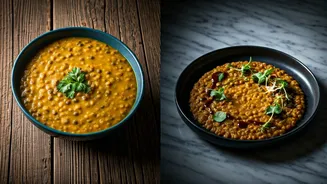
Once a modest but protein-rich meal for hardworking families in rural North India, Dal Makhani was prepared by slow-cooking whole urad dal and rajma overnight. Its evolution into a culinary icon occurred in Delhi's restaurant scene, where generous additions of butter and cream turned it into a luxurious comfort food. Currently, it's a near-essential item in North Indian restaurants, often highlighted for its '12-hour slow-cooked' process, signifying a significant departure from its economical beginnings and becoming a symbol of indulgence.
Khichdi's New Avatar
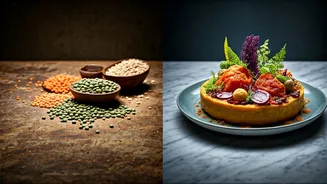
For many years, khichdi was unfairly labelled as 'food for the sick', a simple and comforting concoction of rice and lentils seasoned with turmeric and salt. However, in the current wellness-focused era, it has been reinvented as a 'detox meal' and a 'one-pot nutrition bowl'. Upscale establishments now elevate this humble dish with ingredients like truffle oil and exotic vegetables, often drizzled with ghee, and served at prices that contrast sharply with its origins in households where it was a basic necessity.
Ragi Mudde's Rebranding
In Karnataka, ragi mudde once served as a primary energy source for labourers and farmers, valued for its affordability, satiety, and nutritional benefits as a daily staple. With the resurgence of interest in millets and climate-resilient crops, ragi has been repositioned as a 'supergrain'. Urban cafes now champion ragi-based dishes as healthy, calcium-rich, and gluten-free alternatives, establishing a formerly unassuming staple at the forefront of India's burgeoning health food movement.
Sarson Saag's Upgrade
A quintessential winter dish in Punjabi homes, Sarson ka Saag served with Makki ki Roti was traditionally a seasonal, home-cooked meal prepared from fresh mustard greens and hand-rolled corn flatbread. Today, high-end restaurants showcase it as a premium offering, adorned with substantial portions of white butter and presented to evoke a sense of rustic charm. Its inherent simplicity, once a given, has now become its most compelling attribute, making it a sought-after delicacy.
Pakhala Bhata's Celebration
In Odisha, Pakhala Bhata, a dish of leftover rice steeped in water and lightly fermented, was a practical method to cope with the summer heat. It did not require refrigeration and relied on traditional practices. With the increasing recognition of probiotics and gut health benefits, this dish is now lauded as a fermented rice bowl brimming with natural advantages. What was once a survival necessity has transformed into a subject of nutritional discourse and appreciation.
Misal Pav's Sophistication
Misal Pav originated as an economical and spicy breakfast option for the working class and students in Maharashtra. This flavorful dish, featuring sprouted lentils in a fiery gravy topped with farsan and served with pav, provided a hearty meal. Currently, it is marketed with regional branding such as Kolhapuri and Puneri, offering curated 'spice level experiences' and gourmet adaptations that redefine its identity in contemporary culinary circles.
Kanji Vada's Revival
Prepared during festive occasions in certain parts of North India, Kanji Vada comprised lentil dumplings immersed in fermented mustard water. This was a seasonal delicacy that could be stored without needing refrigeration. Amidst the contemporary interest in fermented foods, the dish has resurfaced at food festivals and curated dining events, receiving acclaim for its probiotic properties and unique flavour profile.
Bajra Roti's Prominence
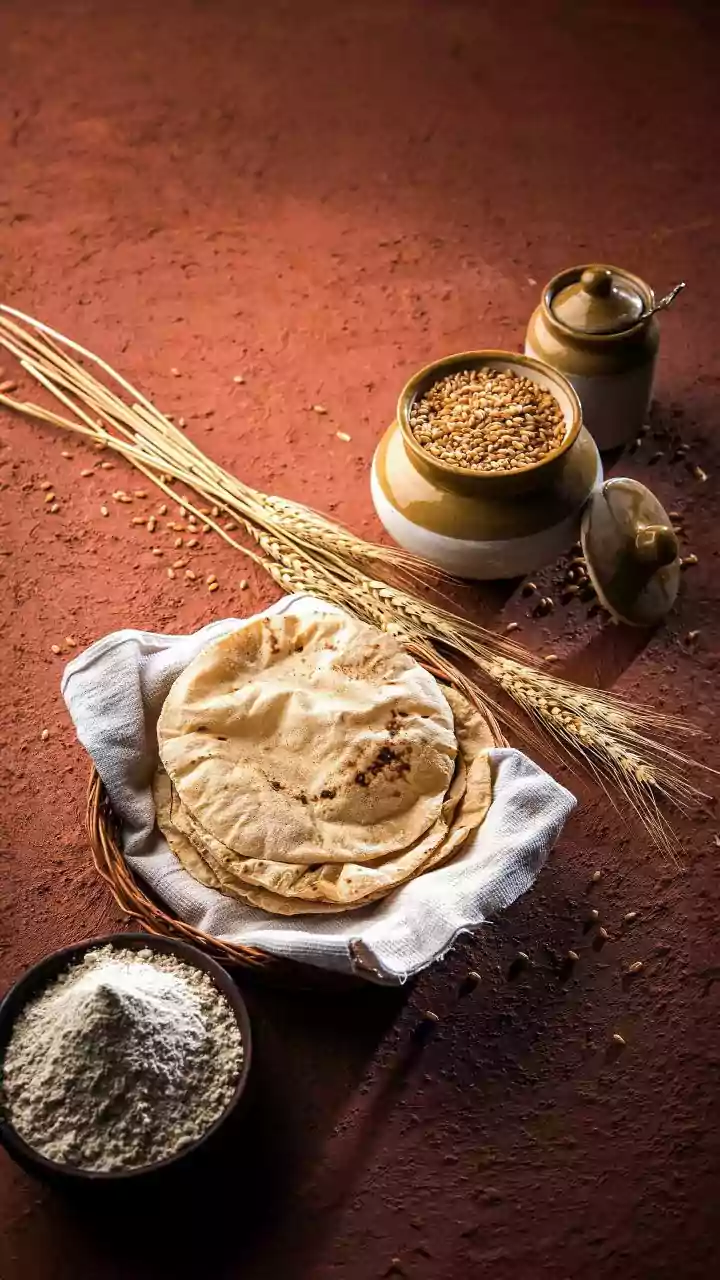
In the arid regions of Rajasthan and Gujarat, bajra roti was a daily staple, made from a hardy grain requiring minimal water and typically paired with simple accompaniments like chutneys and vegetables. As discussions around sustainability and climate-resilient agriculture gain traction, bajra has earned a prominent place on upscale millet-focused menus. This grain, once a symbol of survival in dry terrains, is now promoted as a conscious and nutritionally rich food choice.