




Understanding 'Khiru'
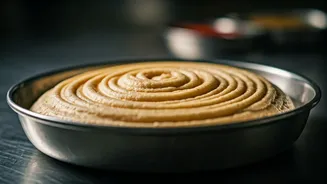
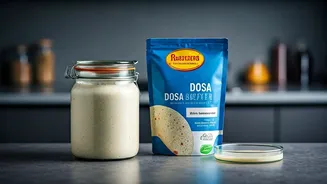
In many Indian households, fermented delights like dosa batter are staples. The process of soaking, grinding, and fermenting rice and lentils relies heavily
on timing, ambient temperature, and storage. When executed correctly, fermentation enhances flavor, texture, and digestibility. However, improper handling or prolonged exposure can lead to spoilage. The term 'khiru' is sometimes used to describe dosa batter that has soured or deteriorated undesirably during this fermentation process. Initially, these changes might not be obvious, but over time, the batter can develop an off-putting odor, an unusual consistency, or even harbor harmful microorganisms. Recognizing 'khiru' and its early indicators is vital for preventing foodborne illnesses and avoiding waste.
What 'Khiru' Means
'Khiru' is a regional term that signifies dosa batter has spoiled or undergone excessive fermentation. This means the batter has fermented beyond its optimal stage and is now compromised due to the proliferation of undesirable bacteria or fungi. While beneficial lactic acid bacteria are responsible for the rise and characteristic tang of properly fermented batter, prolonged fermentation, especially in warm and humid conditions, can foster the growth of harmful microbes. This advanced stage of spoilage is what 'khiru' refers to. Batter in this state is no longer suitable for cooking as it will have an unpleasant smell, taste, and pose health risks.
Causes of Spoilage
Several factors contribute to dosa batter turning into 'khiru'. Over-fermentation due to extended resting periods is a primary culprit, leading to an overly sharp sourness and breakdown of the batter's structure. High temperatures and humidity accelerate the fermentation process significantly; if batter isn't refrigerated promptly, it can spoil much faster, particularly in hot weather. Inadequate storage conditions, such as using unclean containers or leaving batter uncovered, invite unwanted microbes that hasten spoilage. Furthermore, cross-contamination, often from using damp utensils or mixing fresh batter with an old, potentially spoiled batch, can also accelerate the deterioration process, turning good batter into 'khiru'.
Spotting Early Signs
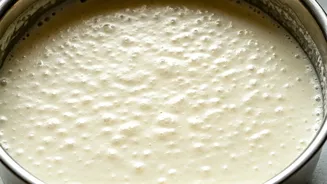
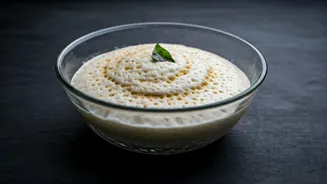
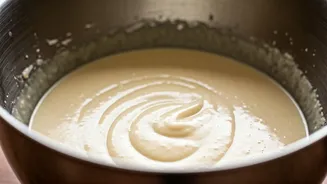
Identifying 'khiru' requires paying attention to sensory cues. A slight sourness is normal in well-fermented batter, but an intensely pungent, foul, or sharp odor is a definitive sign of spoilage. The batter's texture can also change drastically; instead of its usual smooth, slightly airy consistency, spoiled batter might become excessively watery, unpleasantly thick, or develop noticeable lumps. Visual changes are equally important. The appearance of unusual colors, particularly black, green, or gray spots, indicates mold growth, rendering the batter unsafe for consumption. While a subtle sour taste is desirable, an overwhelmingly sour or bitter flavor suggests the batter has gone bad. Finally, an excessive number of gas bubbles or a very clear watery separation on top can signal that fermentation has progressed too far, potentially leading to 'khiru'.
Health Risks
Consuming dosa batter that has turned into 'khiru' can lead to significant health issues. The harmful bacteria and fungi that proliferate in spoiled batter can produce toxins. Ingesting these toxins can result in symptoms such as nausea, vomiting, diarrhea, and abdominal pain. Both the Food Safety and Standards Authority of India (FSSAI) and the World Health Organization (WHO) strongly emphasize the critical importance of proper storage and avoiding the consumption of spoiled fermented foods to prevent such illnesses and safeguard public health.
Prevention Strategies
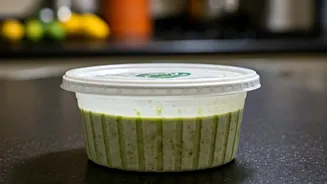
Preventing dosa batter from becoming 'khiru' involves several key practices. Refrigerating the batter promptly after it has achieved the desired fermentation stage is crucial for slowing down the process. Always use clean and completely dry utensils and containers to avoid introducing contaminants. Ensure the batter container is tightly covered to minimize exposure to air and airborne germs. It's also advisable not to mix old batter with a new batch, as this can accelerate spoilage and diminish the quality of the fresh batter. Vigilantly monitoring fermentation time is important; in warm climates, batter can ferment in as little as 6 to 8 hours, so keeping track can prevent over-fermentation.
When to Discard
If your dosa batter exhibits a foul smell, shows signs of mold growth, or has an uncharacteristic color, it is best to discard it immediately. Even if only a small portion of the batter appears affected, contamination may have already spread throughout the entire batch. Regularly checking your batter for these indicators before cooking is a simple yet effective way to reduce the risk of foodborne illness and ensure that your culinary creations are both safe and delicious. While fermentation is a time-honored culinary technique that enhances food's taste and nutritional value, it requires diligent attention to maintain its integrity and safety.