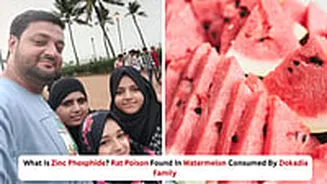









The Mumbai Mystery
Recent heartbreaking events in Mumbai's Paydhuni area have thrust a dangerous chemical, zinc phosphide, into the public consciousness. The untimely deaths
of four members of the Dokadia family have investigators deeply engaged, especially after forensic analysis revealed traces of this highly toxic substance in their bodies and, alarmingly, within a watermelon they had consumed. This discovery has prompted a thorough investigation into how the poison infiltrated the fruit, with authorities exploring possibilities ranging from accidental contamination to deliberate acts of poisoning, suicide, or even homicide. The forensic science laboratory's meticulous examination, spanning 54 tests over 11 days, confirmed the presence of zinc phosphide, deepening the mystery and concern surrounding this incident. The investigation is critically examining all avenues, including the potential for contamination from rat poison stored by vendors to protect produce from pests.
Understanding Zinc Phosphide
Zinc phosphide is a potent dark grey chemical compound predominantly utilized as a rodenticide, designed to eradicate rats and mice. Its dangerous mechanism lies in its reaction with stomach acid. Upon ingestion, it interacts with hydrochloric acid in the digestive system to generate phosphine gas, an extremely poisonous vapor. This gas is capable of inflicting rapid and severe damage to vital internal organs. Medical professionals emphasize that phosphine gas can affect nearly every major organ system, including the cardiovascular, respiratory, hepatic, renal, and central nervous systems. Even minute quantities of zinc phosphide can lead to life-threatening poisoning, necessitating immediate and urgent medical intervention.
Accidental Ingestion Effects
When individuals accidentally ingest zinc phosphide, the initial symptoms can be misleading, often mimicking common food poisoning, which can unfortunately delay critical treatment. Once the chemical enters the stomach, the formation of toxic phosphine gas commences almost instantly. The onset of symptoms can vary from mere minutes to several hours, contingent upon the quantity consumed. Early indicators frequently include nausea, vomiting, intense abdominal pain, a burning sensation in the chest or abdomen, diarrhea, dizziness, profound weakness, and significant difficulty in breathing. As the poisoning progresses, it can escalate to dangerously low blood pressure, irregular heart rhythms, shock, failure of the liver and kidneys, seizures, coma, and ultimately, multi-organ failure. In severe cases, death can regrettably occur within a matter of hours.
Adult vs. Child Vulnerability
The impact of zinc phosphide consumption on adults is largely dictated by the volume ingested, the poison's concentration, and the promptness of medical care. Experts suggest that typical rat poison formulations contain approximately 50% toxic content, mixed with other substances. Consequently, a fatal dose for an adult usually necessitates the consumption of multiple packets. Adults may initially experience severe vomiting and diarrhea, followed by complications affecting the heart, lungs, and other organs. A particularly concerning aspect is that some patients might appear stable initially, only to experience a sudden and rapid decline hours later due to internal organ damage. For infants and toddlers, zinc phosphide is exceptionally perilous. Due to their significantly lower body weight, even minuscule amounts can be fatal, allowing the toxin to spread rapidly and trigger severe complications much faster than in adults. Symptoms in children can include incessant vomiting, extreme irritability or excessive crying, lethargy, breathing distress, convulsions, loss of consciousness, and bluish discoloration of lips or skin from oxygen deprivation. Paediatric toxicologists warn that children can deteriorate with alarming speed post-ingestion, demanding immediate emergency care.
Treatment and Prevention
Currently, there is no specific antidote available to counteract zinc phosphide poisoning. Medical treatment primarily revolves around providing aggressive supportive care and taking measures to prevent further organ damage. Healthcare professionals focus on stabilizing respiratory and cardiac functions, and if detected early, attempting to remove any remaining poison from the stomach. This includes administering oxygen, managing shock and dehydration, closely monitoring heart rhythm and organ function, and treating any seizures or related complications. Patients often require admission to an intensive care unit for continuous monitoring. Medical experts strongly emphasize that seeking immediate hospital treatment dramatically enhances the chances of survival. Delays in receiving care are critically dangerous, as the phosphine gas operates with rapid efficacy within the body. Regarding the Mumbai incident, preliminary reports suggest the Dokadia family members experienced vomiting post-consumption. Despite initial medical attention and subsequent hospitalization, all four succumbed to suspected rat poison ingestion. The ongoing police investigation is crucial to ascertain how the poison entered the watermelon and whether the contamination was accidental or intentional, underscoring the vital need for stringent food safety measures and awareness regarding the handling and storage of toxic substances.