


Flavorful Brine Revealed
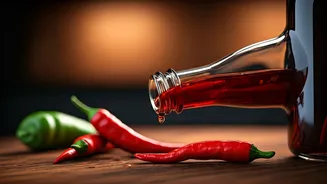
The liquid left behind after pickling chiles, often unceremoniously poured down the drain, is far more than mere brine; it's a potent flavor enhancer.
This versatile mixture inherently contains the key elements of a well-balanced condiment: acidity, saltiness, and a spicy kick. Instead of discarding this valuable resource, savvy home cooks can harness its power to quickly imbue dishes with layers of taste and complexity. It serves as a readily available shortcut, offering an instant boost of flavor that would otherwise require multiple steps and ingredients to achieve. Embracing this underutilized ingredient means maximizing the flavor potential of items already purchased, making it an economical and efficient culinary practice that significantly elevates everyday meals without added effort.
Global Culinary Traditions
The practice of using chile-infused vinegars as a flavor-boosting condiment spans various global cuisines, demonstrating its universal appeal and effectiveness. In Thai cooking, 'prik nam som' features smashed Thai chiles steeped in white vinegar, delivering a sharp, spicy profile. The Philippines commonly utilizes fermented sugarcane vinegar infused with chiles, a staple found in many households. Meanwhile, the American South has its own tradition of hot pepper vinegar, frequently used to liven up hearty greens like collard. These preparations universally serve to introduce a vibrant acidity and heat, adept at cutting through rich, fatty foods or providing a wake-up call to simpler dishes. While not always served solo, the underlying principle of utilizing this flavorful liquid for its taste-enhancing properties is consistent across these culinary landscapes, highlighting its inherent value in balancing and intensifying flavors.
Finishing Touch Ace
One of the most straightforward yet impactful ways to utilize pickled chile vinegar is as a finishing acid, akin to a flavor-boosting flourish at the end of cooking. Imagine drizzling a small amount over grilled fish, roasted meats, or vibrant roasted vegetables. It can also bring a delightful tang to sandwiches and wraps. In scenarios where you might typically reach for a squeeze of lemon, lime, or a splash of regular vinegar to brighten a dish, this infused liquid offers a more comprehensive seasoning solution. Since it already brings salt and a touch of heat, it acts as a multi-tasking flavor enhancer, providing immediate brightness without the need for additional salt or spice adjustments. This quick application is perfect for dishes that might taste a bit flat, offering an instant lift and depth that transforms the overall eating experience with minimal fuss.
Marinades Made Easy
Pickled chile vinegar also proves exceptionally useful as a key component in marinades, lending both tenderizing properties and a unique flavor profile to meats. The inherent acidity in the vinegar works to lower the pH levels, effectively beginning the process of denaturing proteins, which helps to tenderize tougher cuts of meat. Simultaneously, it infuses the meat with its characteristic spicy and tangy notes. For instance, it can be incorporated into recipes for fried chicken wings, imparting a subtle yet distinct flavor and heat. However, it's worth noting that while acidic marinades are effective for tenderizing, they can sometimes hinder the development of a deeply browned crust during cooking. This is because the Maillard reaction, responsible for browning and rich flavor development, functions optimally in less acidic environments. To achieve a desirable sear, it's beneficial to thoroughly pat the surface of the marinated meat dry before introducing it to heat.