



The Spice's Power
Spices, with their concentrated flavors, possess the remarkable ability to transform any meal. A sprinkle here, a pinch there—each ingredient contributes
significantly. It is important to know the right amount. Overdoing spices, however, can swiftly lead to an imbalanced and unpleasant taste. The key to successful seasoning lies in a light touch, adding a little at a time and tasting as you go. This approach allows you to build flavor gradually, ensuring you don't overwhelm the other ingredients. Taste frequently and adjust accordingly to achieve the desired effect. Start with smaller quantities, and gradually increase as needed, observing how the flavors meld together. Patience and a mindful approach are your best allies in the kitchen.
Taste and Adjust
Taste is essential to the art of seasoning. Tasting frequently while cooking is one of the most important things to do, because it allows you to evaluate the current flavor and identify what adjustments are needed. Make a habit of tasting at every stage of the cooking process. Before adding additional spices, take a small taste to see what is missing. A simple taste test can instantly clarify whether more spice is necessary. When you taste, pay close attention to the balance of flavors. Is the dish too salty, too spicy, or does it lack a particular note? Adjusting the seasoning to balance flavors involves adding ingredients in small increments and tasting until the dish is perfect. This careful approach helps you avoid over-seasoning, which can be difficult to fix once it happens. Taste, assess, and adapt is your mantra for superior results.
Spice Blending Wisdom
Understanding how various spices interact with each other is very important. Some spices complement each other, forming harmonious flavor profiles, while others can clash if used in excess. Consider the individual qualities of each spice. For example, a dash of cumin can enhance warmth, while a pinch of chili powder can add a spicy kick. The art is in the layering. Begin with base spices, allowing them to infuse the dish, and then carefully add more complex ones. Using whole spices like peppercorns, rather than pre-ground ones, can improve the depth of flavor. In preparing your own spice mixtures, consider a balance of warm spices (such as cinnamon, cardamom) with fragrant ones (such as coriander, dill) to create interesting dishes. Experimenting with spice blends can lead to wonderful culinary discoveries.
Storage and Freshness
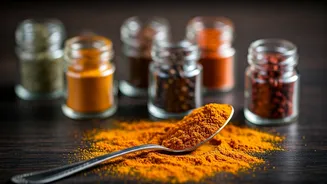
Proper spice storage is necessary for maintaining their flavor and potency. Spices and herbs, which are sensitive to light, air, humidity, and heat, should be stored properly to maintain their freshness. An air-tight container will protect them from these elements, preserving both their flavors and the quality. Spices can lose their intensity and aroma over time, so it's a good idea to refresh your spice collection. Old spices may not add any flavor. To determine whether a spice is still viable, give it a sniff and rub a bit between your fingers. If the aroma is weak, it is better to replace it with a fresh one. Storing spices in a cool, dark place will maximize their shelf life. Regularly check and update your spices for enhanced culinary results.