






The Biology of Cravings
Late-night hunger is often a complex interplay of biological signals and behavioral patterns. As the clock ticks past your usual bedtime, your body's hormonal
balance shifts; ghrelin, the hormone that signals hunger, tends to rise, while leptin, which indicates fullness, decreases. This biological predisposition is further exacerbated by fatigue and stress, both of which can weaken impulse control, making the allure of high-calorie, sugary, and fatty foods incredibly strong. Your brain, instead of winding down for rest, becomes more attuned to its reward pathways, actively seeking out quick sources of comfort and energy, which is counterproductive to preparing for sleep and recovery.
Brain's Sleep Cycle Disruption
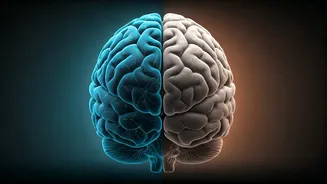
Consuming food close to bedtime essentially keeps your brain operating in a 'day mode,' diverting its resources towards digestion rather than initiating its essential nocturnal repair and consolidation processes. This interference directly disrupts the production of melatonin, the vital hormone that regulates the onset of sleep. Consequently, your body's internal clock becomes confused, leading to inflammation and a fragmented sleep pattern. As noted by health experts, this consistent disruption prevents the brain from entering its natural restorative cycle, which is crucial for maintaining optimal focus, solidifying memories, and regulating emotions effectively over time.
Cognitive Performance Decline
The quality of deep sleep and REM sleep is paramount for learning, memory consolidation, and emotional well-being. Late-night snacking significantly compromises these critical sleep stages. When sleep quality deteriorates due to nocturnal eating, the brain's ability to clear out waste products is hindered, mirroring the effects of mild sleep deprivation. This leads to noticeable impairments the following day, such as feeling mentally foggy, increased irritability, a reduced ability to concentrate, slower reaction times, and compromised decision-making capabilities. While not an immediate, irreversible damage, this repeated disruption of the brain's natural cycles can lead to a cumulative decline in overall cognitive efficiency.
Problematic Evening Foods
Highly processed snacks represent the most detrimental category of food for nighttime consumption. Items laden with sugar, deep-fried treats, fast food, and sugary beverages trigger rapid fluctuations in blood sugar levels. These spikes and subsequent crashes intensely stimulate the brain's reward centers, disrupting the delicate balance needed for sleep. Sugar, in particular, directly interferes with sleep continuity by causing glucose rollercoasters, while fried foods demand a longer digestive effort, keeping both the gastrointestinal system and the brain actively engaged when they should be quiescent. The combined effect is a significant reduction in both the quality and the duration of restorative sleep.
Sleep-Friendly Snack Choices
Fortunately, not all late-night eating is detrimental, especially when genuine hunger, rather than emotional eating, is the driving force. Opting for small portions of specific foods can actually support sleep. Items like bananas, plain yogurts, a glass of warm milk, a few soaked almonds, or a modest handful of mixed nuts are beneficial. These foods are typically rich in sleep-promoting nutrients such as magnesium and tryptophan, and also contain healthy fats. Such components can help to calm the nervous system and facilitate melatonin production, promoting a more peaceful transition to sleep without over-stimulating the brain or digestive processes.
The Importance of Timing
Beyond the choice of food, the timing of your meals plays an equally crucial role in how well you sleep and how sharp you are the next day. Leading health experts consistently emphasize the benefit of establishing a consistent meal routine. Ideally, your last substantial meal should be consumed at least two to three hours before you plan to go to bed. This allows ample time for your digestive system to process the food, signaling to your brain that it's time to wind down and prepare for rest. While even healthy foods consumed too close to bedtime can interfere with sleep, maintaining consistency in both meal times and sleep schedules is vital for aligning your brain's functions with its natural circadian rhythms.