






The Pink Salt Fad
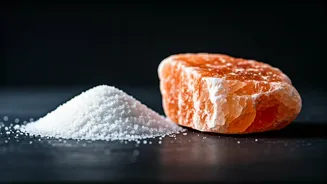
In India's growing health-conscious landscape, a notable shift has occurred as many individuals are moving away from standard white table salt towards
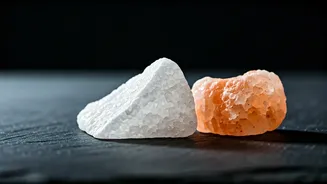
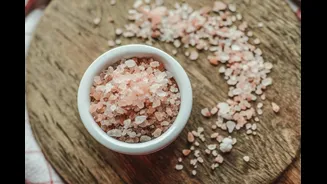
its pink Himalayan counterpart. This trend is fueled by the perception that pink salt offers superior nutritional value and health benefits. However, fitness professionals are sounding a note of caution, suggesting that this widespread adoption might stem more from clever marketing than from a scientifically backed understanding of the two salts. The shift is not merely about changing dietary habits; it's about potentially overlooking a vital nutrient that has long been incorporated into regular salt for public health reasons, leading to concerns about re-emerging deficiencies that were once largely controlled.
Mineral Myth Busting
The allure of pink salt often lies in its rich mineral content, with claims suggesting it provides a spectrum of beneficial trace minerals. Fitness coach Ralston D’Souza debunks this notion, explaining that while pink salt does contain trace minerals, the quantities present in a typical serving are so minuscule that they offer negligible health advantages. To obtain any significant mineral intake from pink salt, one would need to consume an impractically large and unhealthy amount. D’Souza argues that this perception is largely a marketing strategy designed to make the product seem more valuable. Consequently, consumers end up paying a premium for their salt while potentially missing out on a crucial element present in regular table salt, which is iodine.
The Iodine Imperative
Regular white table salt, commonly used in households, is deliberately iodised to combat iodine deficiency, a significant public health issue that plagued India in the past. In the 1960s, widespread iodine deficiency led to serious health problems, including thyroid dysfunction, complications during pregnancy, and developmental issues in children. The introduction of iodised salt acted as a powerful preventative measure, safeguarding the population against these ailments. The resurgence of pink salt usage, which is often non-iodised, poses a renewed threat of iodine deficiency. This lack of iodine can significantly increase the risk of thyroid-related disorders, highlighting the critical role that iodised salt plays in maintaining public health and well-being, especially in preventing conditions linked to thyroid function.
Balanced Choice
While excessive consumption of any type of salt is detrimental to health, regular iodised table salt remains a practical and beneficial choice when consumed in moderation. It offers an affordable, easily accessible, and nutritionally sound alternative to its pink counterpart. The mandate for iodisation, implemented decades ago, was a crucial public health initiative that provided a shield against various health challenges, particularly those related to the thyroid. Therefore, prioritising iodised salt ensures a consistent intake of this essential mineral, supporting overall health and mitigating the risks associated with deficiency, without the need for expensive or impractical alternatives.